




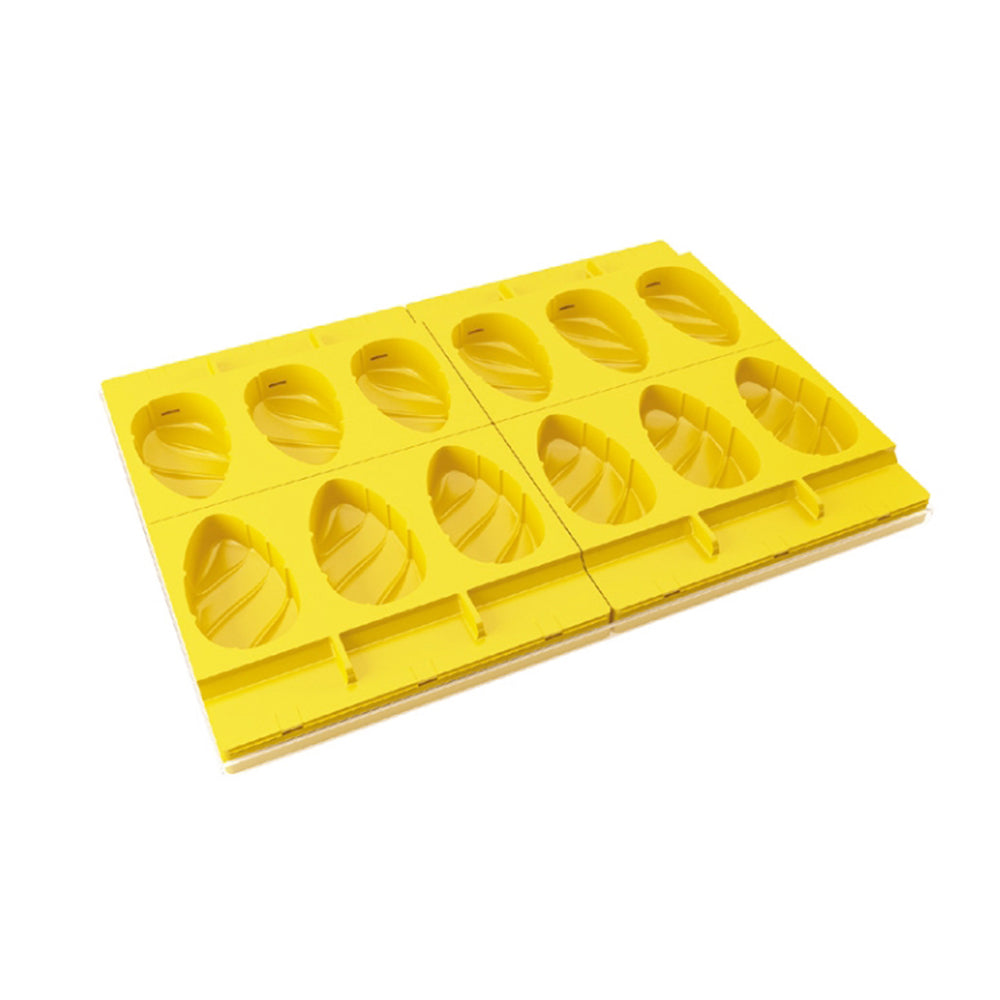
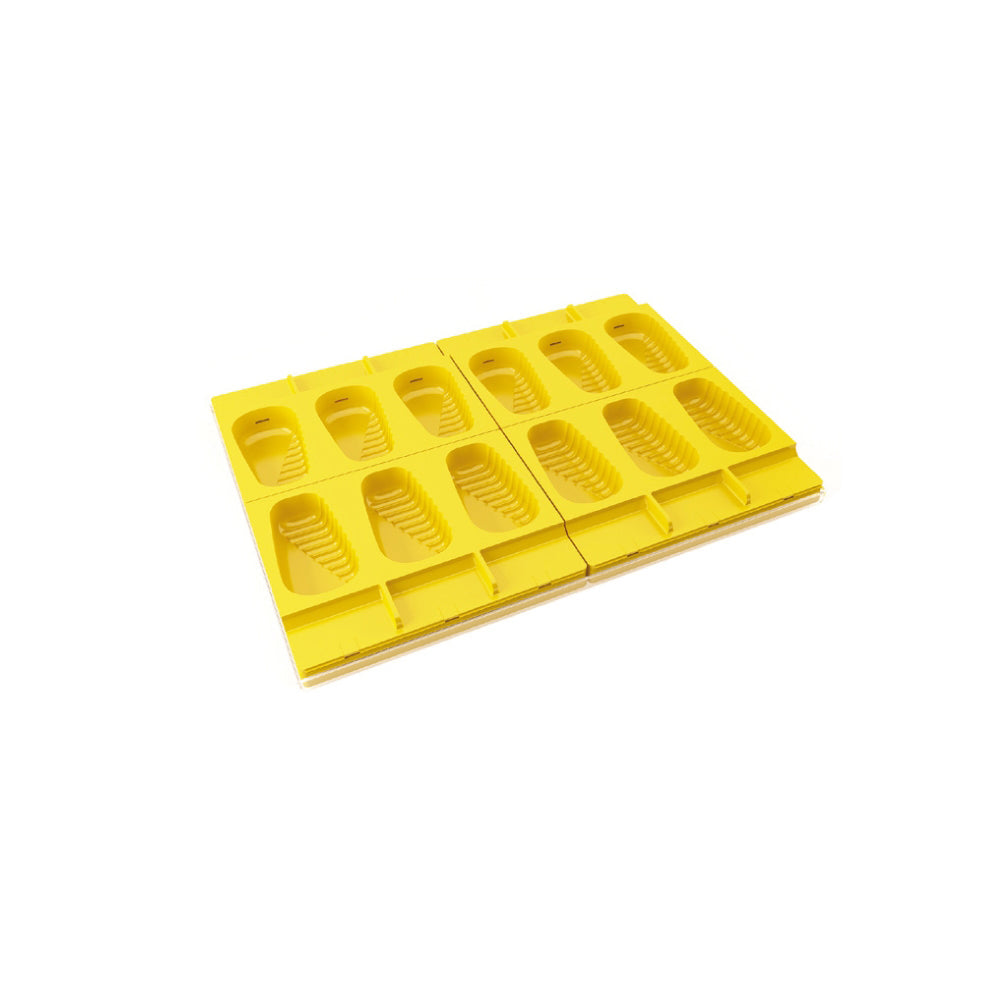
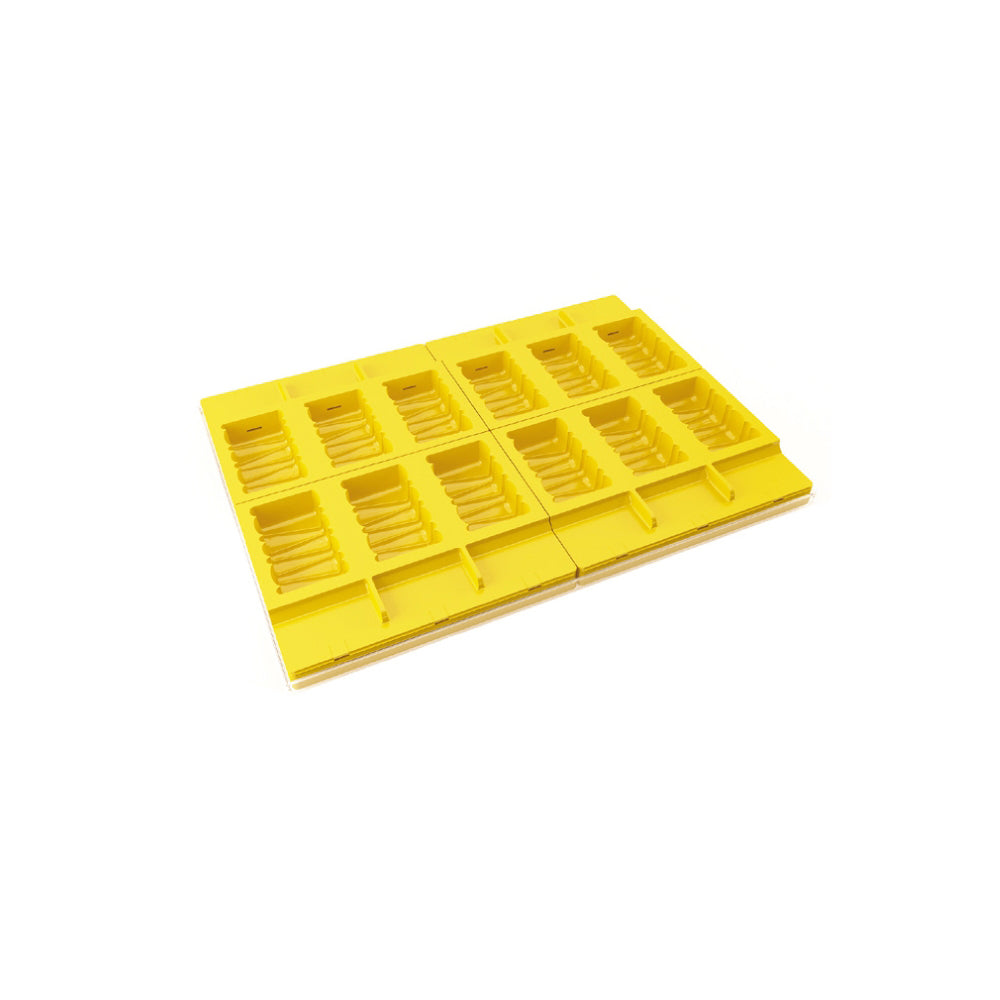
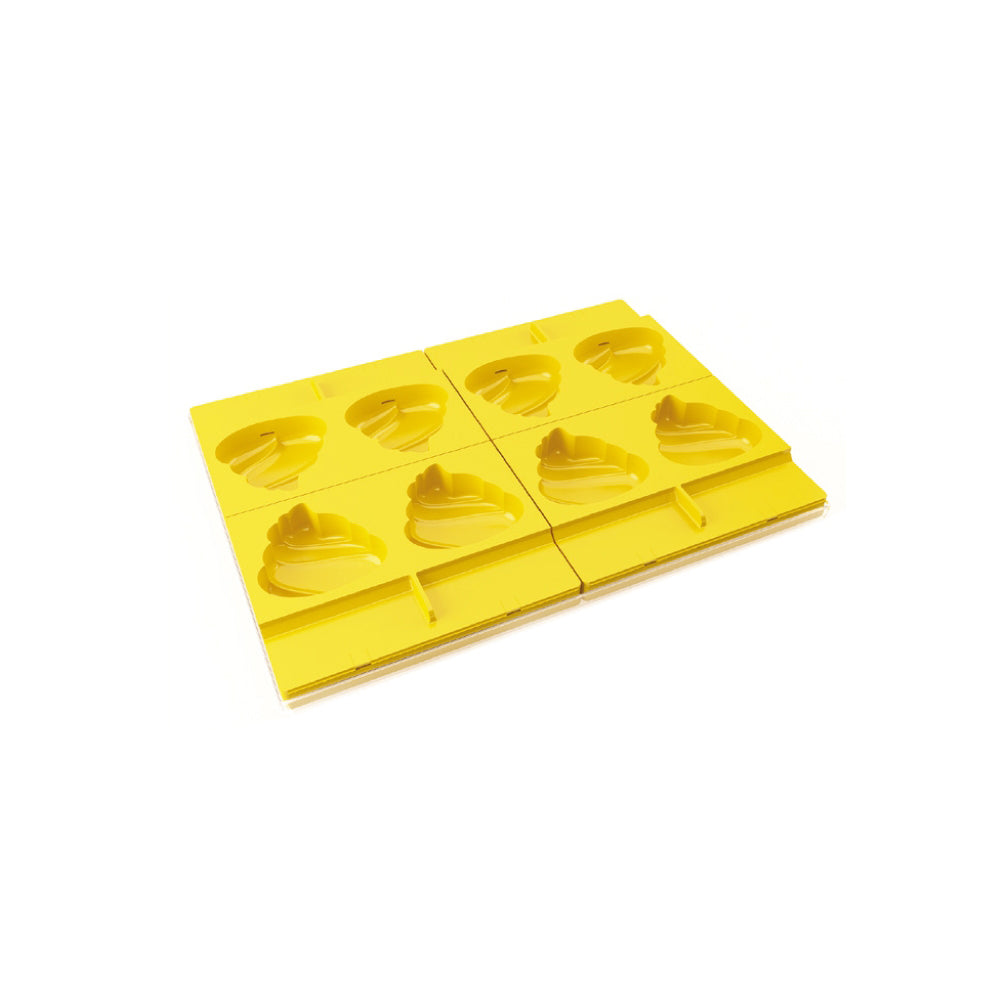
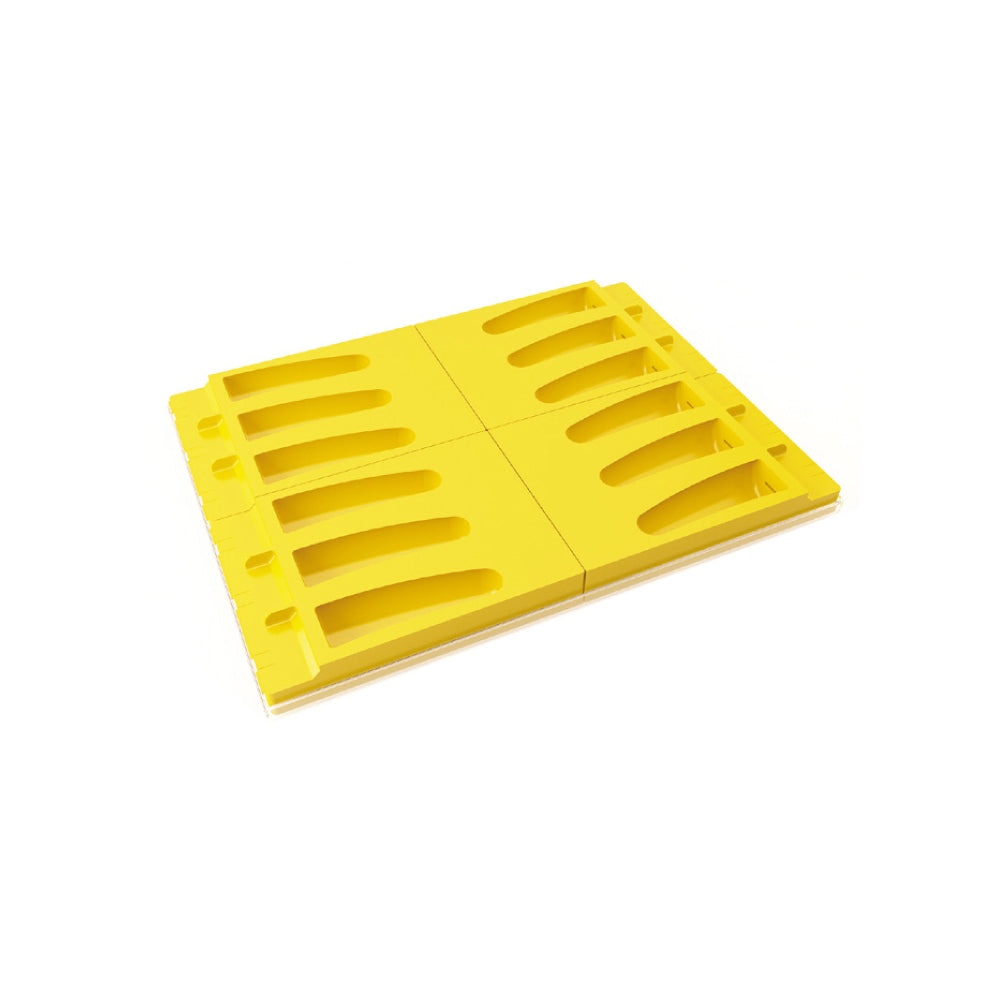
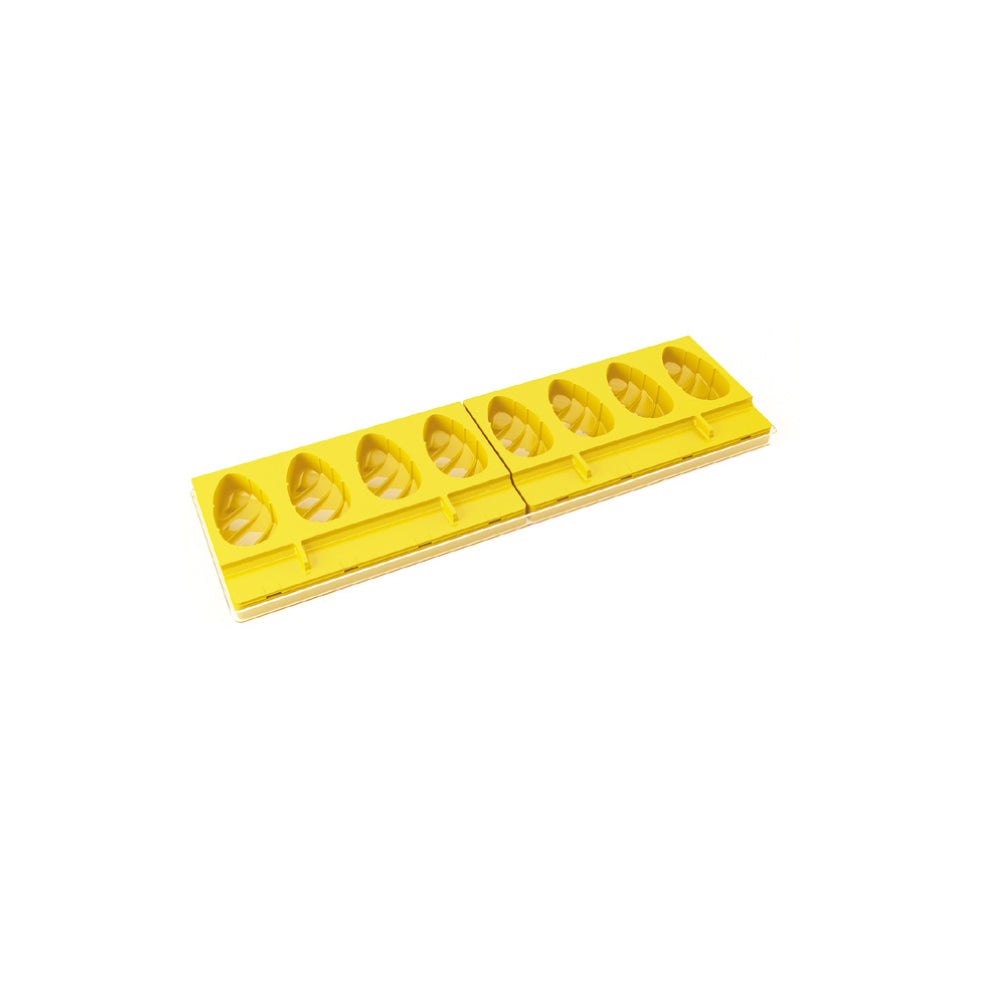
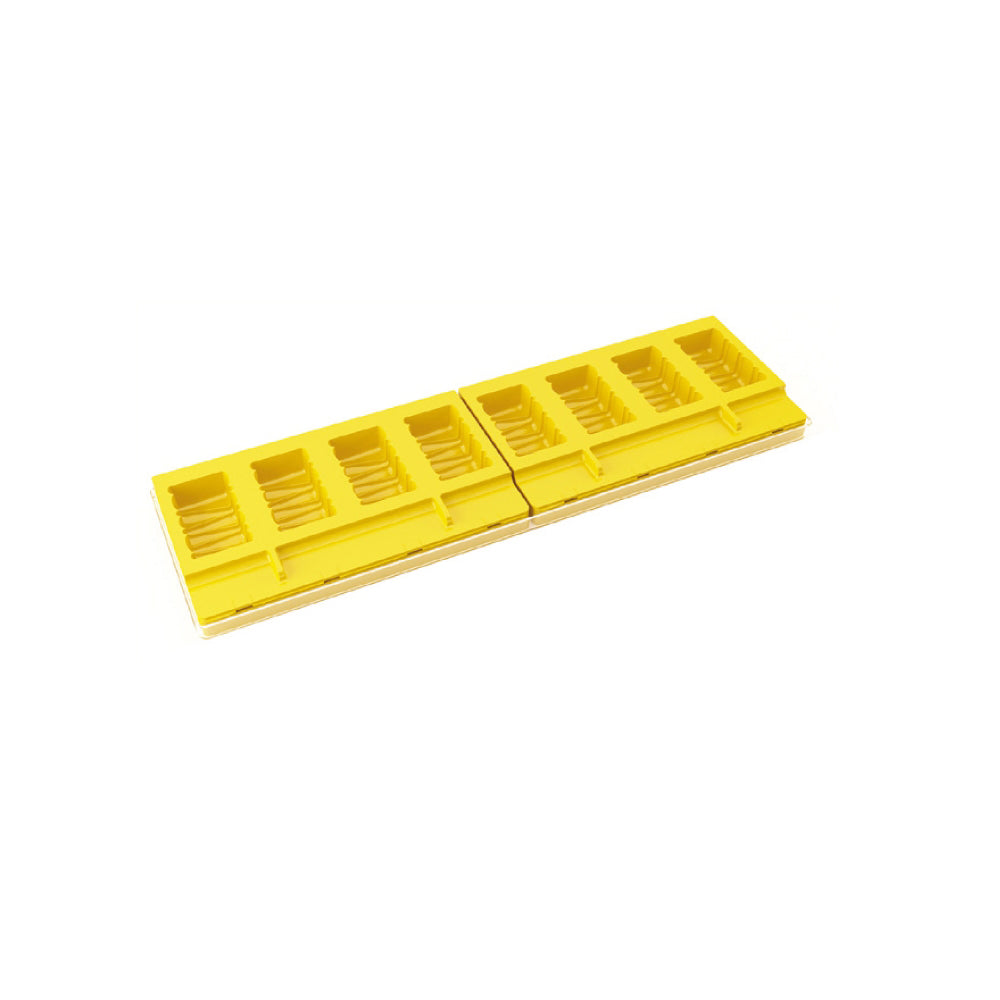
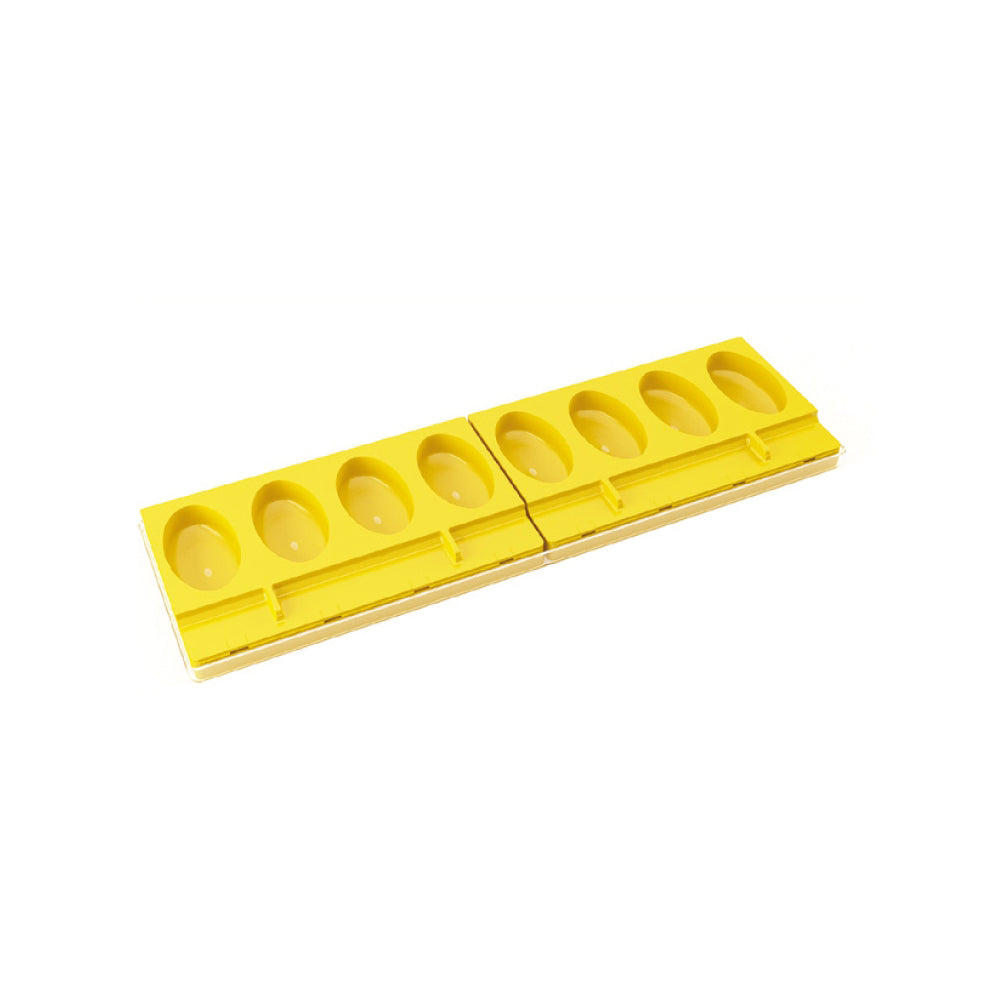
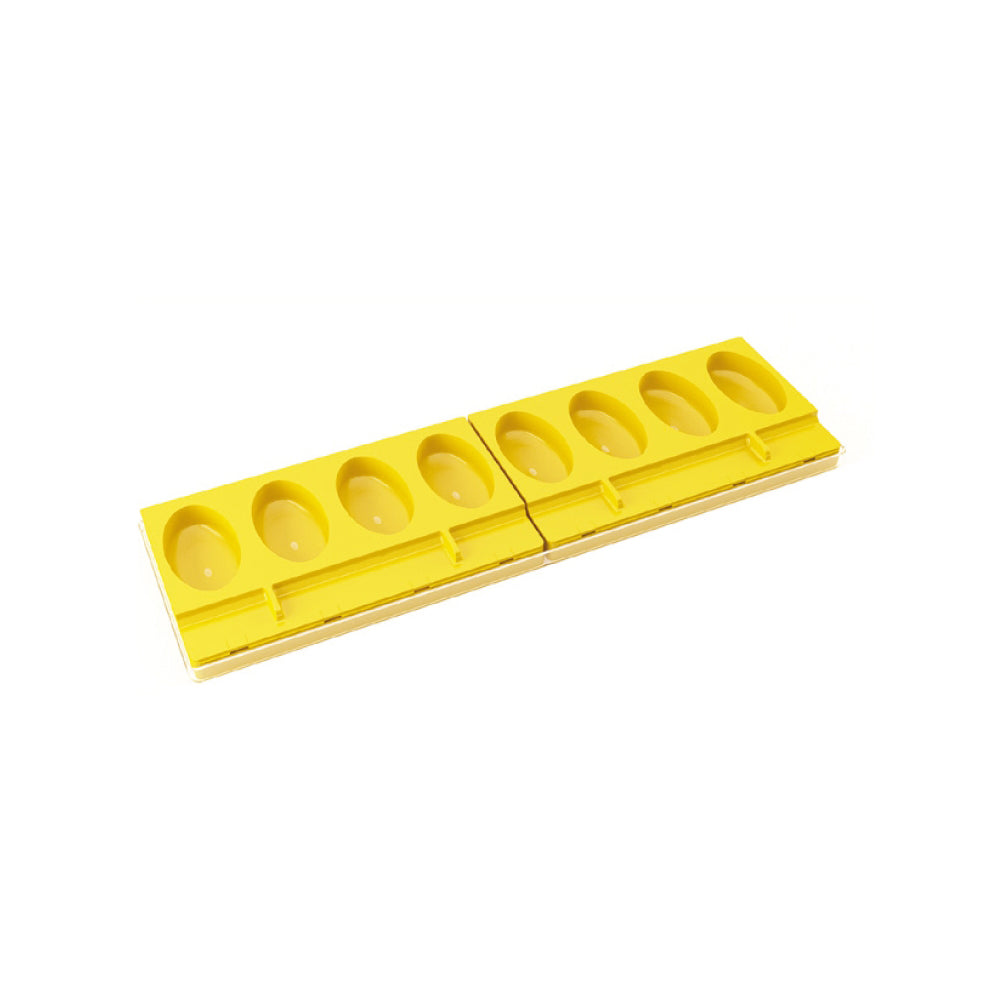
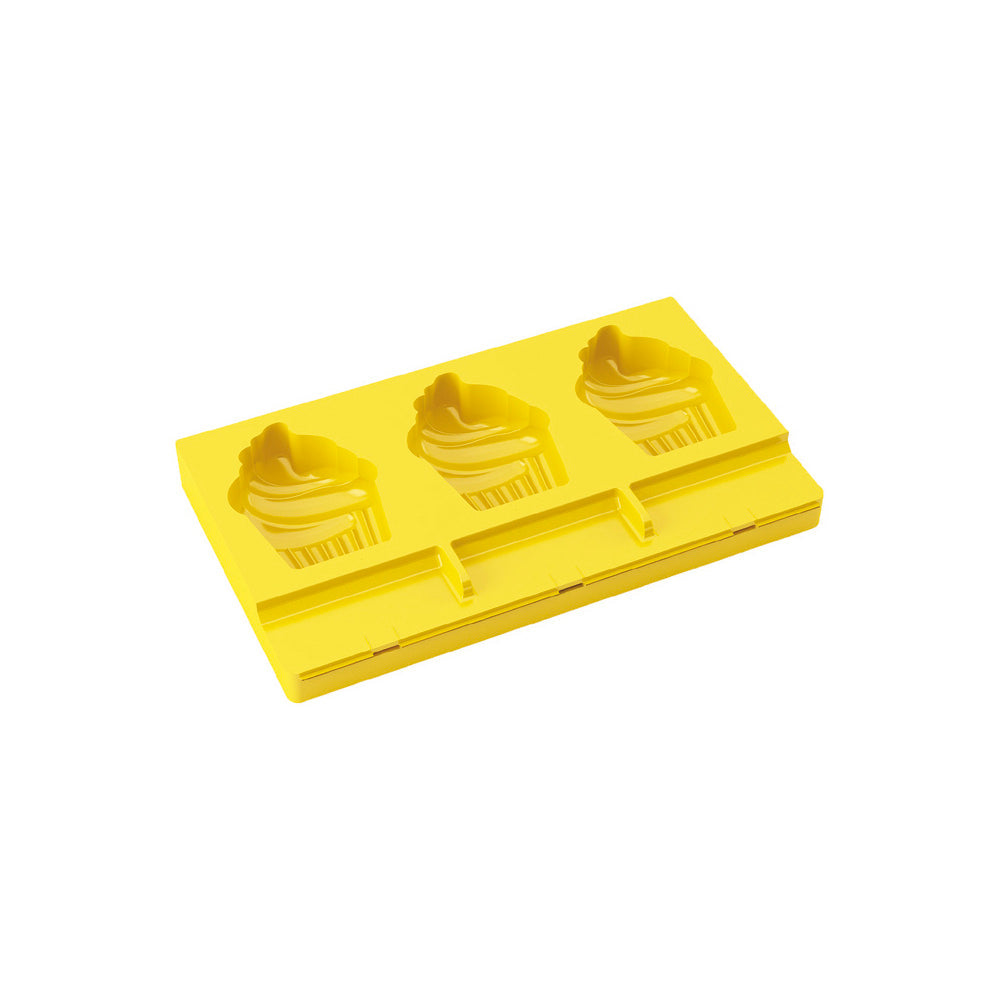
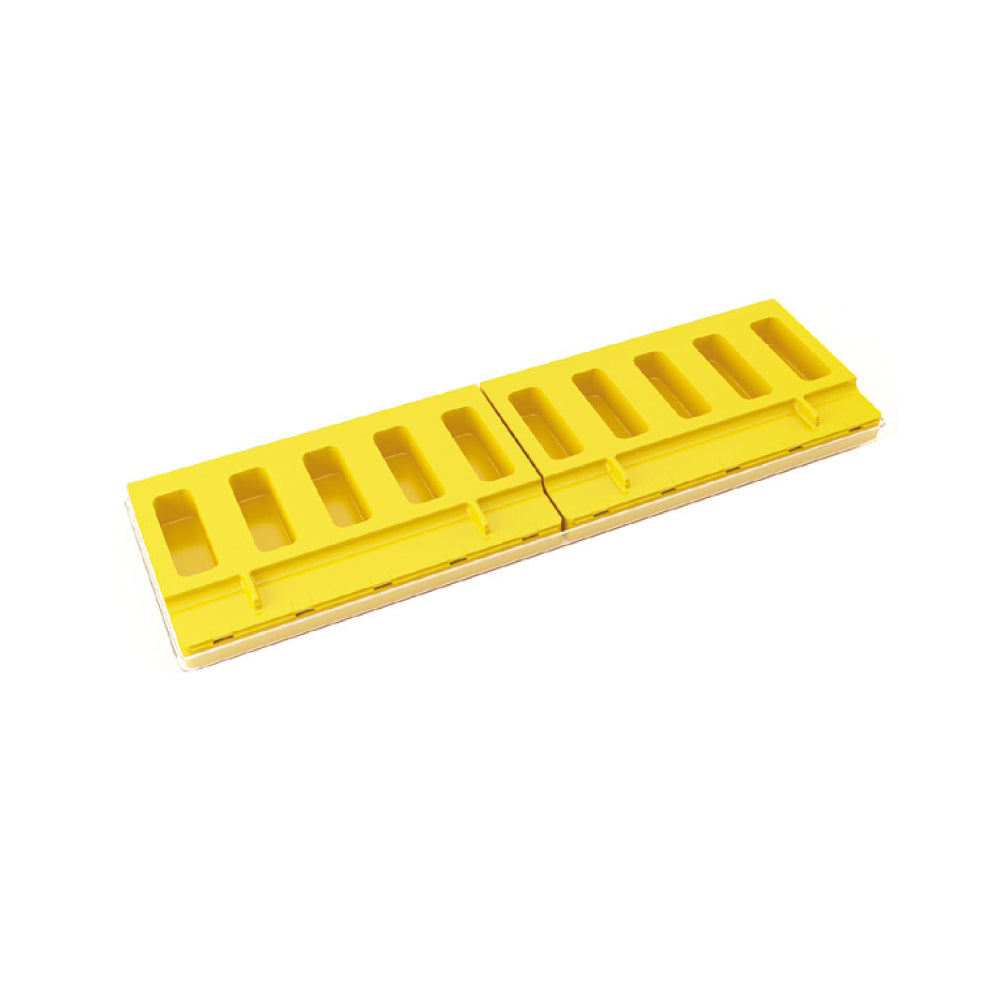

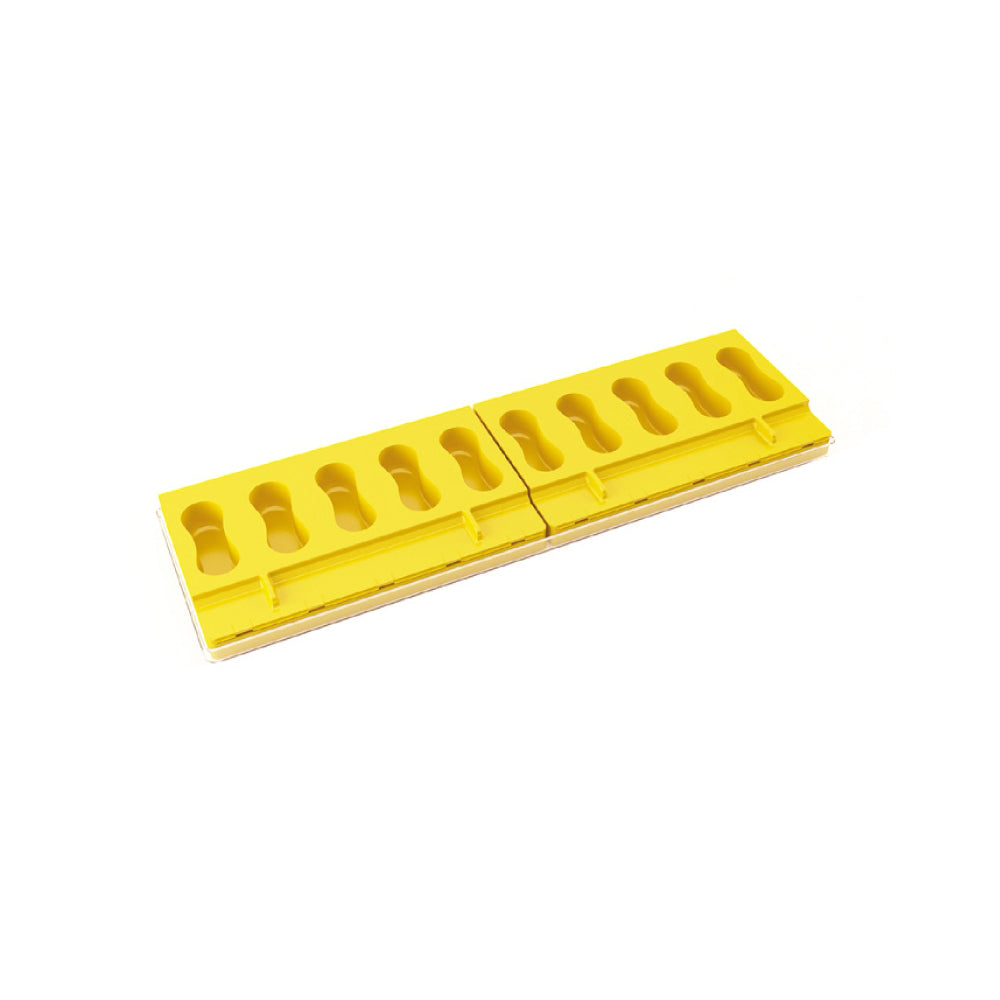



Creating distinctive frozen desserts requires specialized molds that shape ice cream, gelato, and popsicles into consistent, professional forms customers recognize as premium products. Ice cream molds transform homogeneous frozen mixtures into architectural desserts, layered creations, or perfectly portioned servings that command higher prices than simple scoops. For gelato shops, pastry operations, or dessert-focused restaurants, quality molds enable product differentiation in competitive frozen dessert markets where visual appeal drives purchasing decisions.
Why Professional Molds Transform Frozen Production
Portion control delivers the immediate economic benefit that justifies mold investments. Every ice pop emerging from molds contains identical volume, eliminating the size variations hand-scooping creates. This consistency enables accurate cost calculations and prevents the gradual portion creep where staff unconsciously increase serving sizes, eroding profit margins across thousands of servings annually.
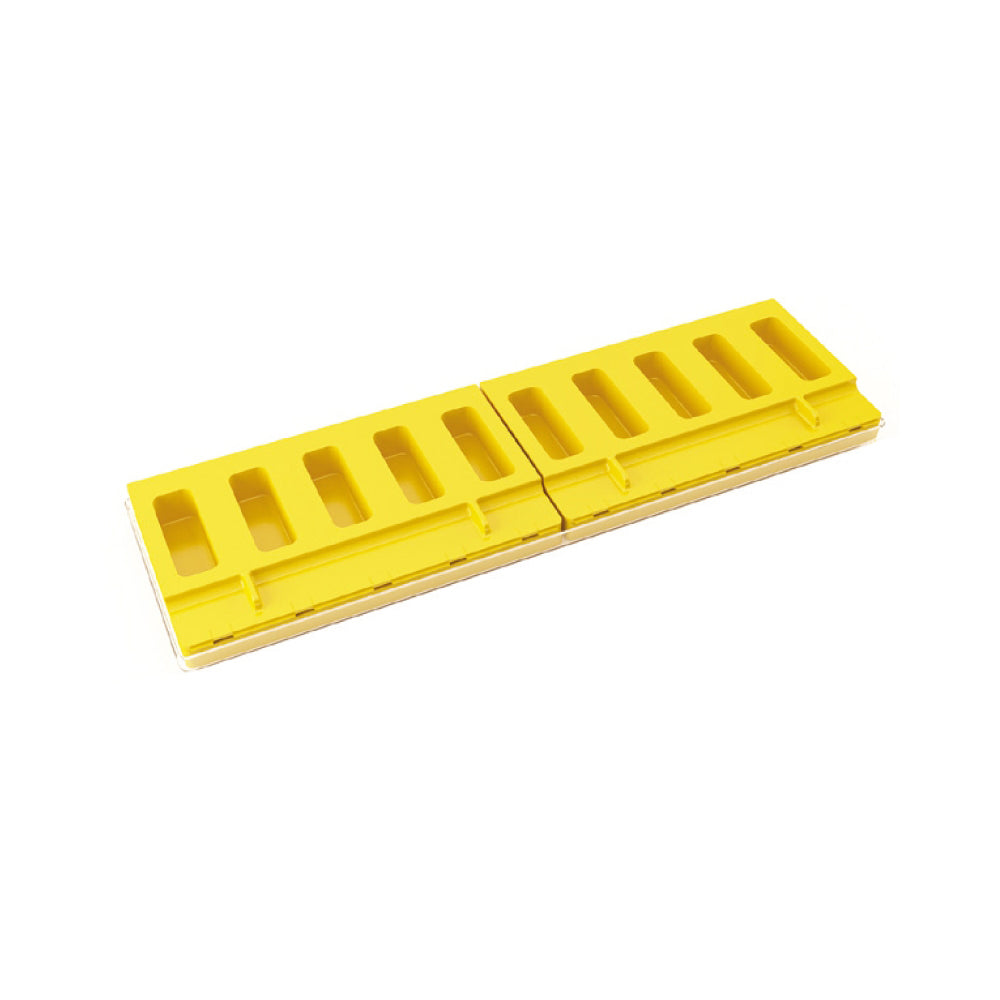
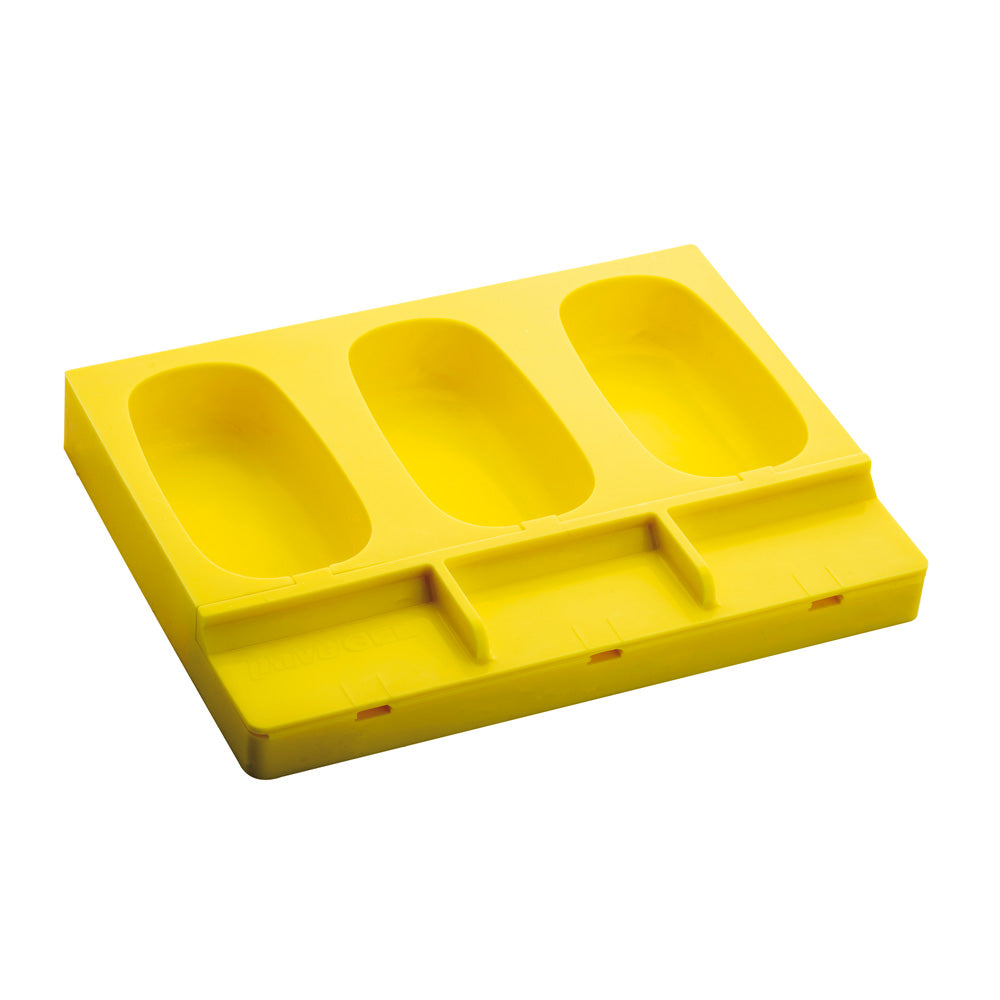
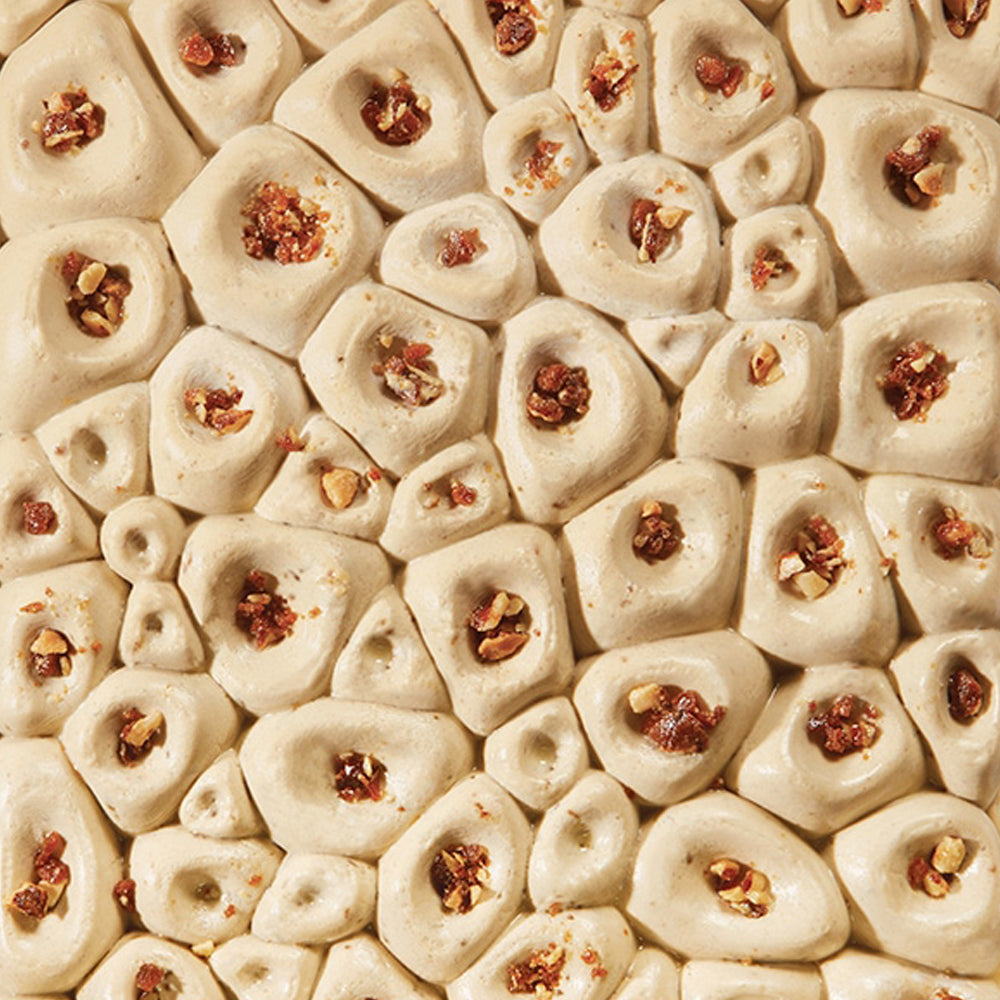
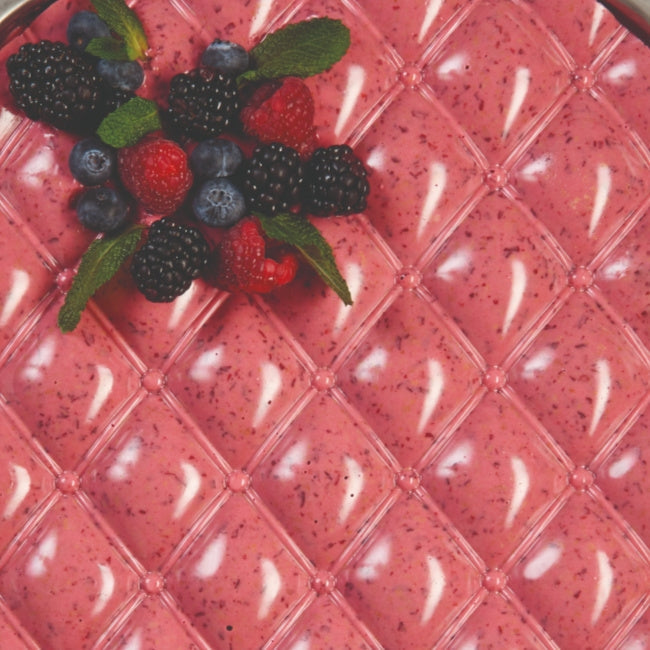
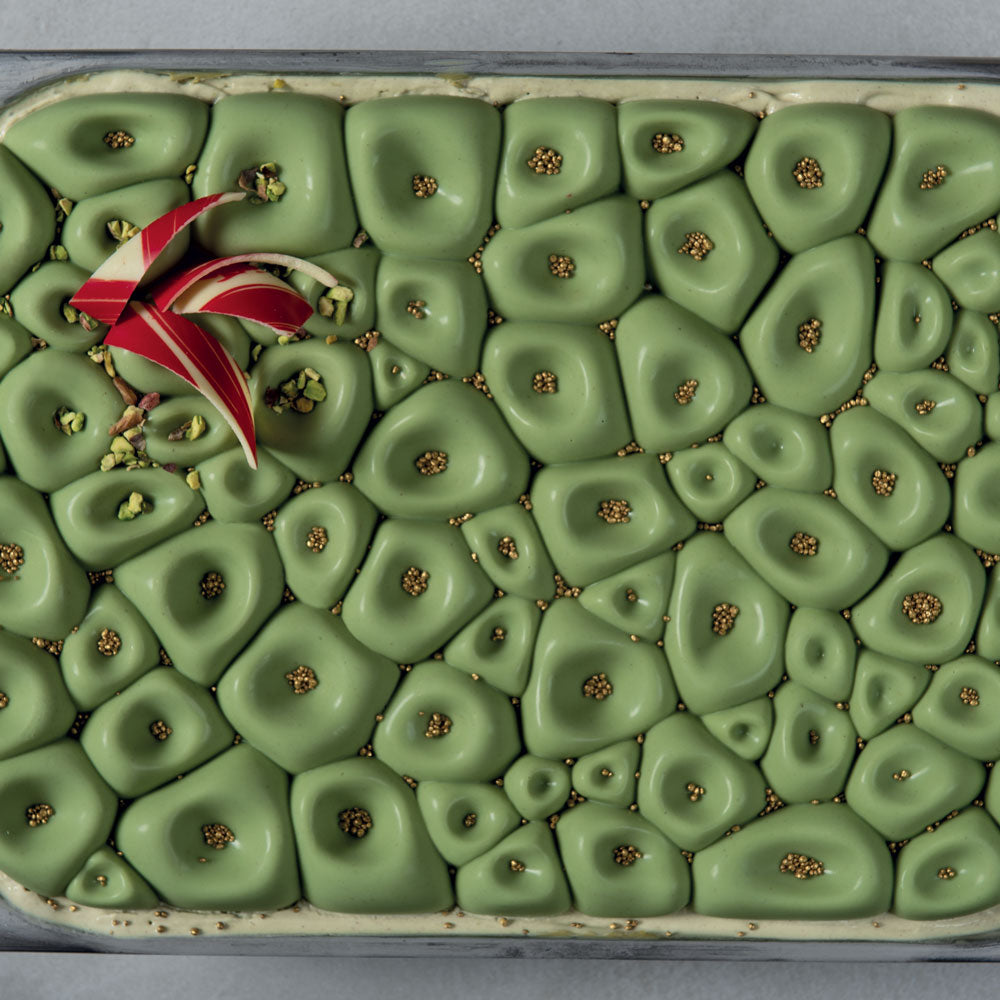
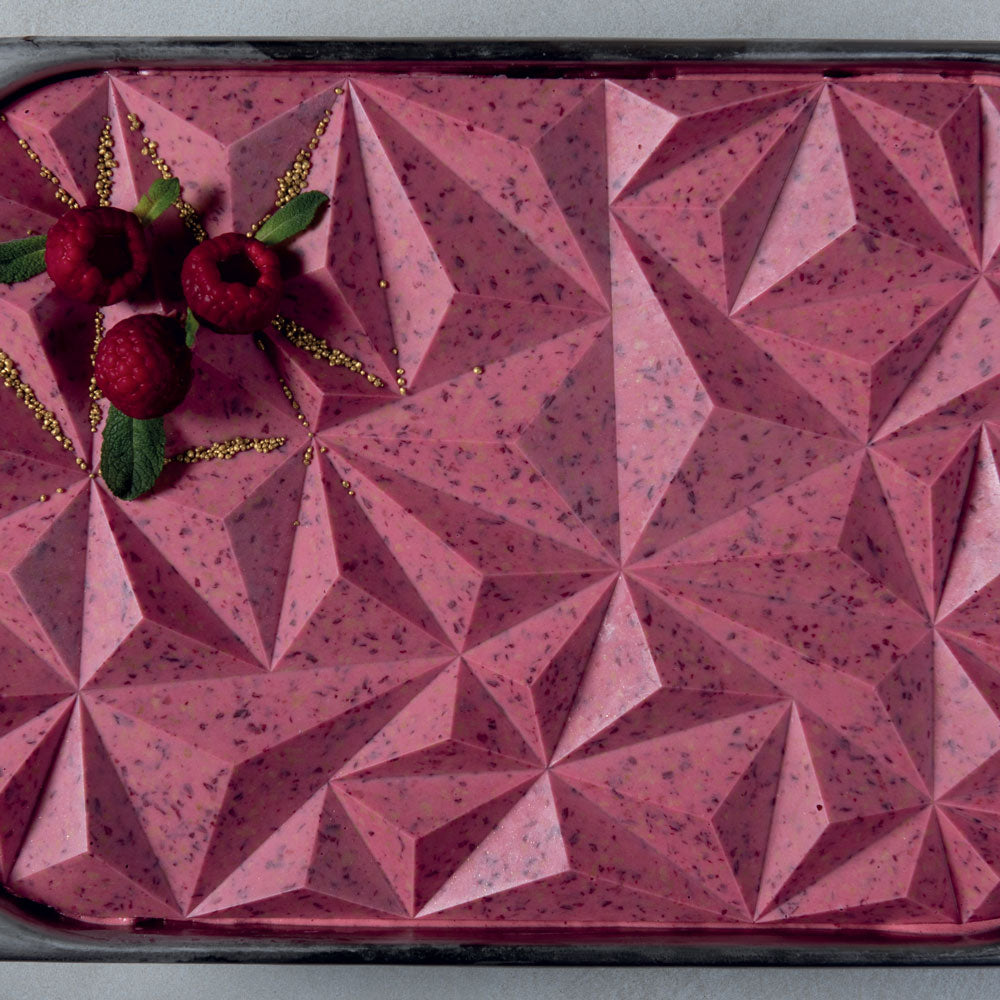
Visual distinction separates molded frozen desserts from commodity ice cream. A brick silicone ice cream mold creates clean geometric forms showcasing layered flavors or contrasting colors impossible to achieve through scooping. These architectural presentations justify premium pricing—customers willingly pay 40-60% more for frozen desserts demonstrating craftsmanship through precise molding versus simple scoops in cups.
Production efficiency improves when molds standardize output. Training new staff to produce consistent results takes minutes with molds versus the skill development hand-scooping requires. This simplified production supports rapid scaling during busy periods without quality degradation from rushed or inexperienced staff attempting to maintain standards under pressure.
Release characteristics in professional silicone ice cream molds enable clean demolding without product damage. Quality food-grade silicone flexes easily, releasing frozen contents without the sticking, tearing, or melting that plastic alternatives cause. The gelato ice cream molds collection emphasizes designs engineered specifically for reliable frozen dessert production.
Exploring Mold Categories for Different Applications
Classic Brick and Bar Formats
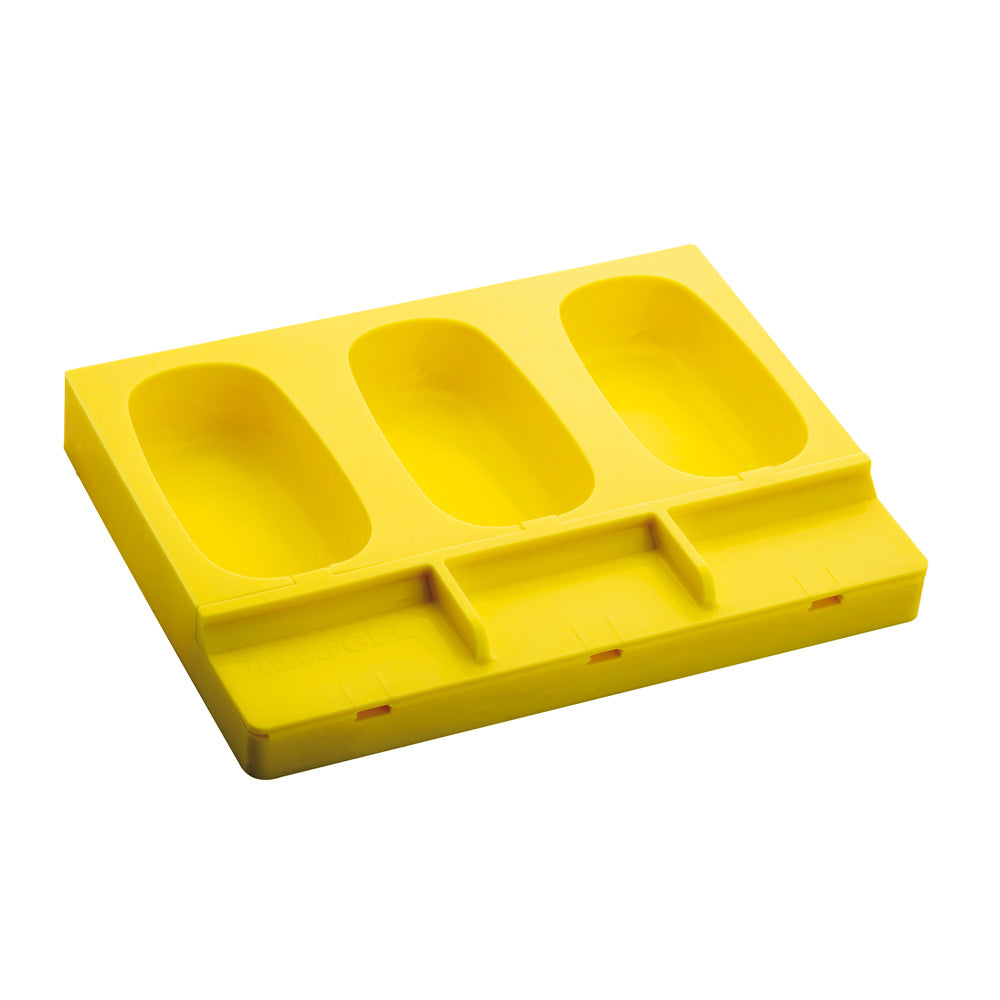
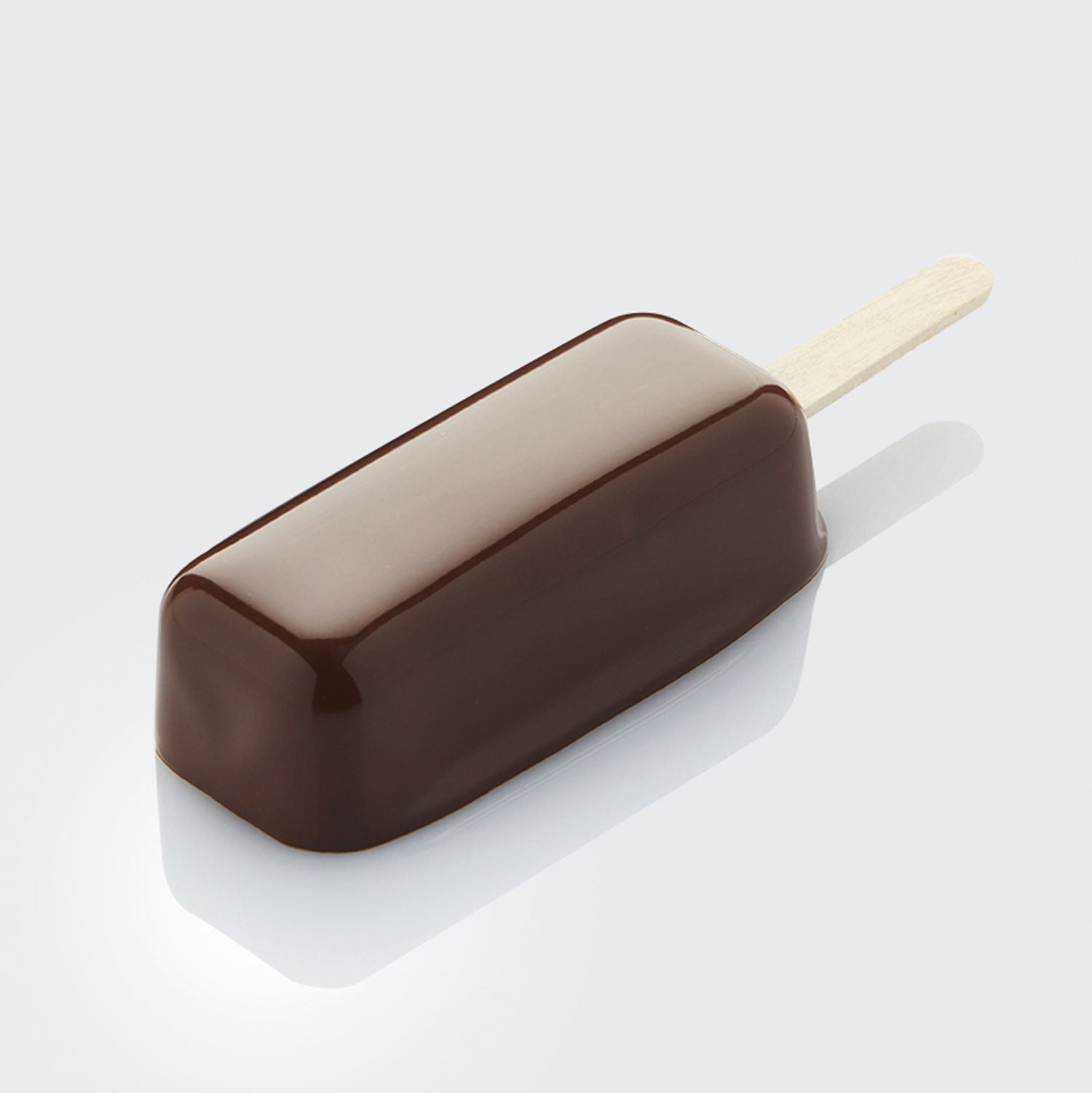
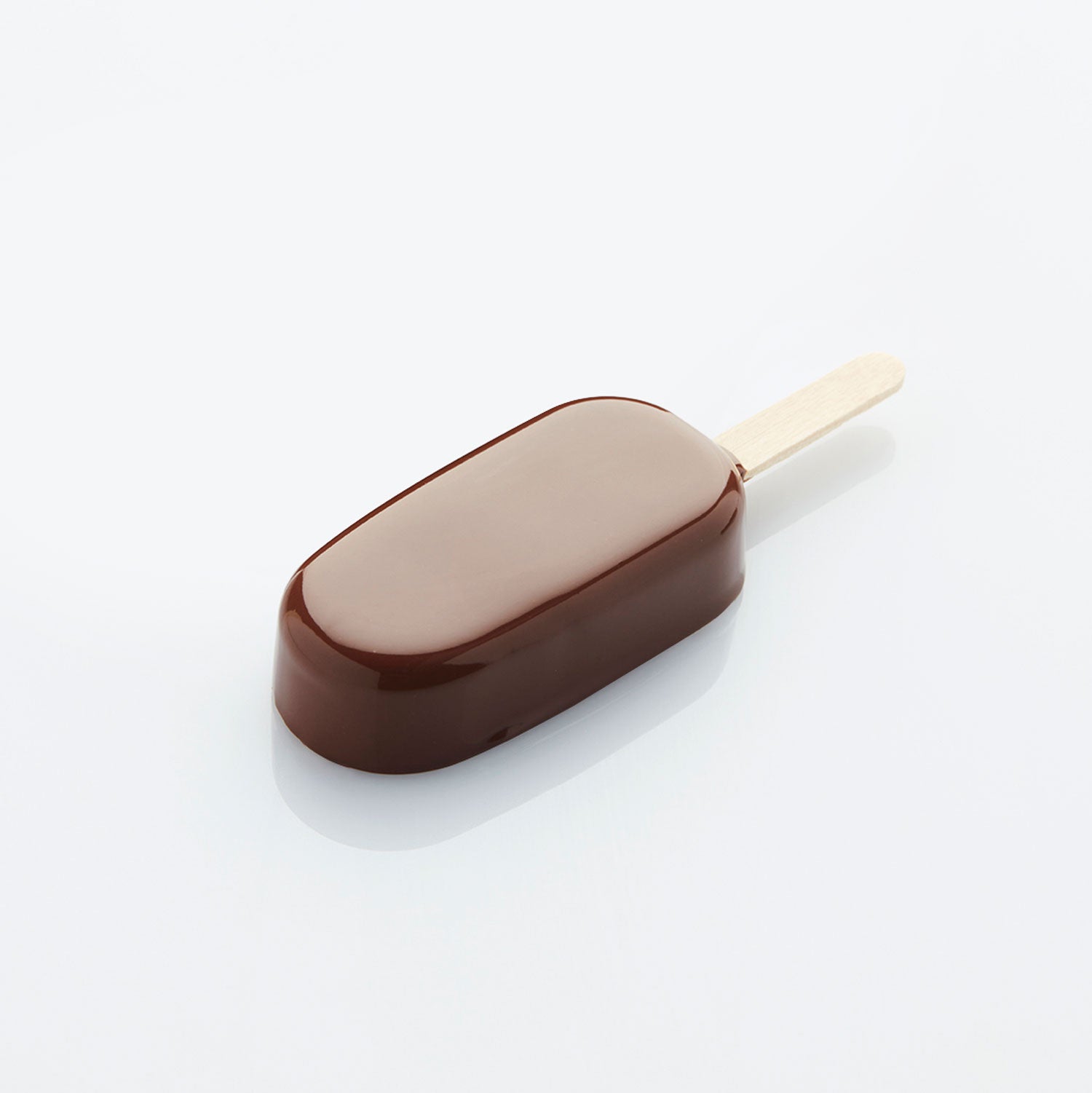
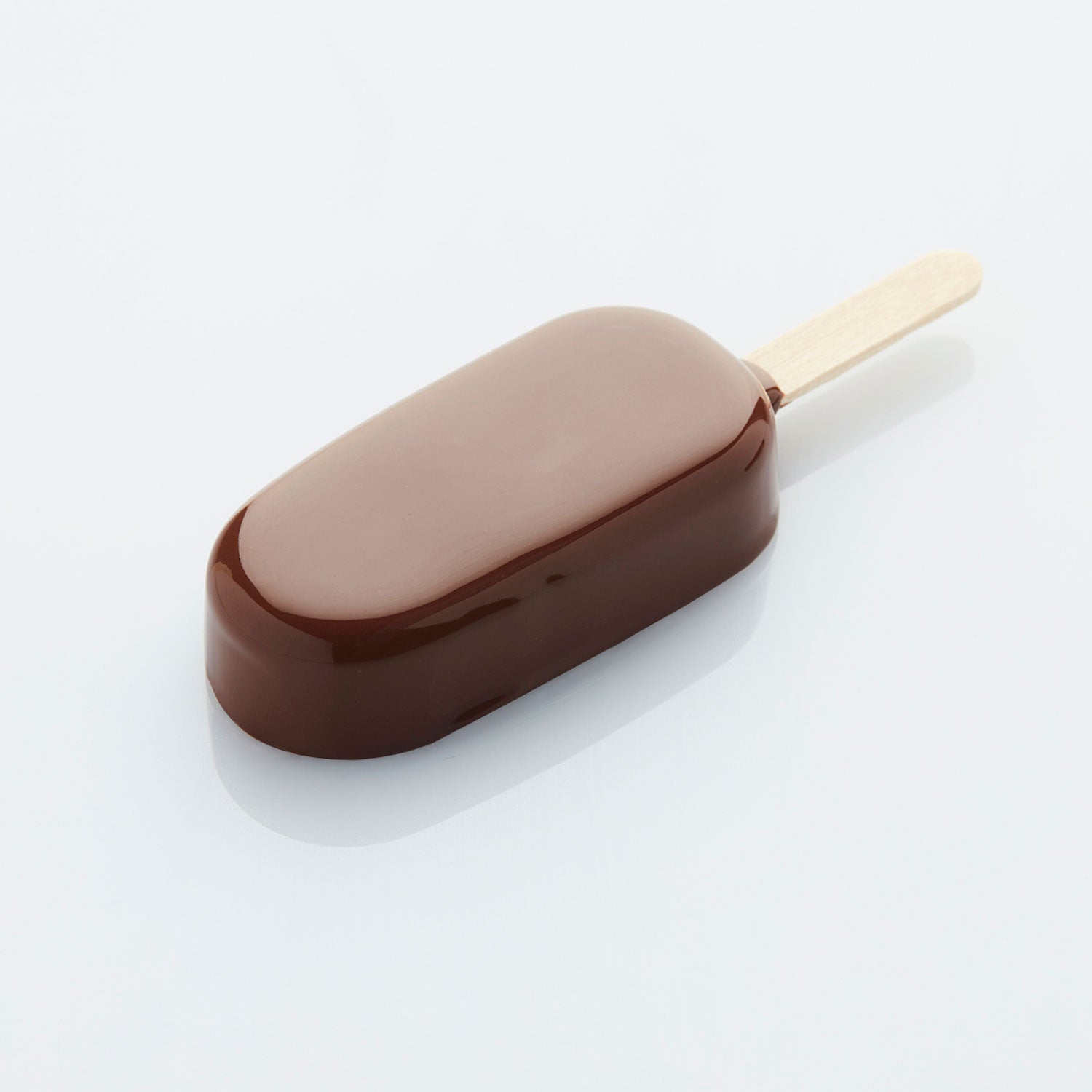
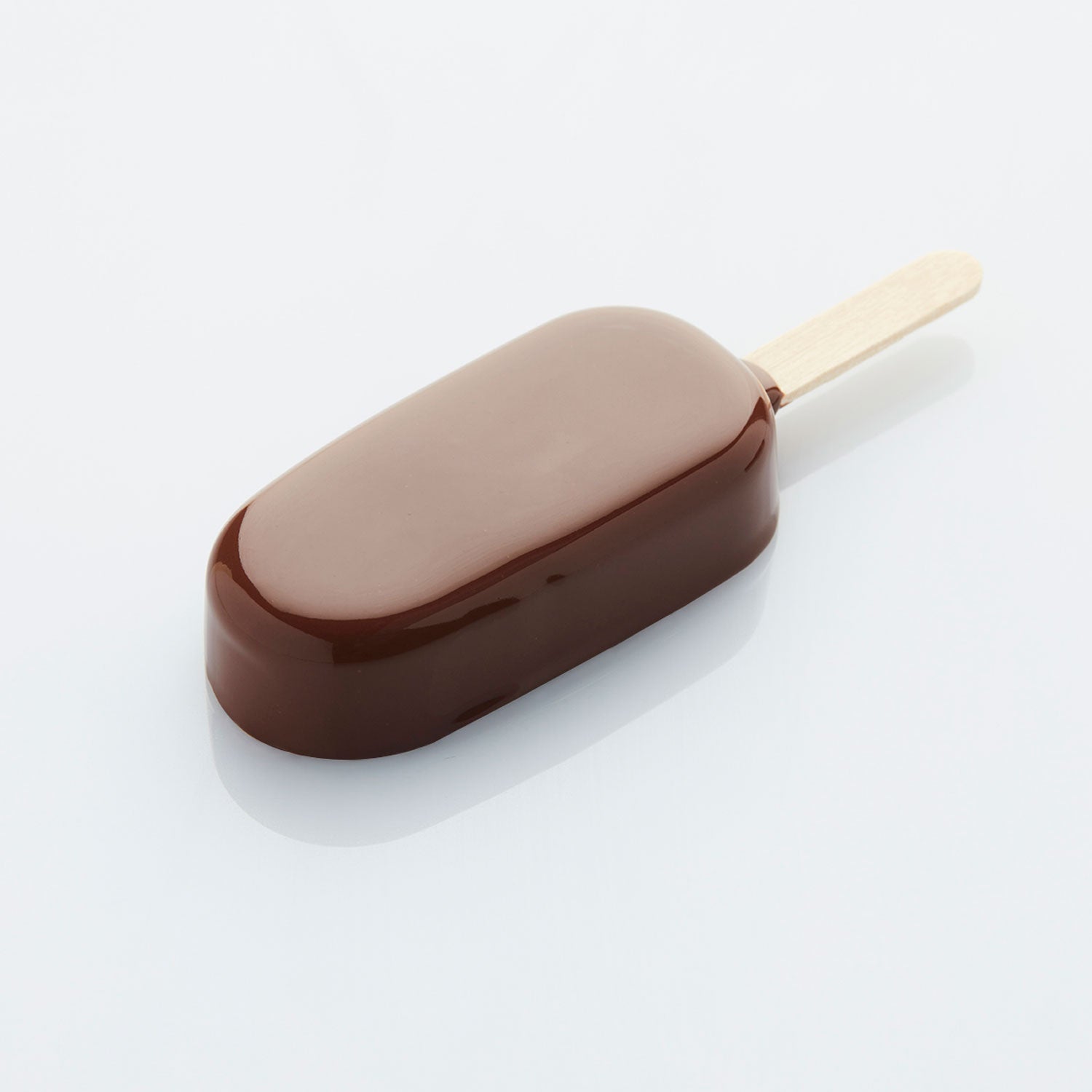
Traditional rectangular molds create the familiar ice cream bar shapes customers associate with premium frozen desserts. The Classic Silicone Mold for Ice Cream 104000 produces standard-sized bars suitable for chocolate coating or serving plain, accommodating both artisan gelato bars and nostalgic ice cream sandwiches. These versatile molds support diverse applications from simple fruit pops to complex layered creations.
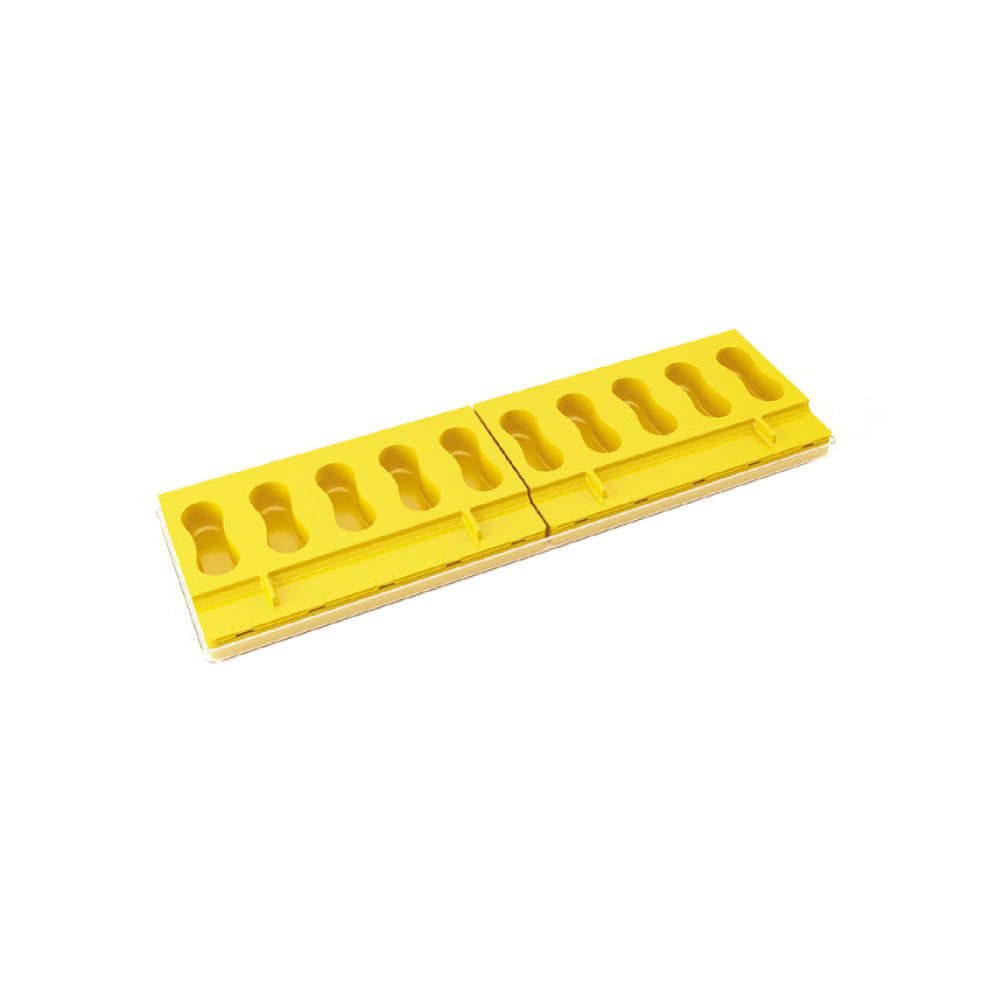
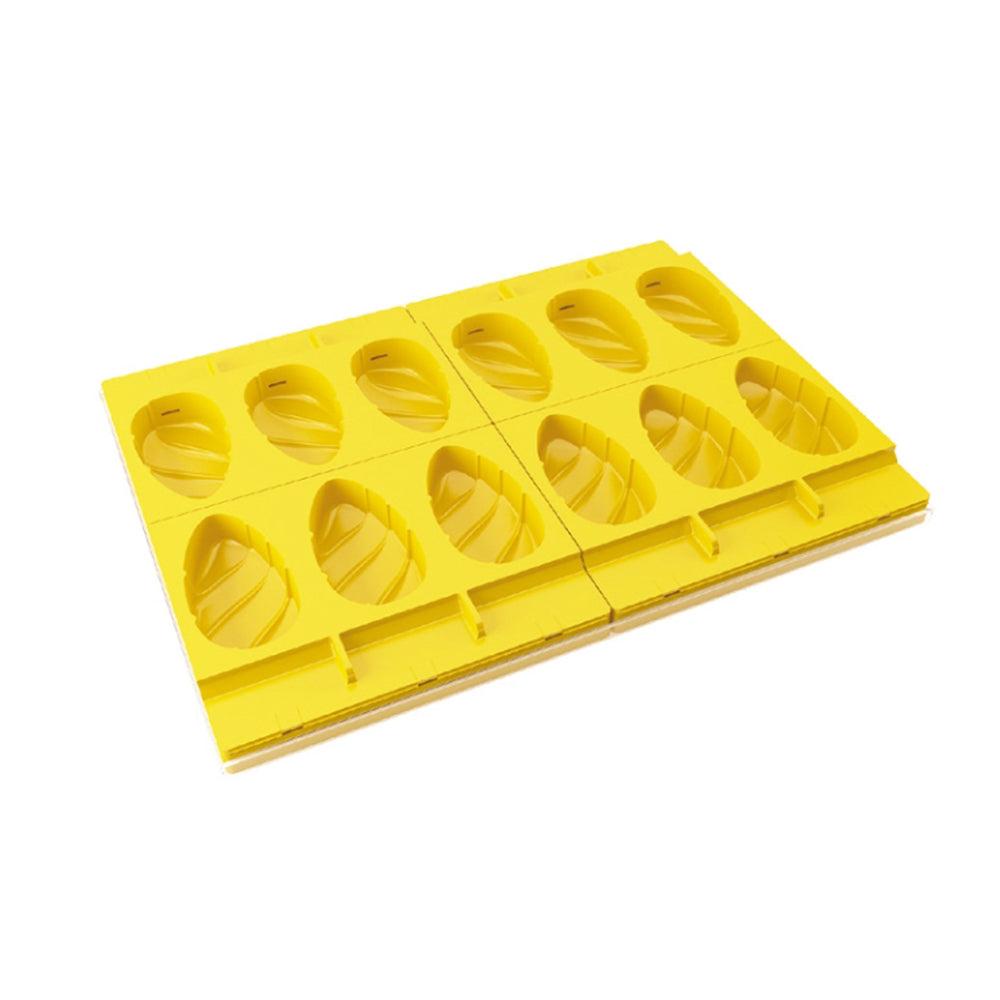
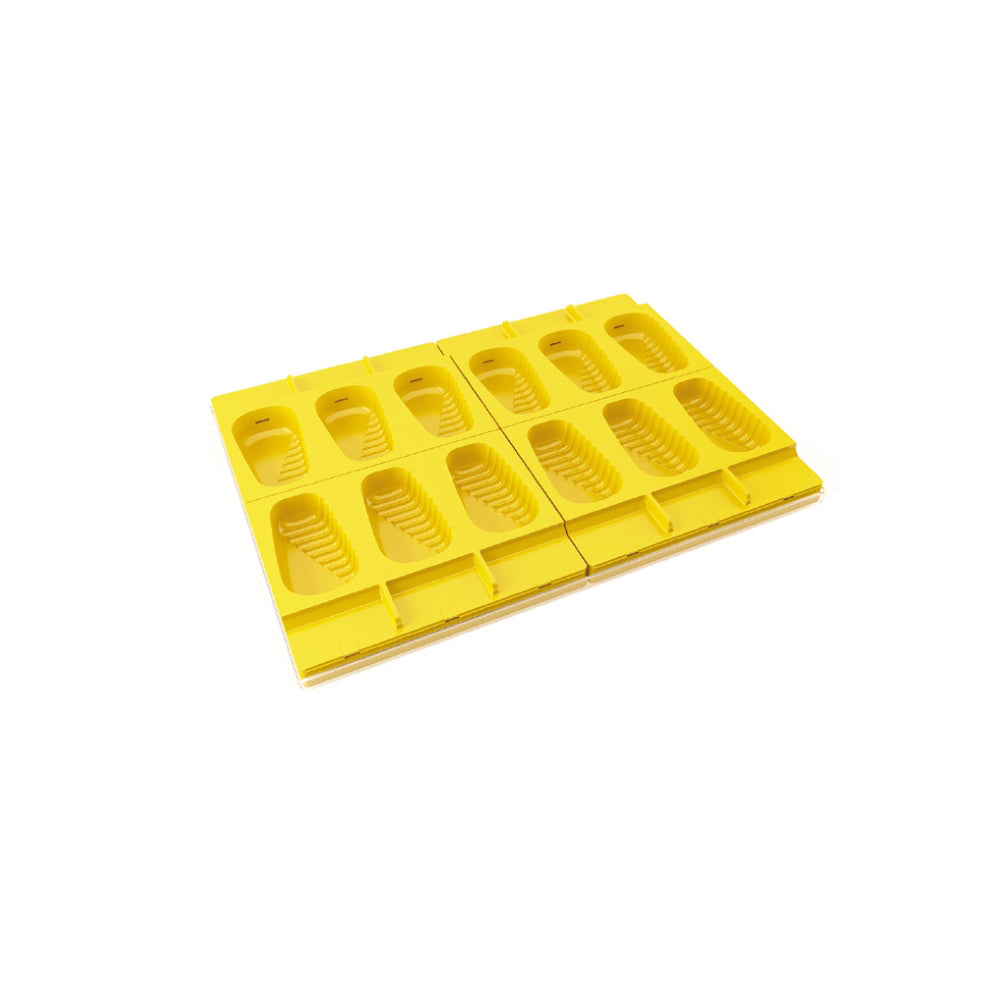
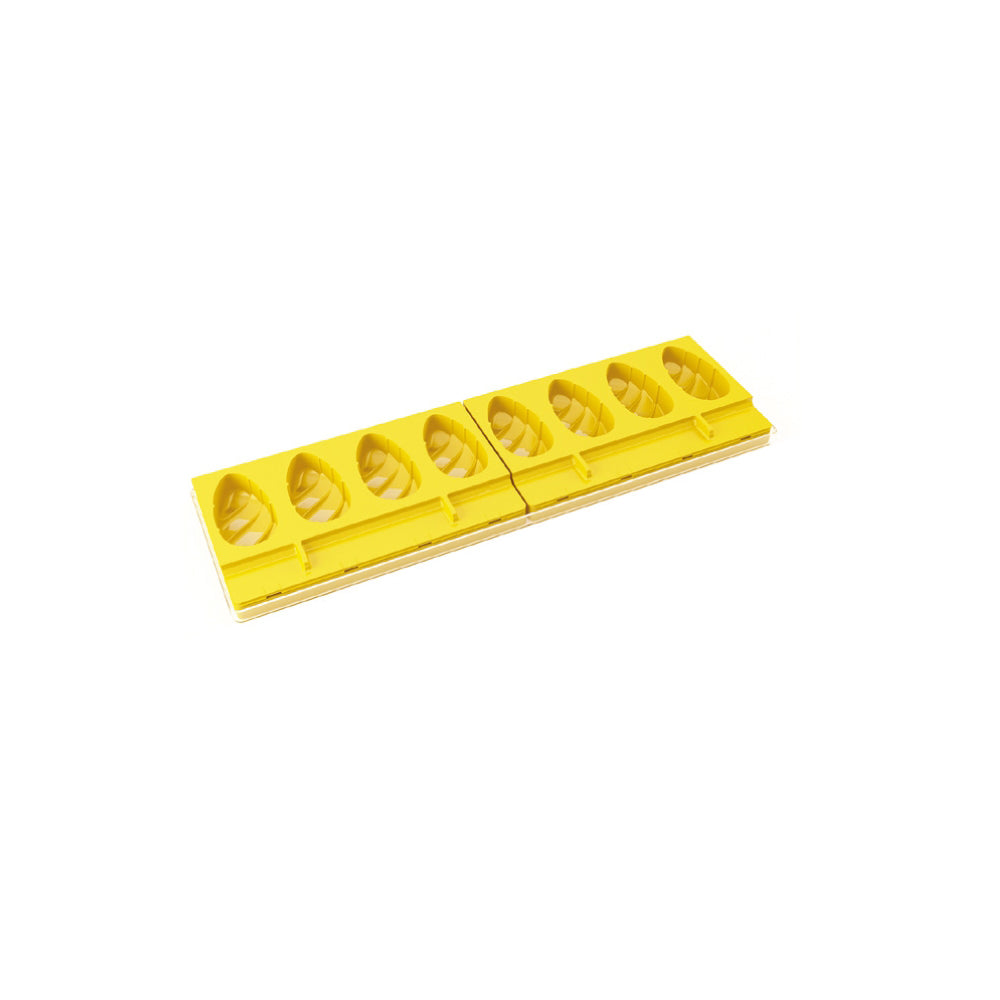
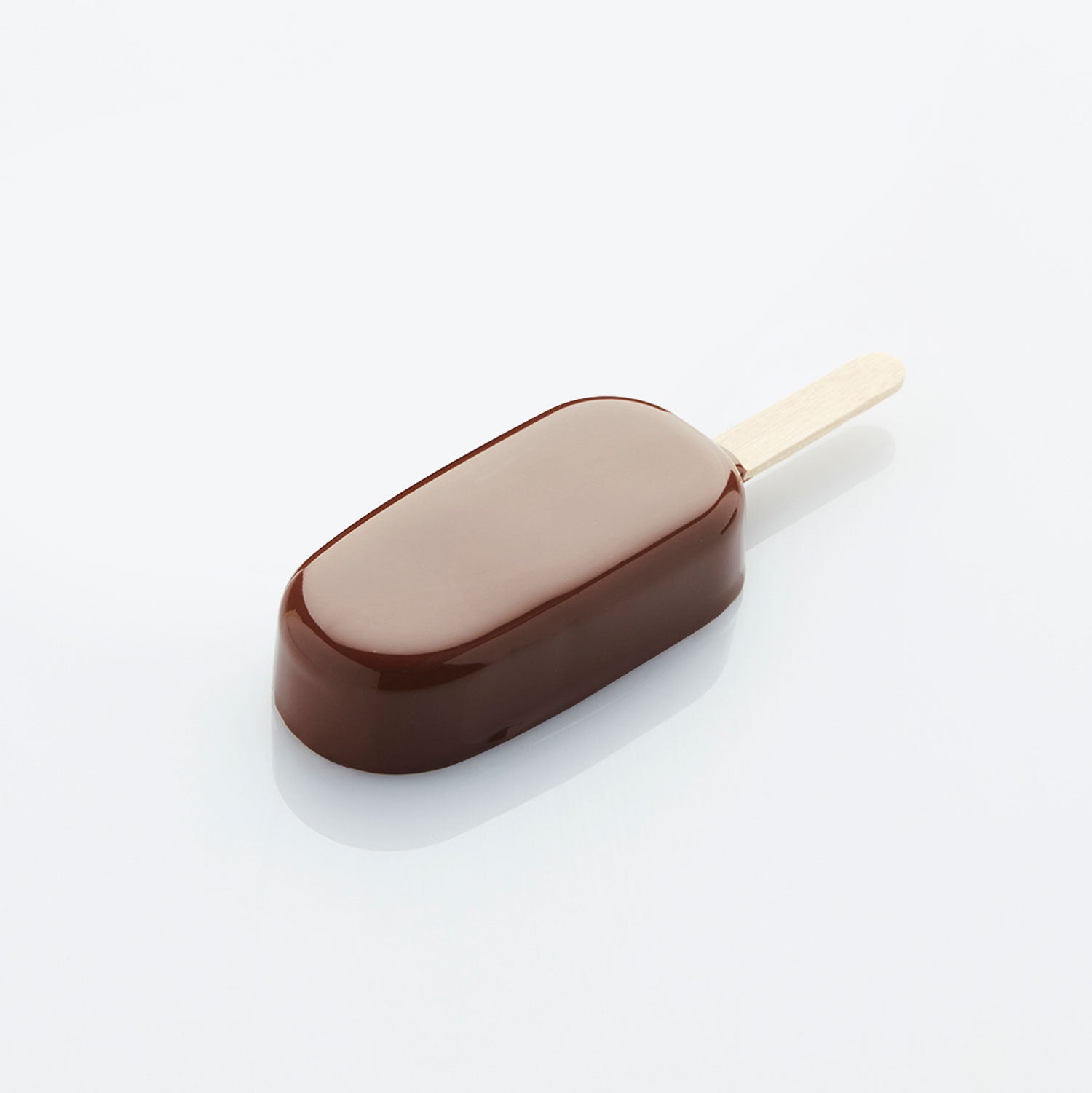
Miniature versions enable sampling programs and multi-piece servings. The Classic Mini Silicone Mold for Ice Cream 104001 produces smaller portions perfect for tasting menus, children's servings, or assortment boxes featuring multiple flavors. Mini formats also reduce perceived price barriers—$3 mini bars sell more readily than $8 full-sized equivalents, increasing transaction frequency and total revenue despite lower per-piece pricing.
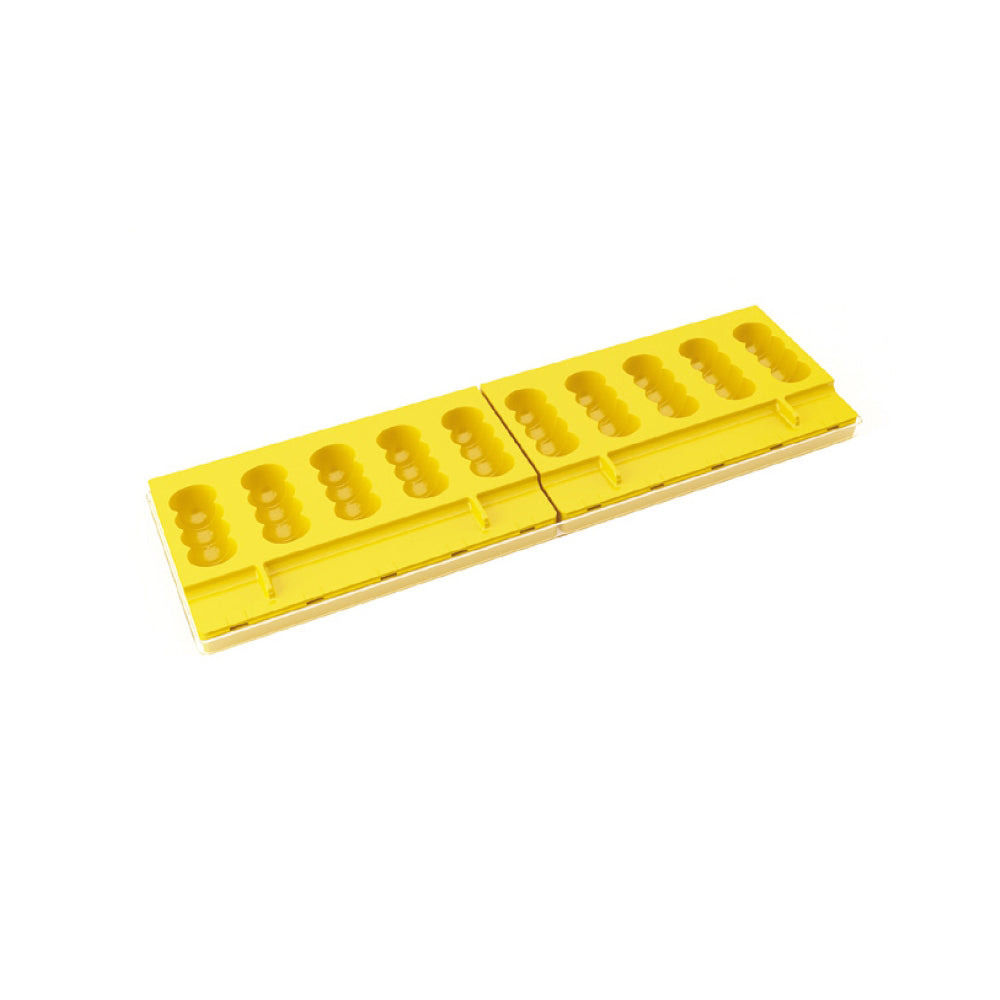
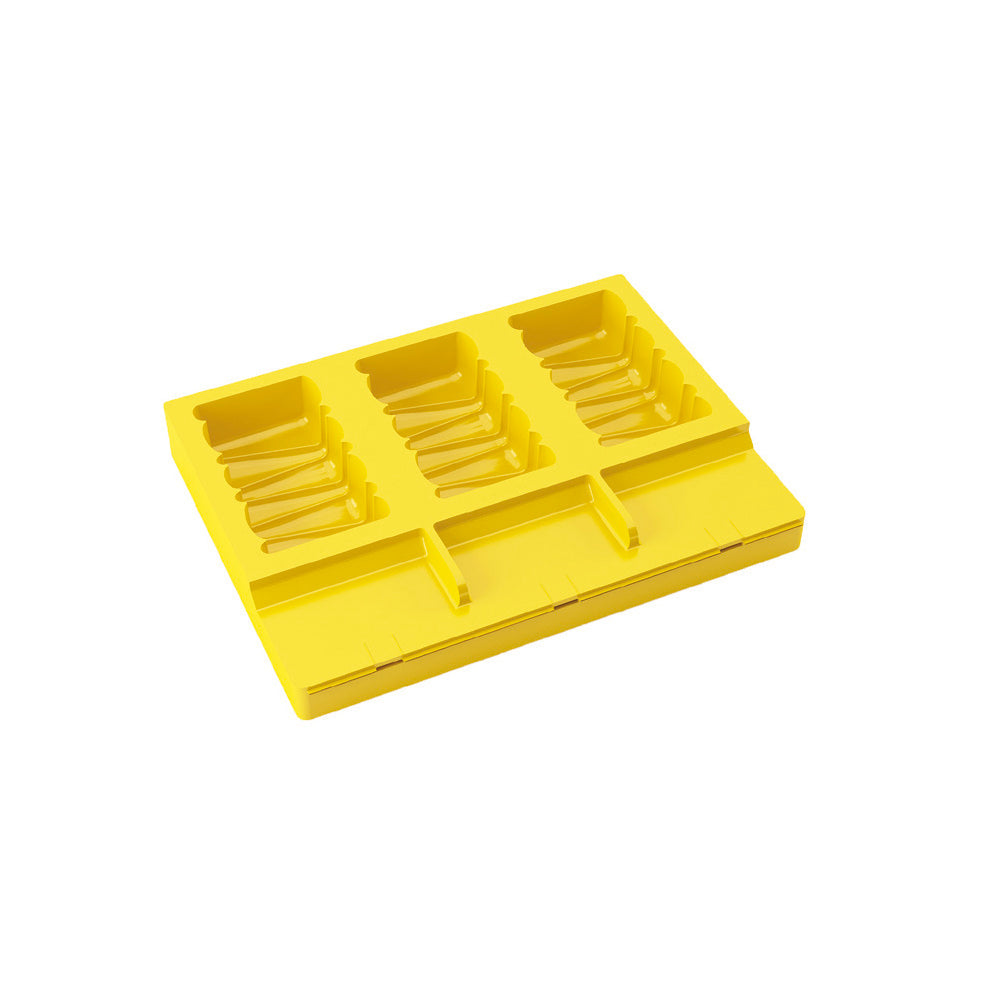
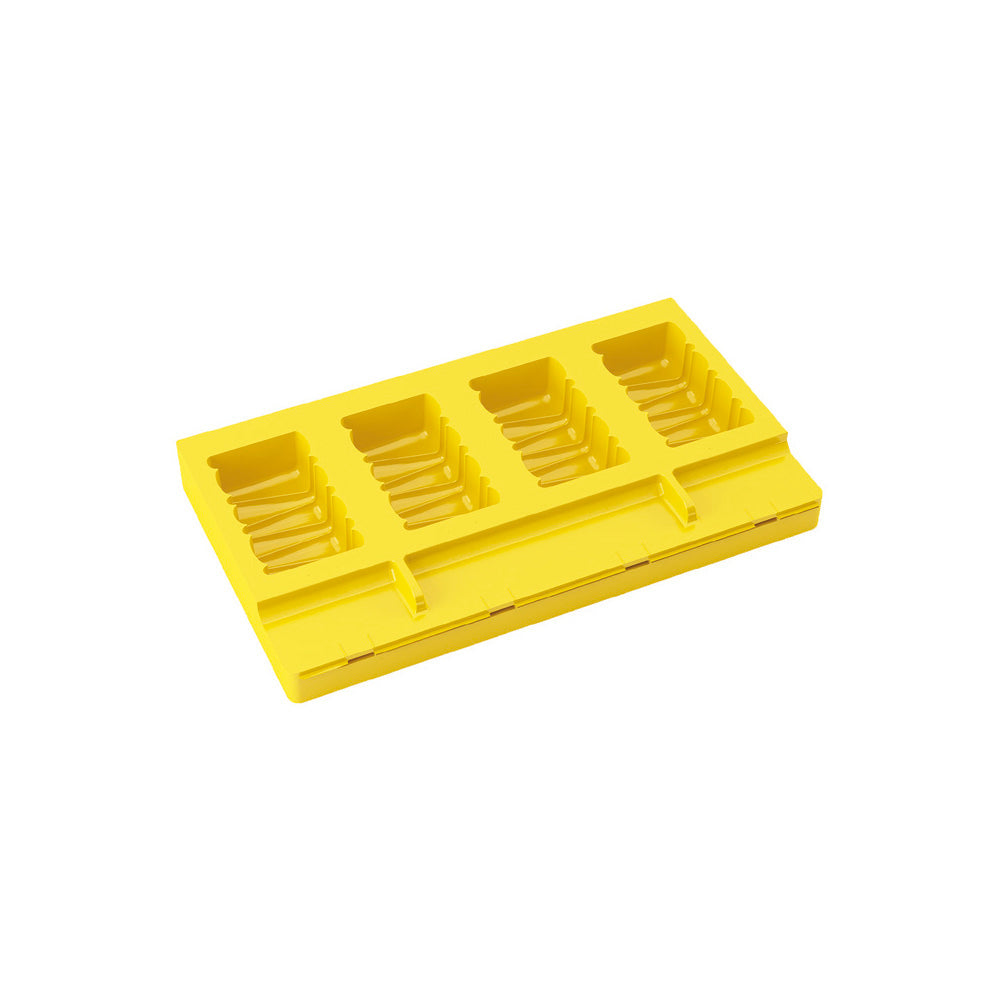
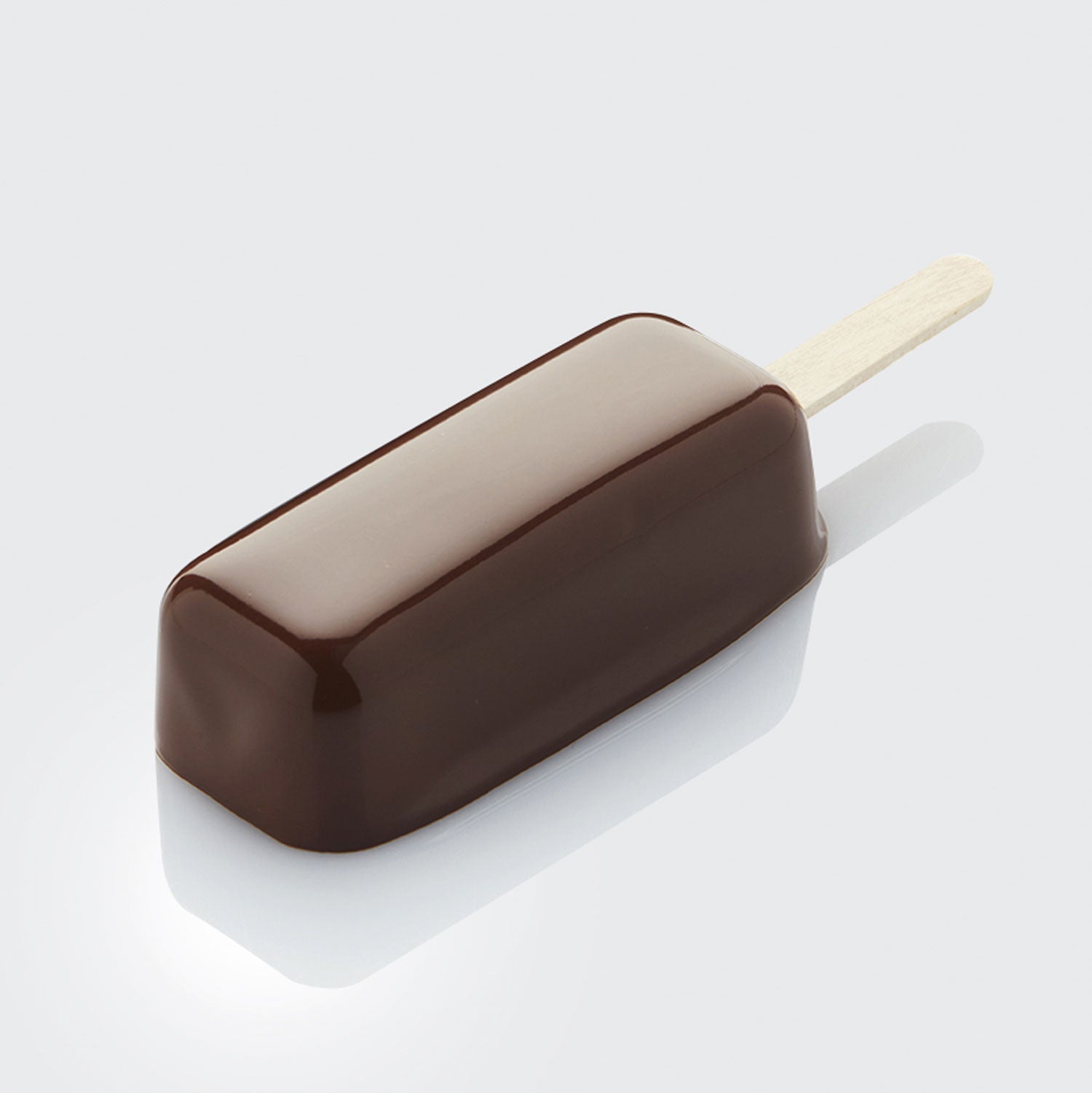
Specialty brick shapes differentiate products visually. The Brick Silicone Mold for Ice Cream 104002 creates distinctive forms that stand out in displays and photographs better than standard rectangles. These unique shapes become brand identifiers that customers recognize and request specifically, building loyalty through visual distinctiveness.
Ice Pop and Stick-Based Designs
Popsicle-style molds serve fruit-based frozen desserts and dairy-free options appealing to health-conscious consumers. Ice pop molds accommodate wooden sticks creating convenient hand-held formats popular with children and outdoor events. These molds enable operations to capture market segments beyond traditional ice cream, expanding customer bases without requiring separate frozen dessert equipment.
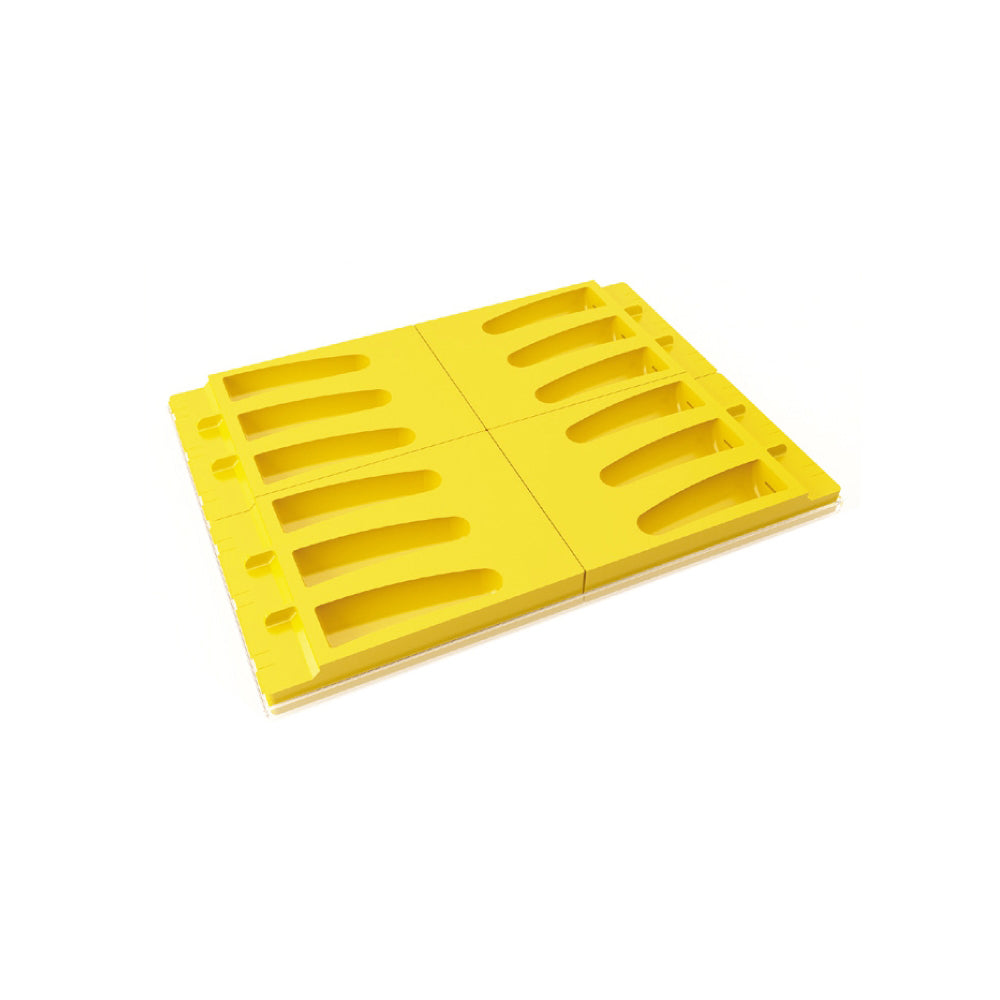
Cavity counts affect production scale. Molds producing 6-12 pops simultaneously suit artisan operations with modest volume requirements, while commercial bakeries benefit from higher-cavity configurations maximizing freezer utilization. Matching mold capacity to production volumes prevents freezer space waste or insufficient output during demand peaks.
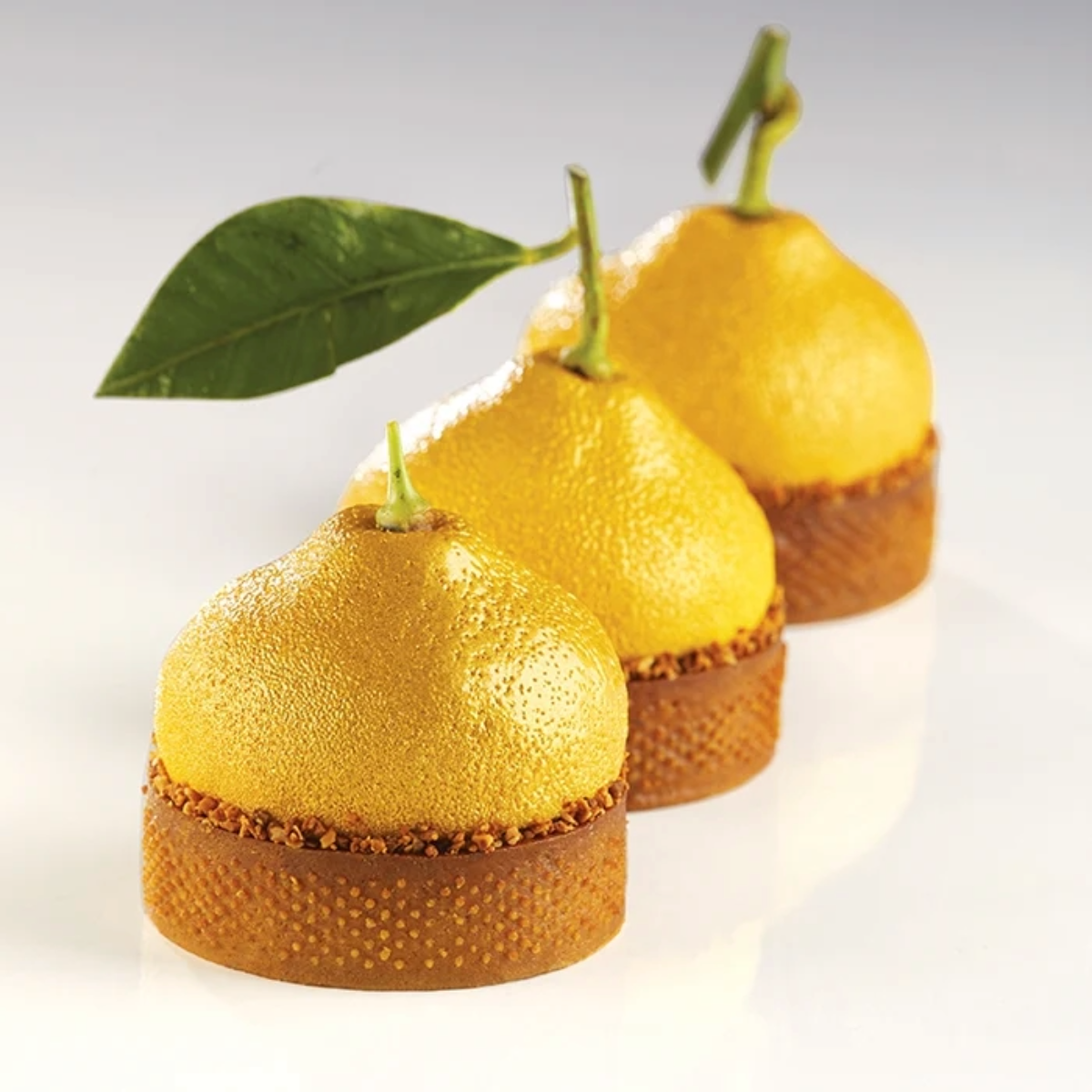
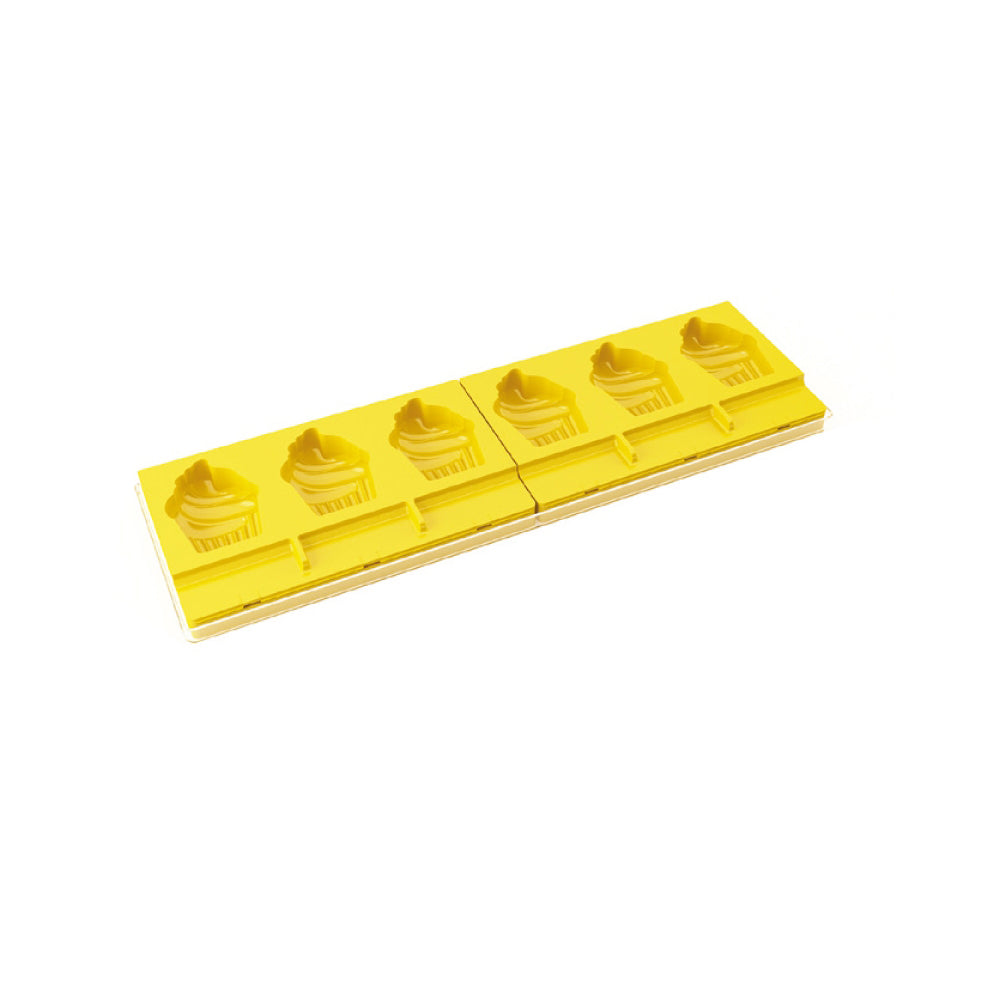
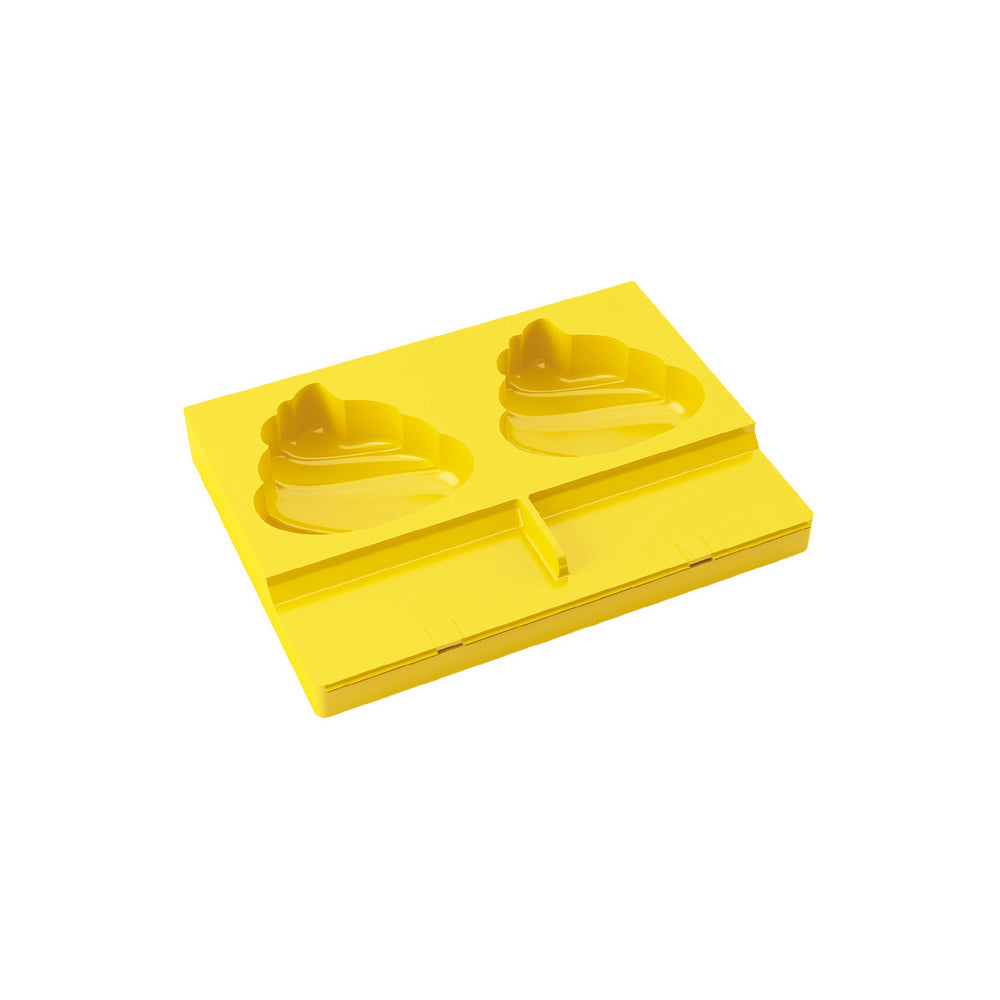
Creative shapes beyond simple rectangles attract attention and command premiums. Novelty molds creating character shapes, geometric designs, or seasonal forms transform commodity frozen desserts into special-occasion treats justifying elevated pricing. These specialty molds particularly support seasonal programs where limited-time offerings generate urgency driving sales volumes.
Technique Mastery for Flawless Results
Layering and Color Techniques
Creating visually striking layered frozen desserts requires understanding freezing timing. Initial layers must freeze sufficiently before adding subsequent layers, preventing color bleeding that muddles deliberate visual separation. Partial freezing—typically 30-45 minutes—sets layers enough to support additional components without complete hardening that prevents proper bonding between layers.
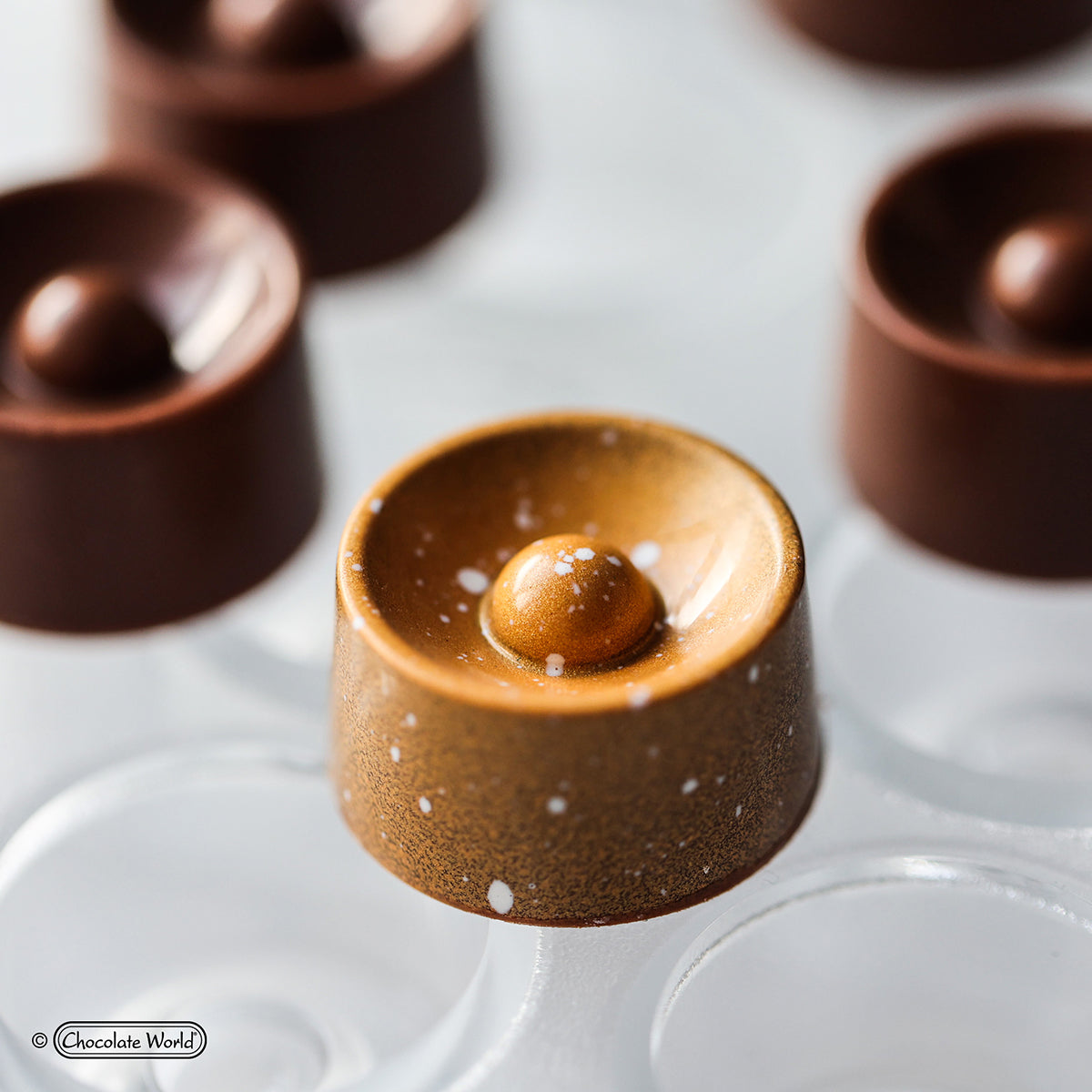
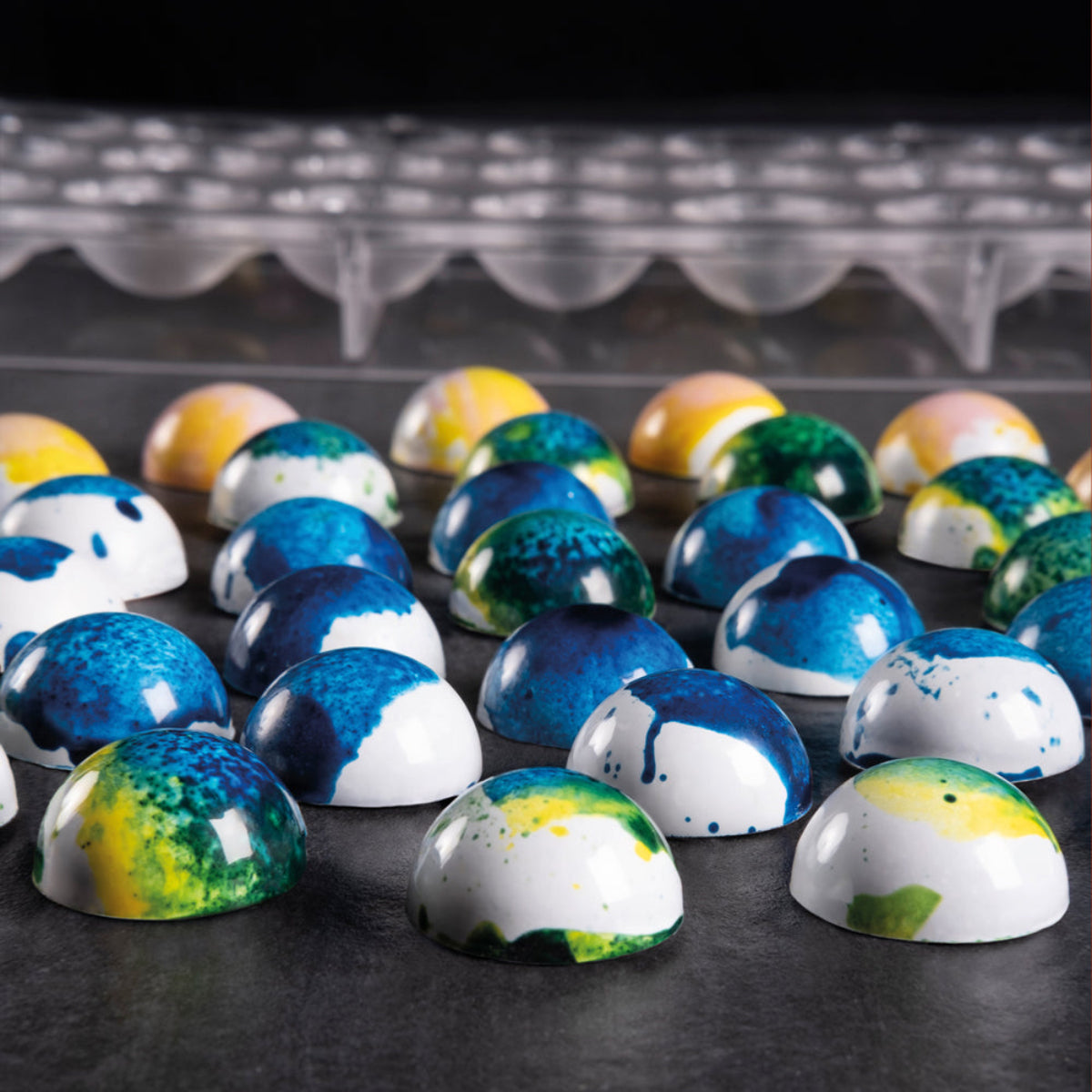
Contrasting colors and flavors maximize visual impact. Alternating dark chocolate and vanilla, or layering berry purees between cream bases, creates photogenic desserts generating social media sharing worth multiples of traditional advertising costs. Understanding chocolate decorations techniques extends to frozen applications where chocolate shells or insertions add textural interest.
Demolding Without Damage
Successful demolding begins with proper freezing—minimum 4-6 hours ensures complete solidification preventing breakage during release. Brief warming facilitates release without melting products. Running molds under lukewarm water for 10-15 seconds or allowing 30-60 seconds at room temperature loosens frozen contents sufficiently for clean extraction.
Silicone flexibility enables gentle release through inversion and flexing rather than forcing. Quality molds withstand repeated flexing without tearing or losing shape, maintaining performance through thousands of production cycles. This durability justifies premium pricing for professional-grade silicone versus cheaper alternatives failing after limited use.
Storage practices between uses affect mold lifespan. Thorough washing and complete drying prevent mold growth or residue buildup. Storing molds flat rather than stacked prevents permanent deformation affecting future product shapes. The pastry storage packaging category includes organization solutions maintaining mold condition during storage periods.
Product Development Opportunities
Coated Ice Cream Bars
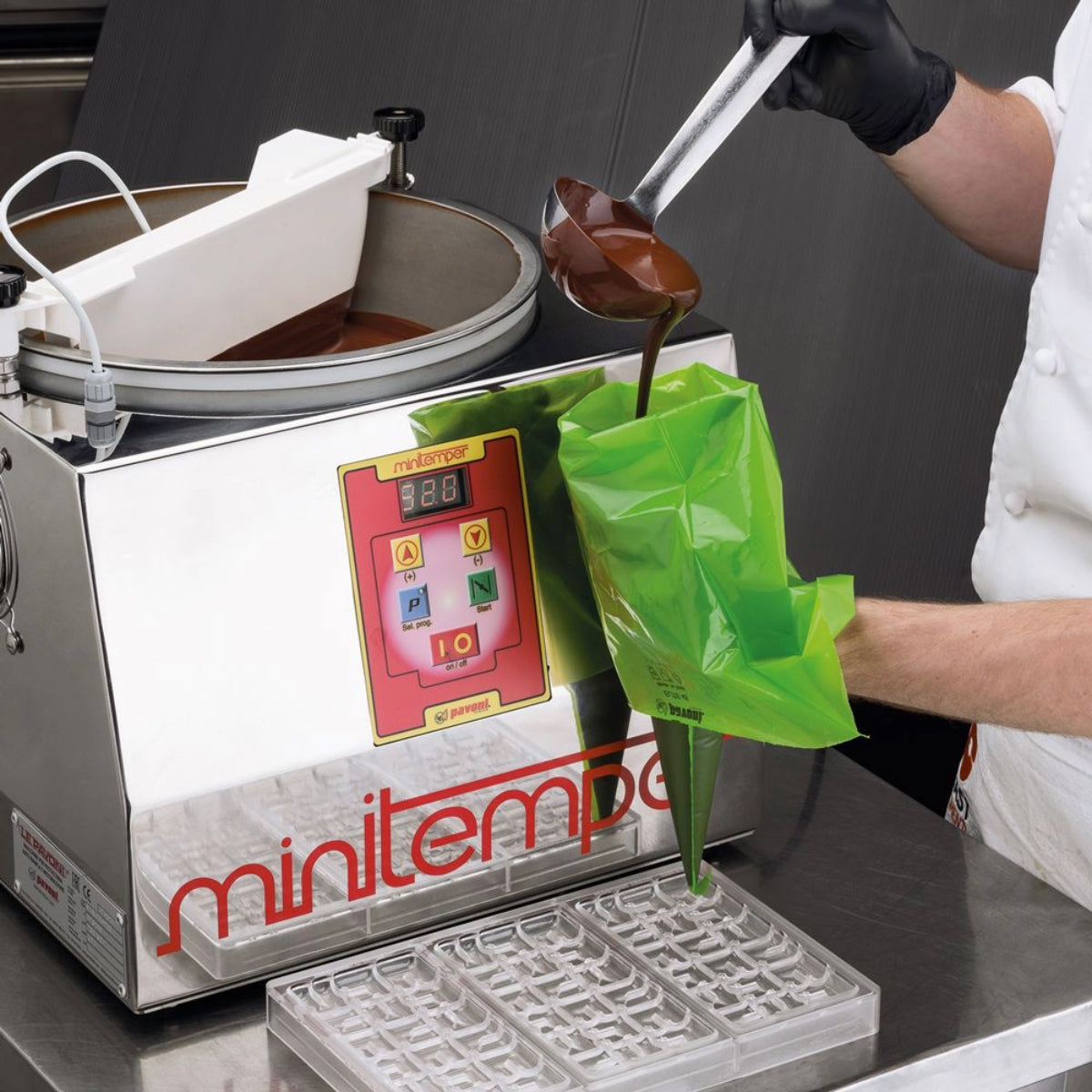
Chocolate-coated frozen bars represent premium offerings commanding highest pricing. Creating these requires demolding frozen bars, quickly coating with tempered chocolate, then refreezing to set coatings. The chocolate tempering machines you use directly affect coating quality—properly tempered chocolate creates snap and shine elevating perceived value.
Inclusions like nuts, cookie pieces, or freeze-dried fruit add textural interest and visual appeal. Coating still-tacky chocolate allows inclusions to adhere, creating complex products from simple base recipes. These value-added elements justify pricing multiples above plain frozen bars despite modest actual cost increases.
Layered Gelato Creations
Gelato's denser texture compared to ice cream makes it ideal for molding applications requiring structural integrity. Layering complementary flavors—perhaps hazelnut, chocolate, and espresso—creates sophisticated desserts appealing to adult palates willing to pay premium prices for crafted complexity beyond simple single-flavor scoops.
Insert elements like ganache centers, fruit compotes, or cake layers transform molded gelato into composed desserts. These techniques blur lines between frozen desserts and plated pastries, opening premium dessert menu positioning unavailable to simple ice cream operations.
Building Frozen Dessert Programs
Strategic mold selection supports product line development without excessive equipment proliferation. Starting with versatile brick molds enables multiple applications before expanding into specialty shapes targeting specific opportunities. This phased approach spreads investments while building expertise gradually rather than overwhelming operations with unfamiliar techniques simultaneously.
Marketing molded frozen desserts requires communicating craftsmanship justifying premium pricing. Photography showcasing clean lines, vibrant layers, or creative shapes educates customers about differences between your products and mass-market alternatives. This visual communication proves particularly effective on social media where image-driven platforms reward photogenic products.
At Zucchero Canada, we stock professional ice cream molds from manufacturers understanding frozen dessert production demands. Our gelato ice cream molds selection emphasizes food-grade silicone designs delivering reliable performance through intensive commercial use.
Explore our mold collection and envision the frozen desserts that will differentiate your offerings. Our team provides guidance on mold selection, matching your product vision, production volumes, and target markets. For technique recommendations, troubleshooting demolding challenges, or assistance in developing complete frozen dessert programs, contact our staff who understand both the technical requirements and creative possibilities of professional molded frozen desserts.