





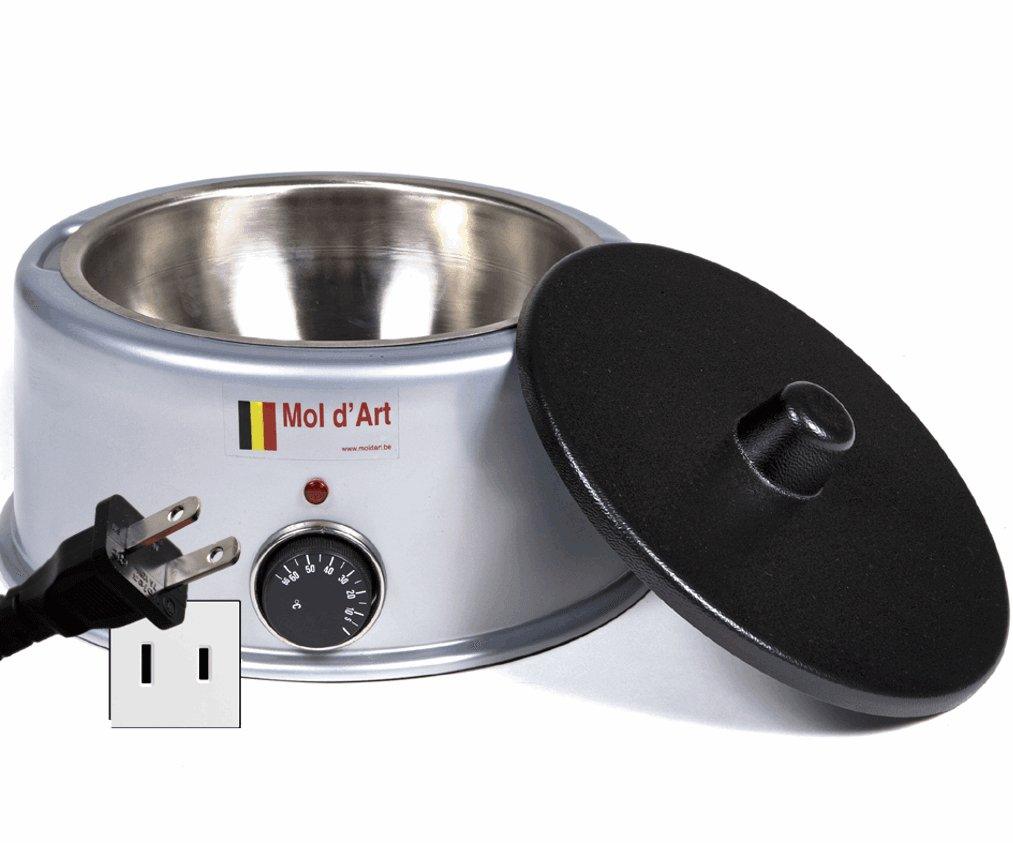
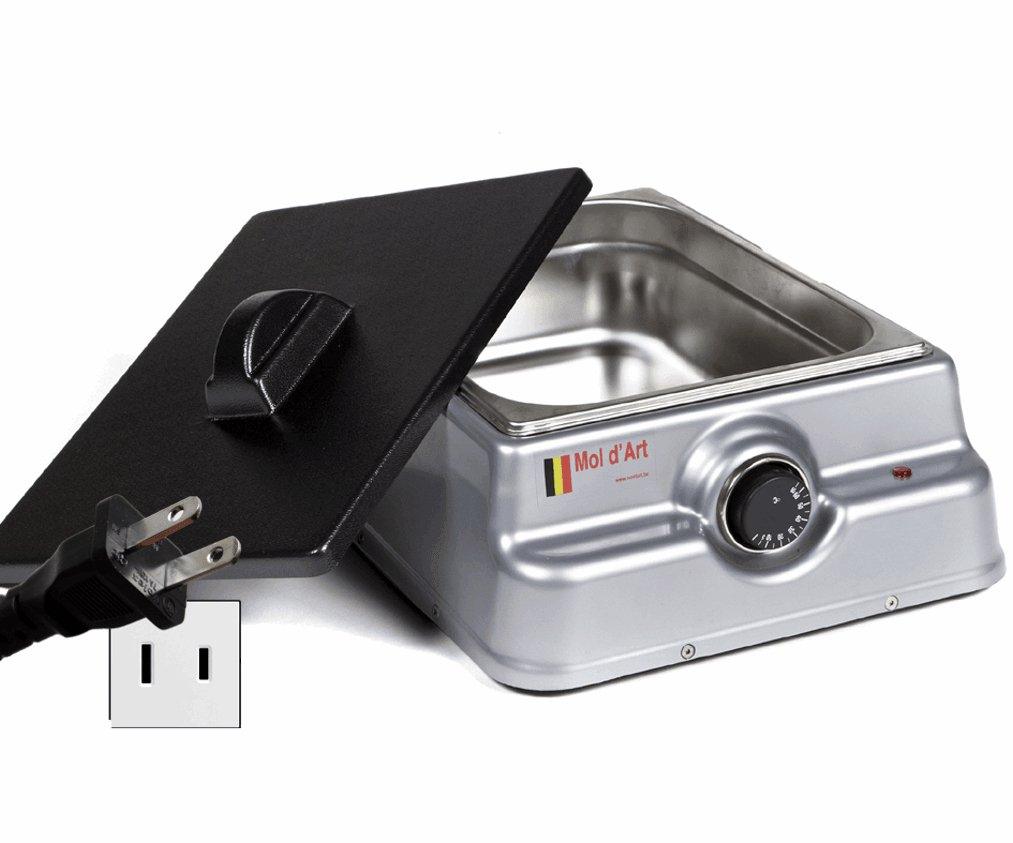
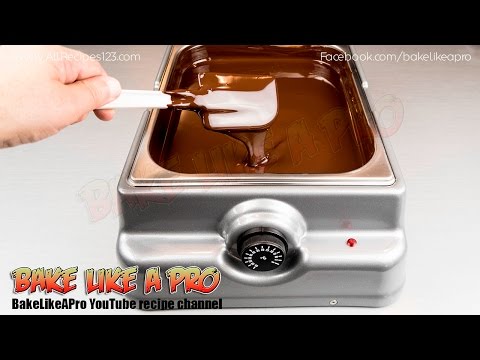
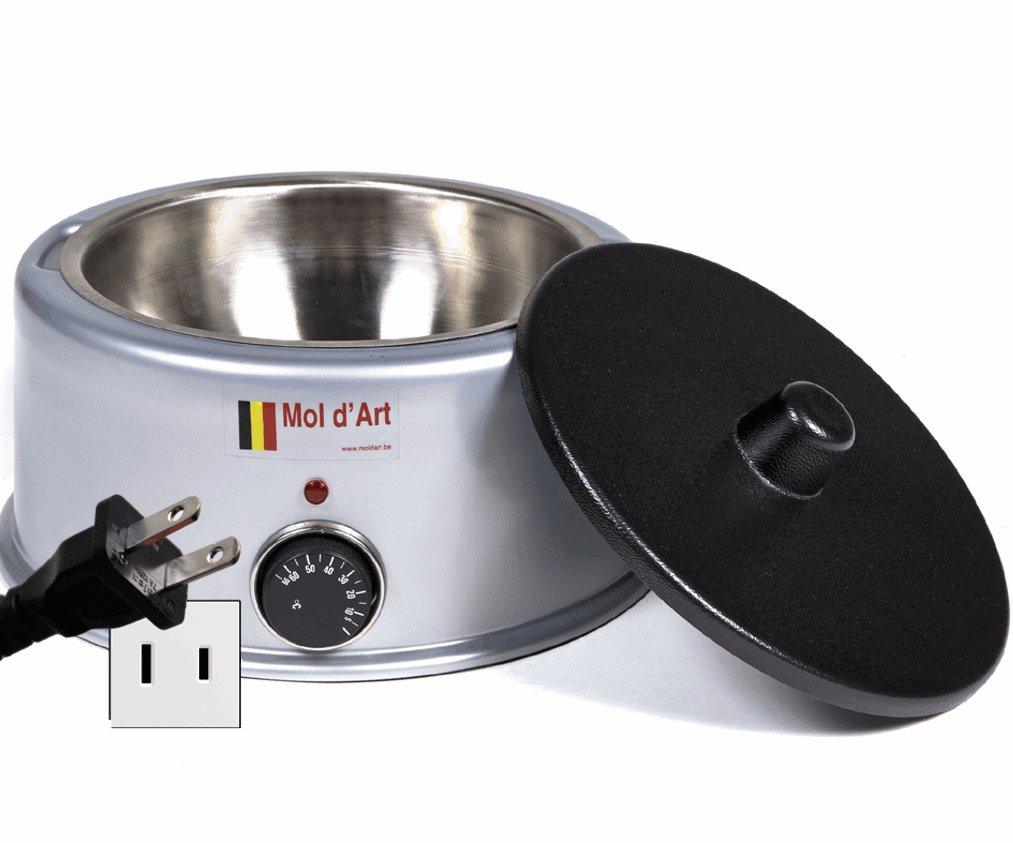
Maintaining chocolate at exact working temperatures separates frustrating production sessions from smooth workflow. Mol D'Art chocolate melters deliver the precision temperature control and build quality that professional chocolatiers demand, eliminating the constant reheating cycles and temperature guesswork that waste time and compromise chocolate quality. These Italian-engineered units provide the reliability commercial operations require when producing hundreds of dipped truffles, molded bars, or decorated pastries daily.
Why Mol D'Art Dominates Professional Kitchens
Temperature accuracy defines Mol D'Art's reputation. Digital thermostats maintain chocolate within 0.5°C of set temperatures, ensuring dark chocolate stays at perfect 31-32°C or white chocolate holds steady at 28-29°C throughout production runs. This precision prevents the overheating that damages flavor or the cooling that causes premature thickening interrupting workflow during critical production periods.
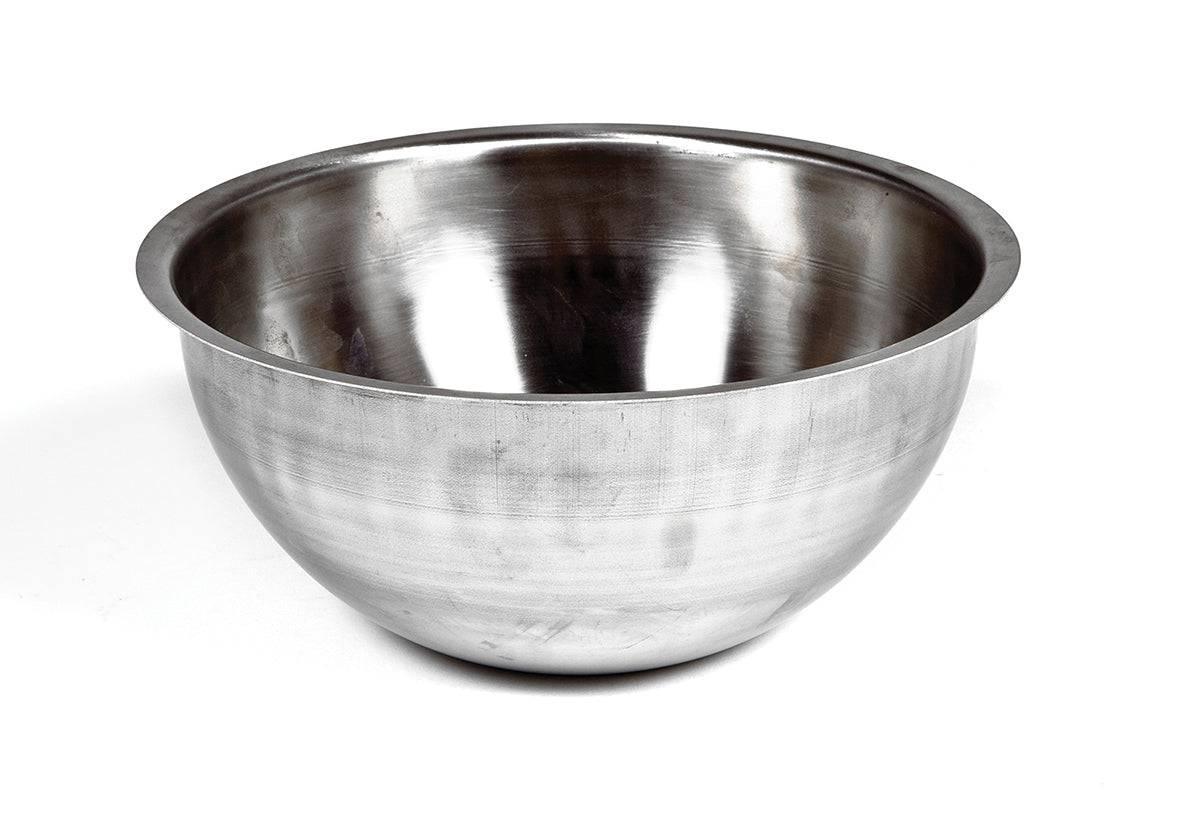
Build quality ensures longevity under commercial demands. Stainless steel construction withstands daily use without the deterioration plastic or aluminum alternatives experience. Removable bowls facilitate thorough cleaning between chocolate types, preventing flavor contamination when switching from dark to milk chocolate. These durable components justify higher initial costs through years of reliable service requiring minimal maintenance.
Capacity options match diverse operational scales. The Mol Dart Chocolate Melter 3 kg capacity suits artisan chocolatiers producing limited daily volumes, while the Chocolate Melter 6 kg capacity Mol Dart accommodates bakeries and confectioners where chocolate work constitutes substantial production activity. Right-sizing equipment prevents wasted counter space and energy heating unnecessary capacity.
Energy efficiency reduces operating costs through effective insulation retaining heat once chocolate reaches working temperatures. Rather than continuously heating, thermostatic controls cycle power maintaining set points with minimal energy consumption. This efficiency matters during extended production sessions where equipment runs for hours—lower power draw translates directly to reduced utility expenses over equipment lifespan.
Understanding Mol D'Art Design Philosophy
Italian engineering emphasizes functionality over unnecessary features. Mol D'Art melters focus exclusively on doing one thing exceptionally well—maintaining precise chocolate temperatures. This specialization creates equipment that excels at core functions rather than attempting multi-purpose capabilities that compromise primary performance.
Intuitive controls require minimal training. Simple digital displays show current temperatures clearly, while straightforward adjustment knobs enable precise temperature setting without complex programming. New staff operate equipment confidently within minutes, reducing training time while preventing the operational errors complicated controls invite.
Compact footprints suit space-limited commercial kitchens. Despite professional capacities, Mol D'Art melters occupy minimal counter space, fitting into production areas where larger equipment wouldn't work. This space efficiency proves particularly valuable for pastry operations incorporating chocolate work alongside other products without dedicating extensive areas to single-purpose equipment.
Maintenance simplicity keeps equipment operational without extensive technical knowledge. Basic cleaning using warm water and soft cloths maintains performance, while straightforward construction enables easy troubleshooting of the rare issues that arise. This serviceability prevents the extended downtime complex equipment experiences when specialized technician availability delays repairs.
Optimizing Melter Performance
Proper Chocolate Preparation
Breaking chocolate into small uniform pieces accelerates melting while preventing localized overheating. Large chunks require extended heating that risks damaging chocolate near heating elements before centers melt completely. Roughly uniform sizing—2-3cm pieces—balances melting speed against preparation time required for excessive chopping.
Filling guidelines prevent both inadequate capacity and overflow risks. Melters perform optimally when filled to 60-80% of rated capacity—sufficient chocolate for production needs without overfilling that prevents proper heat circulation. Understanding these capacity sweet spots maximizes both chocolate utilization and temperature consistency throughout the tank.
Starting with room-temperature chocolate rather than refrigerated blocks reduces melting time and thermal shock. Cold chocolate added to heated tanks requires substantial energy raising temperature, while temperature differentials stress equipment and may affect chocolate quality. Allowing chocolate to reach ambient temperature before melting creates gentler conditions producing better results.
Temperature Management Techniques
Setting appropriate temperatures for different chocolate types prevents common problems. Dark chocolate typically works best at 31-32°C, milk chocolate at 29-30°C, and white chocolate at 28-29°C. These specific ranges maintain proper viscosity without overheating that damages flavor or causes thickening from fat separation.
Monitoring chocolate throughout production ensures consistent working properties. Viscosity changes as chocolate sits—some thickening occurs naturally through cocoa butter crystallization even at proper temperatures. Periodic stirring maintains homogeneity, while small temperature adjustments compensate for gradual changes affecting workability.
Understanding the difference between melting and tempering prevents equipment misuse. Mol D'Art melters maintain temperatures but don't perform the cooling and reheating cycles tempering requires. Operations needing tempered chocolate should use melters to prepare chocolate before transferring to chocolate tempering machines for proper crystal structure development.
Integration Within Production Workflows
Positioning melters near application points minimizes chocolate transport distances. Locating equipment beside dipping stations or molding areas reduces spill risks while maintaining optimal chocolate temperatures during transfer. This strategic placement affects efficiency more than many realize—extra steps carrying chocolate across kitchens waste time while increasing contamination risks.
Supporting tools complement melter functionality. Quality pastry baking tools handle chocolate transfer and application efficiently, while proper chocolate molds receive melted chocolate prepared in commercial melters. This systems approach ensures individual equipment investments create cohesive production capabilities rather than disconnected tools.
Cleaning protocols maintain performance and prevent contamination. Daily cleaning after production prevents residue buildup affecting heat transfer while eliminating cross-contamination between chocolate types. The Mol Dart chocolate melters collection features removable bowls simplifying this essential maintenance, enabling thorough cleaning without complex disassembly procedures.
Production scheduling accounts for melting time before actual chocolate work begins. Starting melters 30-45 minutes before needed ensures chocolate reaches working temperatures when production commences rather than waiting with prepared centers while chocolate slowly melts. This timeline planning prevents the rushed situations where staff attempts using not-quite-ready chocolate producing suboptimal results.
Troubleshooting Common Challenges
Temperature fluctuations often result from inadequate chocolate volume. Melters with minimal chocolate struggle maintaining stable temperatures—thermal mass from sufficient chocolate moderates temperature swings. Maintaining at least 40-50% of rated capacity ensures thermal stability even when temporarily removing quantities for use.
Thickening chocolate might indicate temperature drift or moisture contamination. Verifying actual temperature against displayed settings using separate thermometers confirms equipment accuracy. Even slight moisture exposure causes chocolate to seize—ensuring dry utensils and avoiding steam contact prevents this common problem blamed incorrectly on equipment rather than technique.
Uneven heating suggests chocolate needs stirring or tank positioning affects performance. Periodic stirring distributes heat evenly, while ensuring melters sit level prevents chocolate pooling away from heating elements. These simple adjustments resolve most heating inconsistencies without requiring equipment service.
Making Sound Equipment Investments
Mol D'Art melters represent premium pricing reflecting quality engineering and materials. This investment delivers returns through reliability preventing the production interruptions cheaper alternatives cause. Calculating total cost of ownership over expected 8-10 year equipment lifespans reveals professional equipment's superior value despite higher purchase prices.
Capacity selection requires honest assessment of actual chocolate consumption. Operations using 2-3kg chocolate daily find 3kg melters adequate, while those consuming 5+kg benefit from 6kg units preventing constant refilling. Growth projections inform decisions—purchasing slightly larger capacity than current needs accommodates business expansion without premature replacement requirements.
Used equipment markets offer potential savings but require careful evaluation. Melters showing wear, damaged thermostats, or uncertain service histories create false economies when failures occur during critical production. When considering used equipment, thorough testing and verification of all functions prevents purchasing problems disguised as bargains.
At Zucchero Canada, we stock new Mol D'Art chocolate melters backed by manufacturer support and our technical expertise. This combination ensures equipment arrives ready for reliable service while providing ongoing support optimizing performance throughout operational life.
Achieving Chocolate Production Excellence
Quality melting equipment forms the foundation enabling consistent chocolate work that builds customer loyalty and business growth. Mol D'Art melters deliver the precision and reliability professional operations demand, eliminating temperature frustrations while supporting smooth production workflows.
Browse our Mol D'Art selection and identify equipment matching your production requirements. Our team provides guidance on capacity selection, installation recommendations, and operational techniques maximizing melter performance. For technical specifications, usage training, or assistance integrating melters within complete chocolate production systems, contact our experienced staff who understand both equipment capabilities and practical chocolate production realities.