




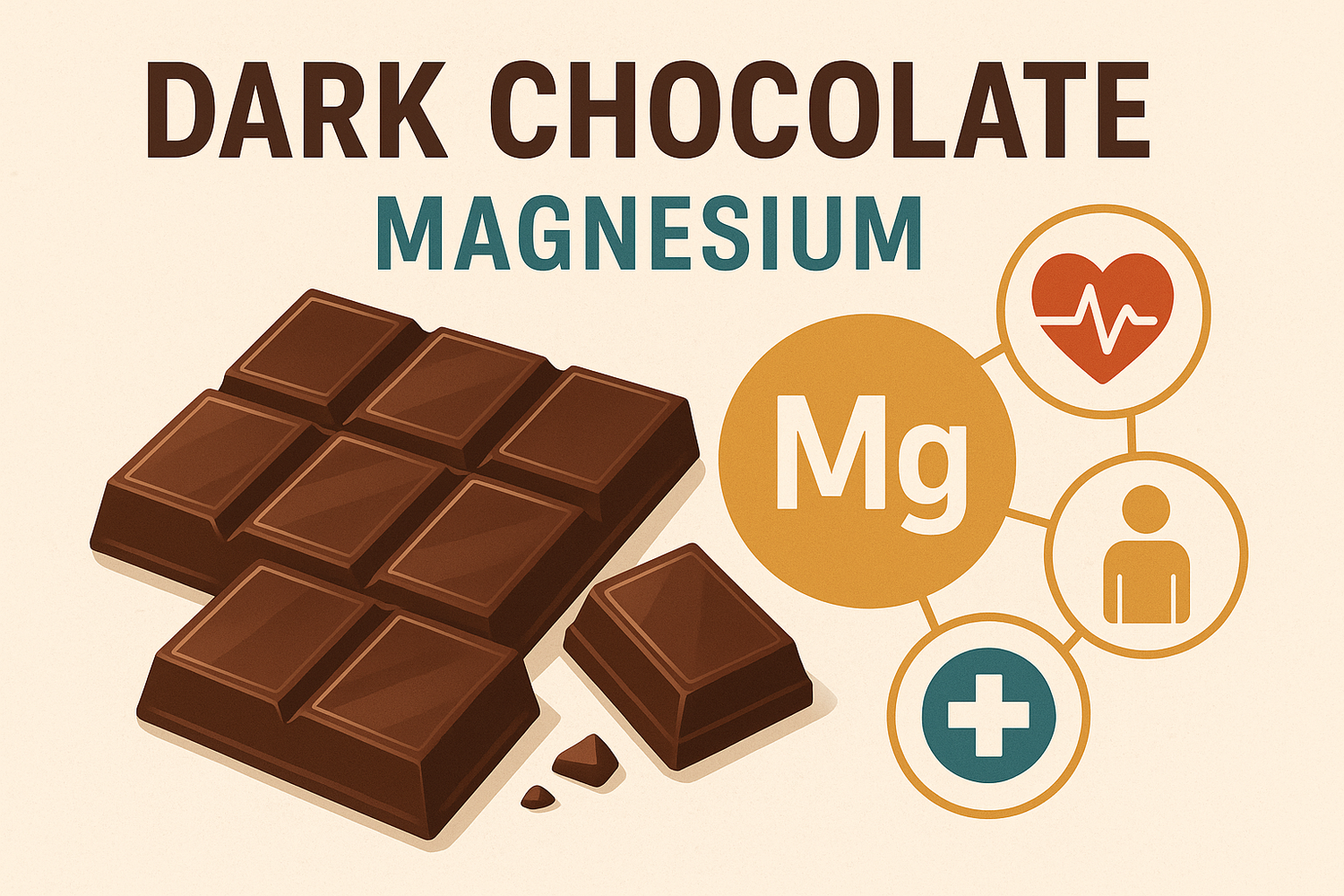
Yes — dark chocolate is one of the richest dietary sources of magnesium available. A 100g serving of 70-85% dark chocolate contains roughly 170-230mg of magnesium, making it more magnesium-dense than most nuts, legumes, or leafy greens by weight. The higher the cacao percentage, the higher the magnesium content — because magnesium lives in the cacao solids, not the sugar or dairy.
Where does the magnesium actually come from?
Magnesium in chocolate comes entirely from the cacao bean itself. It is concentrated in the cotyledon — the inner part of the bean that becomes cocoa liquor, cocoa powder, and cocoa butter after processing. Single-origin beans from mineral-rich volcanic soils, like Venezuelan cacao from the Sur del Lago or Ocumare regions, tend to express higher mineral density alongside their complex flavor profiles.
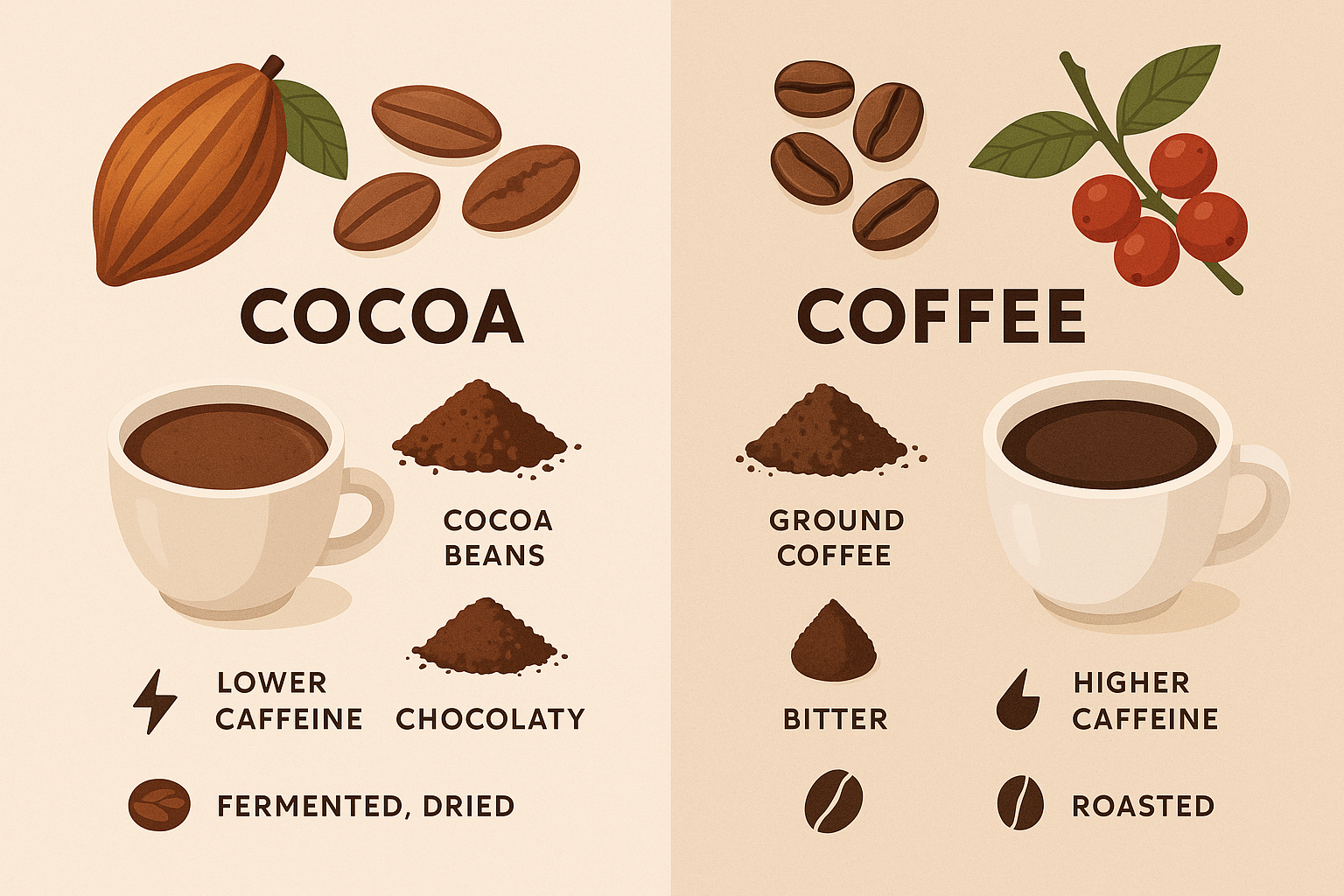
The processing chain matters too. Fermentation and drying preserve the bean's mineral content when done correctly. Natural-process, minimally alkalized cocoa powder retains significantly more flavonoids alongside its mineral content than heavily Dutched alternatives.
What this means for production
For chocolatiers and bean-to-bar makers, magnesium content is a downstream result of the choices you make upstream:
- Couverture selection: A 72% dark couverture has roughly 3-4x the magnesium of a 35% milk chocolate. If you produce health-positioned bars, origin and percentage matter on the label.
- Cocoa powder: Natural-process cocoa powder retains more than Dutch-processed. For ganaches, drinking chocolate, or dusting, the processing method affects both flavor and mineral profile.
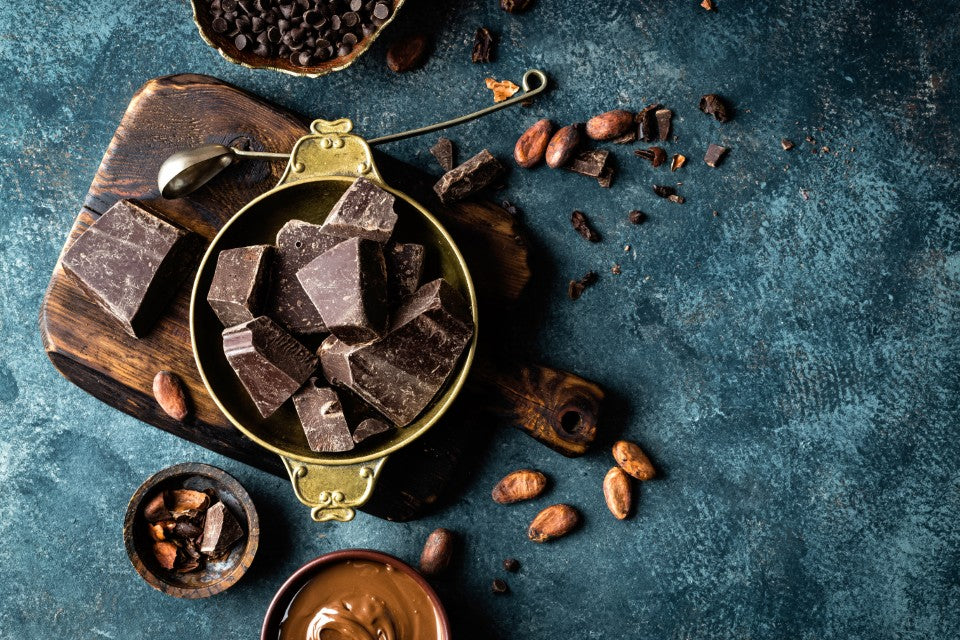
- Cocoa nibs: Pure roasted nibs are essentially unprocessed cacao — maximum fiber, maximum mineral content, zero additives. The highest-magnesium cacao ingredient available.
- Cocoa butter: Pure cocoa butter contains minimal magnesium — minerals stay in the solids fraction.
Single-origin matters more than you think
Not all dark chocolate at the same percentage delivers the same mineral profile. Terroir — soil composition, altitude, rainfall — directly influences mineral content. Venezuelan fine-flavor cacao from volcanic regions like Sur del Lago and Ocumare is consistently noted for elevated mineral expression alongside its Criollo genetic character.
Our Sur del Lago and OCUMARE beans are sourced through Canada Cacao Co. with full traceability and Certificate of Origin — controlled fermentation, natural drying, no blending with commodity cacao. We also carry Venezuelan cocoa butter, natural cocoa powder, and Venezuela cocoa nibs for professional production volumes across Canada.
The bottom line
Dark chocolate has magnesium because cacao has magnesium — and how much you get in the finished product depends on cacao percentage, origin, and how carefully the beans were processed. For chocolatiers building a product story around nutrition and provenance, it is worth understanding at the ingredient level.
Questions about sourcing single-origin Venezuelan cacao? Contact our team — we supply chocolatiers and pastry labs across Canada with full traceability documentation on every lot.
Frequently asked questions
- How much magnesium is in dark chocolate?
- A 100g serving of 70-85% dark chocolate contains roughly 170-230mg of magnesium — more than most nuts, legumes, or leafy greens by weight. The higher the cacao percentage, the higher the magnesium content, because magnesium lives in the cacao solids, not the sugar.
- Does cocoa powder have more magnesium than chocolate?
- Per gram, natural cocoa powder has more magnesium than dark chocolate because it is pure cacao solids with no fat, sugar, or dairy diluting it. Two tablespoons of natural cocoa powder delivers roughly 50-55mg of magnesium.
- Does alkalization (Dutch processing) reduce the magnesium in cocoa?
- Alkalization primarily affects flavonoids and vitamin content rather than mineral content — magnesium levels are largely preserved through Dutch processing. However, natural-process cocoa powder retains significantly more flavonoids alongside its mineral content.
- Which cacao origin has the highest magnesium content?
- Mineral content depends heavily on soil composition and terroir. Venezuelan fine-flavor cacao from volcanic regions like Sur del Lago and Ocumare is noted for elevated mineral expression alongside its Criollo genetic character, though precise levels vary by harvest and processing.







Leave a comment
All comments are moderated before being published.
This site is protected by hCaptcha and the hCaptcha Privacy Policy and Terms of Service apply.