




Understanding whether chocolate ice cream is gluten free helps people with celiac disease or gluten sensitivity enjoy frozen treats safely without risking symptoms or health complications. The answer is not straightforward—pure chocolate ice cream made from basic ingredients like milk, cream, sugar, and cocoa should be gluten free, but many commercial brands contain gluten-containing additives, mix-ins, or face cross-contamination during manufacturing that makes them unsafe for people requiring strict gluten avoidance. This comprehensive guide examines which chocolate ice cream brands are reliably gluten free, identifies hidden gluten sources in ice cream products, explains how to read labels for gluten-free verification, and provides recipes for making safe homemade chocolate ice cream.
Understanding Gluten in Ice Cream
Gluten—a protein found naturally in wheat, barley, rye, and triticale—doesn't occur in ice cream's core ingredients but enters products through additives, flavorings, and manufacturing processes requiring careful investigation.

Naturally Gluten-Free Ice Cream Ingredients
Pure chocolate ice cream's basic components including milk, cream, sugar, cocoa powder, and vanilla extract contain no gluten whatsoever. Quality chocolate products used in ice cream production are inherently gluten free when made from pure cacao without contaminated processing. Eggs, common in premium ice cream bases, also lack gluten naturally.
However, commercial ice cream rarely contains only these simple ingredients. Stabilizers, emulsifiers, and flavoring compounds added to improve texture, extend shelf life, or enhance taste frequently introduce gluten or cross-contamination risks that transform otherwise safe products into problematic foods for gluten-sensitive consumers.
Common Gluten Sources in Chocolate Ice Cream
Cookie pieces, brownie chunks, cake bits, or wafer inclusions obviously contain gluten from wheat flour used in baked goods. These mix-ins appear clearly in ingredient lists and on product packaging, making them relatively easy to identify and avoid. However, less obvious gluten sources create hidden dangers requiring vigilant label reading.
Malt flavoring or malted milk powder—derived from barley—contains gluten despite appearing in small amounts. Many chocolate ice creams use malt to create richer flavor profile or enhance chocolate notes, making malt-containing varieties off-limits for gluten-free diets. Natural flavors and artificial flavors may contain gluten-derived ingredients not disclosed in simplified ingredient lists, requiring manufacturer verification.
Manufacturing facilities processing both gluten-free and gluten-containing products create cross-contamination risks even in theoretically safe formulations. Shared equipment, production lines, or storage areas transfer trace gluten amounts sufficient to trigger reactions in highly sensitive individuals.
|
Ingredient/Factor |
Gluten Risk |
Common In |
What to Look For |
|
Pure cocoa/chocolate |
None |
All chocolate ice cream |
Check processing facility |
|
Cookie/brownie pieces |
High |
Premium/mix-in varieties |
Obvious in name/ingredients |
|
Malt flavoring |
High |
Some chocolate varieties |
"Malt" or "barley malt" on label |
|
Stabilizers/thickeners |
Low-Moderate |
Most commercial brands |
Specific gum types generally safe |
|
Natural flavors |
Unknown |
Many brands |
Contact manufacturer |
|
Cross-contamination |
Variable |
Non-dedicated facilities |
Look for gluten-free certification |
Reading Labels for Gluten-Free Verification
Careful label examination provides first line of defense against gluten exposure, with specific claims and certifications offering varying levels of safety assurance for gluten-free consumers.

Understanding Gluten-Free Claims
Products labeled "gluten free" must contain less than twenty parts per million (ppm) of gluten according to FDA regulations. This standard provides adequate safety for most celiac disease patients, though some extremely sensitive individuals react to levels below this threshold. Look for explicit "gluten free" statements on packaging rather than assuming absence of wheat ingredients equals gluten-free status.
"Made in a gluten-free facility" or "dedicated gluten-free equipment" statements provide additional assurance beyond basic gluten-free labeling. These claims indicate manufacturer takes cross-contamination prevention seriously, implementing procedures protecting product integrity throughout production process.
Third-Party Certification Symbols
Gluten-Free Certification Organization (GFCO) symbol indicates products meet stricter ten ppm standard through regular testing and facility inspections. This certification provides highest confidence level for consumers requiring absolute gluten avoidance. Other recognized certifications include the Crossed Grain symbol from Coeliac UK and similar marks from national celiac organizations.
Products without gluten-free certification aren't necessarily unsafe but lack independent verification of gluten-free status. For people with celiac disease who experience symptoms from cross-contamination, certified products offer peace of mind worth seeking out despite potentially higher costs.

Safe Chocolate Ice Cream Brands
Several ice cream manufacturers produce reliably gluten-free chocolate varieties through careful ingredient selection and dedicated production practices ensuring cross-contamination prevention.
Ben & Jerry's clearly labels gluten-free flavors including some chocolate varieties, though not all chocolate options qualify due to cookie dough or brownie inclusions. Check individual flavor listings rather than assuming all chocolate flavors are safe. Häagen-Dazs chocolate ice cream typically contains only milk, cream, sugar, cocoa, and eggs—all naturally gluten-free ingredients—though always verify current formulations as recipes change.
Many store-brand chocolate ice creams use simple ingredient lists without gluten-containing additives, but manufacturing facility information often remains unclear. Contact customer service to inquire about gluten-free production practices before assuming safety based solely on ingredient lists lacking obvious gluten sources.
Making Homemade Gluten-Free Chocolate Ice Cream
Creating chocolate ice cream at home guarantees gluten-free status while allowing complete control over ingredients, sugar content, and flavor intensity that commercial products can't match.
Basic Chocolate Ice Cream Recipe
Combine two cups heavy cream, one cup whole milk, three-quarters cup sugar, and half cup unsweetened cocoa powder in saucepan. Heat mixture over medium heat, whisking constantly until sugar and cocoa dissolve completely—approximately five to seven minutes. Remove from heat, stir in two teaspoons vanilla extract, then refrigerate until completely cold—at least four hours or overnight.
Pour chilled mixture into ice cream maker and churn according to manufacturer directions until thick and creamy—typically twenty to thirty minutes. Transfer to freezer-safe container and freeze until firm—approximately four hours. This basic recipe produces rich chocolate ice cream using quality cocoa powder without any gluten risk.

Premium Chocolate Ice Cream with Mix-Ins
For more luxurious texture, make custard base by whisking four egg yolks with sugar before adding to heated cream mixture. Cook custard to one hundred seventy degrees Fahrenheit, stirring constantly to prevent curdling. This French-style ice cream delivers silkier mouthfeel rivaling premium commercial brands.
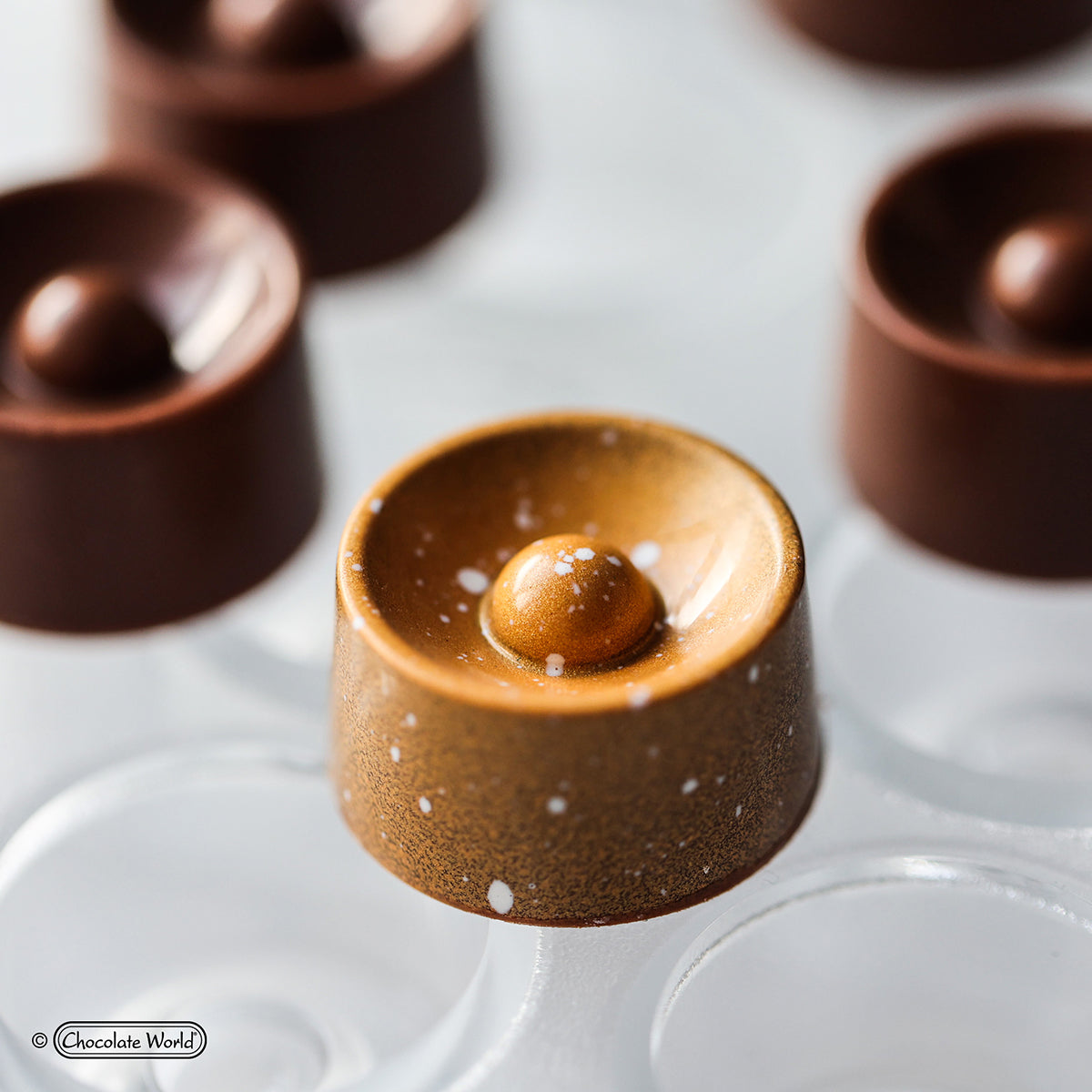
Add gluten-free mix-ins after churning but before final freezing. Chopped gluten-free chocolate, toasted nuts, or coconut flakes create textured ice cream without gluten contamination. Use chocolate molds to create custom chocolate pieces perfectly sized for ice cream incorporation.
Hidden Gluten Sources to Watch For
Beyond obvious cookie or cake inclusions, several subtle gluten sources appear in chocolate ice cream requiring careful attention from gluten-sensitive consumers.
Flavoring Compounds
Malt extract or barley malt syrup enhance chocolate flavor in some premium brands, adding depth and complexity that comes at cost of gluten introduction. These ingredients may appear in small amounts near end of ingredient lists where they're easily overlooked by quick scanning. Always read complete ingredient lists thoroughly rather than stopping after first few items.
Natural chocolate flavor or natural vanilla flavor may contain gluten-derived carriers or processing aids not disclosed in ingredient lists. When ingredients lists include "natural flavors" without specificity, contact manufacturer to verify gluten-free status before consuming.

Stabilizers and Thickeners
Common ice cream stabilizers including guar gum, carrageenan, locust bean gum, and xanthan gum are gluten free and pose no risk. However, some modified food starches derive from wheat, creating gluten contamination. Modified food starch in United States must specify source if derived from wheat, but imported products may not provide this clarity.
Cross-Contamination During Service
Even certified gluten-free chocolate ice cream becomes unsafe when scooped with utensils contaminated by previous contact with gluten-containing flavors. Ice cream shops using shared scoops and display cases create cross-contamination environment where nominally safe flavors pick up gluten from cookie dough or brownie batter varieties.
Request fresh scoop from back storage area or ask staff to wash scoop thoroughly before serving your ice cream. Better yet, purchase pre-packaged pints avoiding service-related cross-contamination entirely.
Chocolate Ice Cream Alternatives
Several chocolate frozen desserts provide alternatives to traditional ice cream while maintaining gluten-free safety for people who prefer dairy-free options or want variety.
Chocolate sorbet contains no dairy, using chocolate, sugar, and water as primary ingredients. This naturally gluten-free option delivers intense chocolate flavor without cream's richness. Verify commercial sorbets don't contain malt or other gluten additives despite dairy-free formulation.
Coconut milk-based chocolate ice cream offers creamy dairy-free alternative using coconut cream, cocoa, and sweeteners. Many brands specifically target allergen-conscious consumers, producing certified gluten-free products in dedicated facilities free from top eight allergens including wheat.
Dining Out Safely with Gluten-Free Needs
Restaurant and ice cream shop chocolate ice cream presents higher risk than grocery store products due to limited ingredient transparency and cross-contamination during storage and service.
Ask to see ingredient lists or allergen information before ordering. Reputable establishments maintain detailed ingredient documentation accessible to customers with dietary restrictions. If staff cannot provide this information or seems uncertain, choosing different establishment protects your health better than risking exposure.
Explain celiac disease severity to staff, requesting they use clean scoop and avoid contaminated display cases. Many ice cream shops will accommodate by retrieving ice cream from sealed containers in back rather than serving from customer-facing displays where cross-contamination inevitably occurs.
Making Informed Choices
Staying current with product formulations helps maintain gluten-free safety as manufacturers reformulate products without announcement or obvious packaging changes.
Check ingredient lists each purchase even for previously safe brands, as reformulations happen regularly without consumer notification. Manufacturers add new mix-ins, change suppliers, or modify stabilizer blends affecting gluten-free status without updating front-of-package labeling.
Join celiac disease support groups or follow gluten-free communities sharing information about safe products and recent formulation changes. These resources provide collective knowledge base helping individuals navigate constantly evolving product landscape more safely than relying solely on personal label reading.

Creating Gluten-Free Chocolate Desserts
Beyond ice cream, many chocolate desserts accommodate gluten-free diets through careful ingredient selection and preparation in uncontaminated environments.
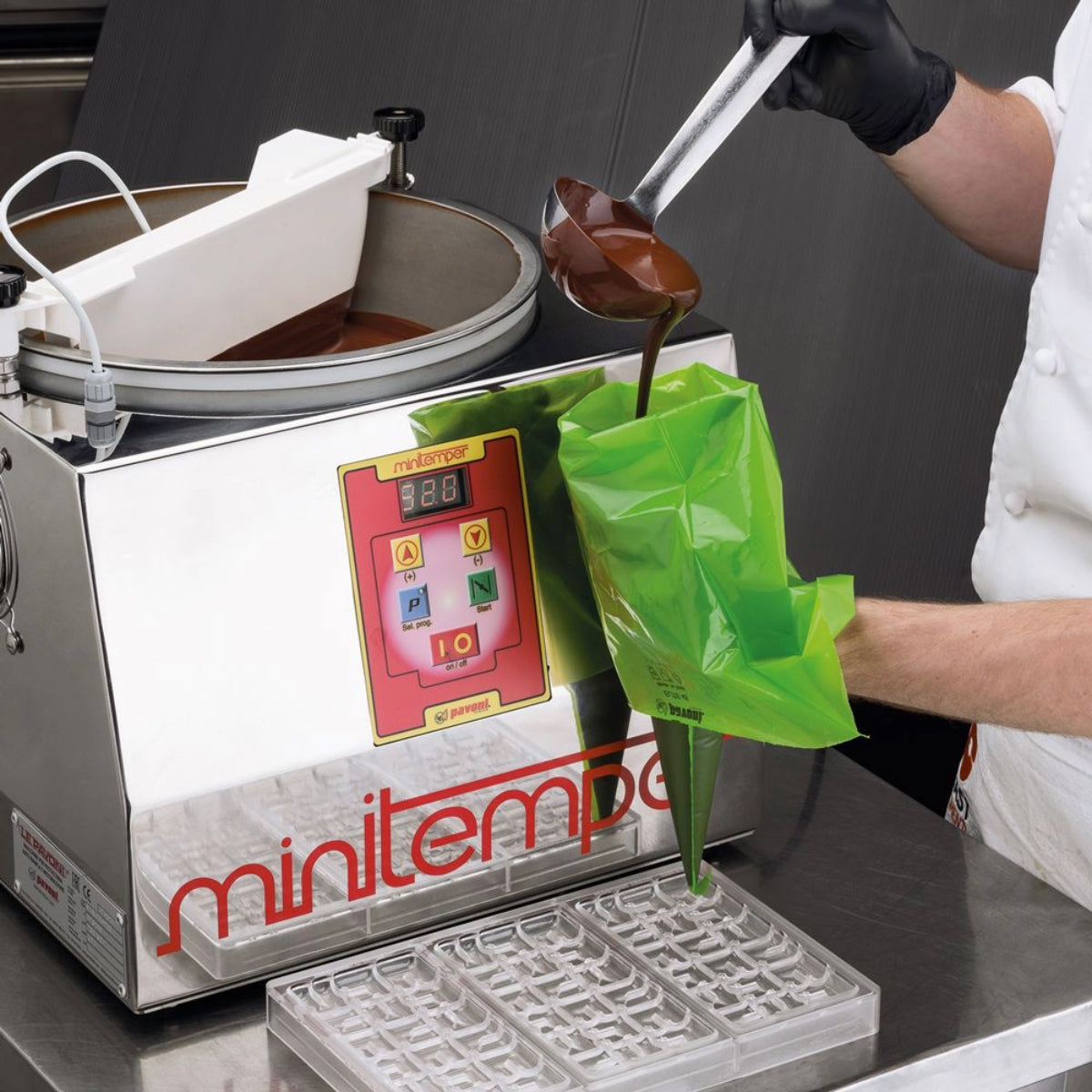
Make homemade chocolate treats using gluten-free flour blends or almond flour replacing wheat flour in brownies, cakes, and cookies. Use professional equipment designated exclusively for gluten-free baking preventing cross-contamination from previous gluten-containing preparations.
Premium chocolate products made from pure cacao without gluten-containing processing aids provide safe foundation for countless gluten-free chocolate creations. Verify chocolate processed in dedicated gluten-free facilities when working with severe celiac disease requiring absolute contamination prevention.
Resources for Gluten-Free Living
Navigating gluten-free diet requires ongoing education and access to reliable information sources beyond initial diagnosis education.
Celiac Disease Foundation and Beyond Celiac provide comprehensive resources including safe food lists, restaurant guides, and updates on gluten-free regulations affecting product safety. These organizations advocate for celiac disease patients while educating consumers about maintaining strict gluten-free diets.
Registered dietitians specializing in celiac disease offer personalized guidance about food selection, label reading, and nutritional adequacy of gluten-free diets. Professional consultation helps newly diagnosed individuals avoid common pitfalls while ensuring dietary completeness during transition period.
Understanding that chocolate ice cream is not automatically gluten free prevents dangerous assumptions while empowering informed choices that protect health. Pure chocolate ice cream made from milk, cream, sugar, and cocoa contains no gluten naturally, but commercial products frequently include malt flavoring, cookie pieces, or face cross-contamination making them unsafe for celiac disease patients. Reading labels carefully for gluten-free claims, third-party certifications, and complete ingredient lists identifies safe products while manufacturer contact verifies ambiguous ingredients. Creating homemade chocolate ice cream using quality ingredients guarantees gluten-free status while delivering superior flavor and texture customized to personal preferences. For premium chocolate products, professional tools, and quality ingredients supporting gluten-free chocolate creations, explore selections at Zuccherocanada.ca where chocolate excellence meets dietary safety and uncompromising quality.
References:
Celiac Disease Foundation. (2024). Gluten-free diet guide. CDF.
FDA. (2023). Gluten-free labeling of foods. U.S. Food and Drug Administration.
Gluten-Free Certification Organization. (2024). GFCO certification standards. GFCO.
Thompson, T. (2023). Gluten contamination in the food supply. Journal of the Academy of Nutrition and Dietetics, 123(4), 612-625.









Leave a comment
All comments are moderated before being published.
This site is protected by hCaptcha and the hCaptcha Privacy Policy and Terms of Service apply.