



Red food colouring comes from several different sources depending on whether it is natural or synthetic — and the distinction matters increasingly for food businesses serving customers who read ingredient labels. This guide covers what red food colouring is actually made from, the regulatory landscape in Canada, and the professional alternatives used by chocolatiers and pastry chefs who need colour that works specifically in chocolate and fat-based applications.
Natural red food colouring: what it is made from
Natural red colorants come from plant, mineral, or insect sources. The most common:
| Source | Colorant | Notes |
| Beetroot (Beta vulgaris) | Betanin (E162) | Water-soluble. Common in baking, beverages, dairy. Fades with heat and light. |
| Carmine / cochineal | Carminic acid (E120) | Derived from cochineal insects. Stable, widely used. NOT vegan. |
| Anthocyanins | E163 (various) | From red cabbage, elderberry, grape skin. pH-sensitive. |
| Paprika extract | Capsanthin (E160c) | Orange-red. Heat stable. Common in savory applications. |
| Lycopene | E160d | From tomato. Limited use in confectionery. |
| Plant-based concentrates | Various | Cherry, hibiscus, strawberry extracts. Vary in stability and intensity. |
Synthetic red food colouring
Synthetic dyes are petroleum-derived and include Allura Red (Red 40 / E129), Carmoisine (E122), and Ponceau 4R (E124). They are more heat-stable, more intense, and cheaper than natural alternatives. However, they are increasingly scrutinized by consumers and regulators. Several synthetic dyes require warning labels in the EU. In Canada, synthetic food dyes must be declared by name on ingredient labels.
For food businesses serving health-conscious, vegan, or clean-label customers, synthetic dyes are increasingly a liability on the ingredient list.
E171: the titanium dioxide issue
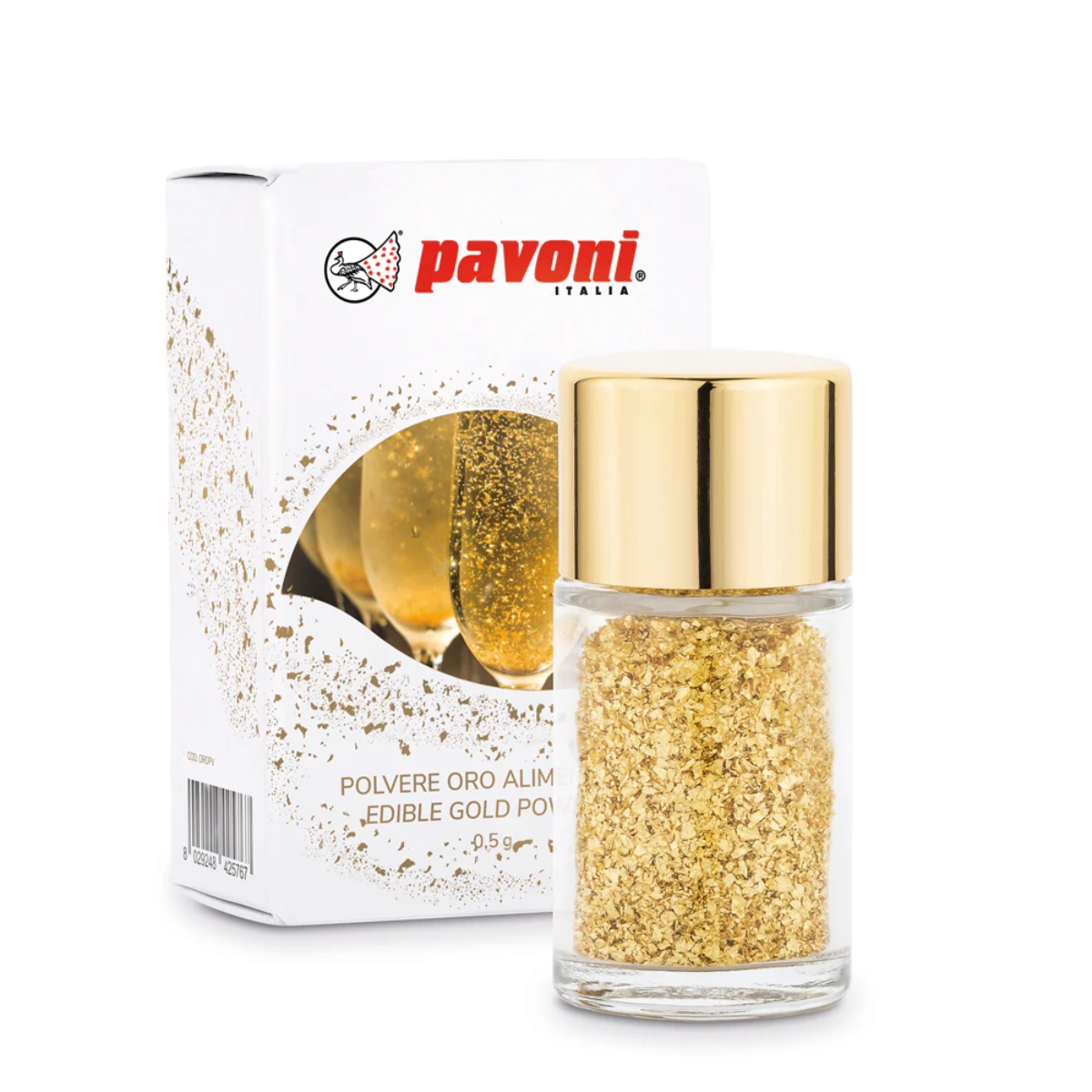
E171 (titanium dioxide) is a white colorant used to brighten other colors including pinks and reds. The EU banned E171 in food in 2022 following safety concerns. Canada has not banned it but it remains under regulatory review. All Pavoni Italia colorants we carry are E171-free.
Why standard food colouring does not work in chocolate
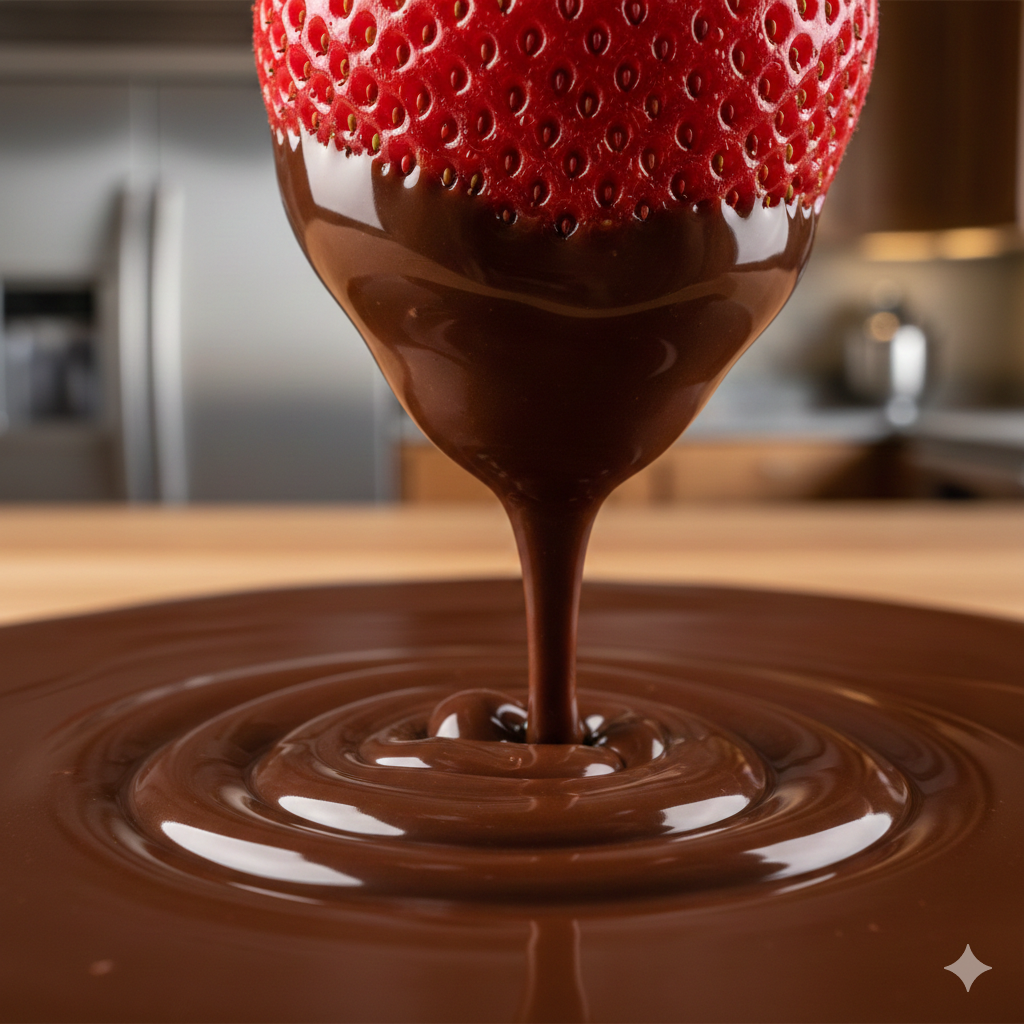
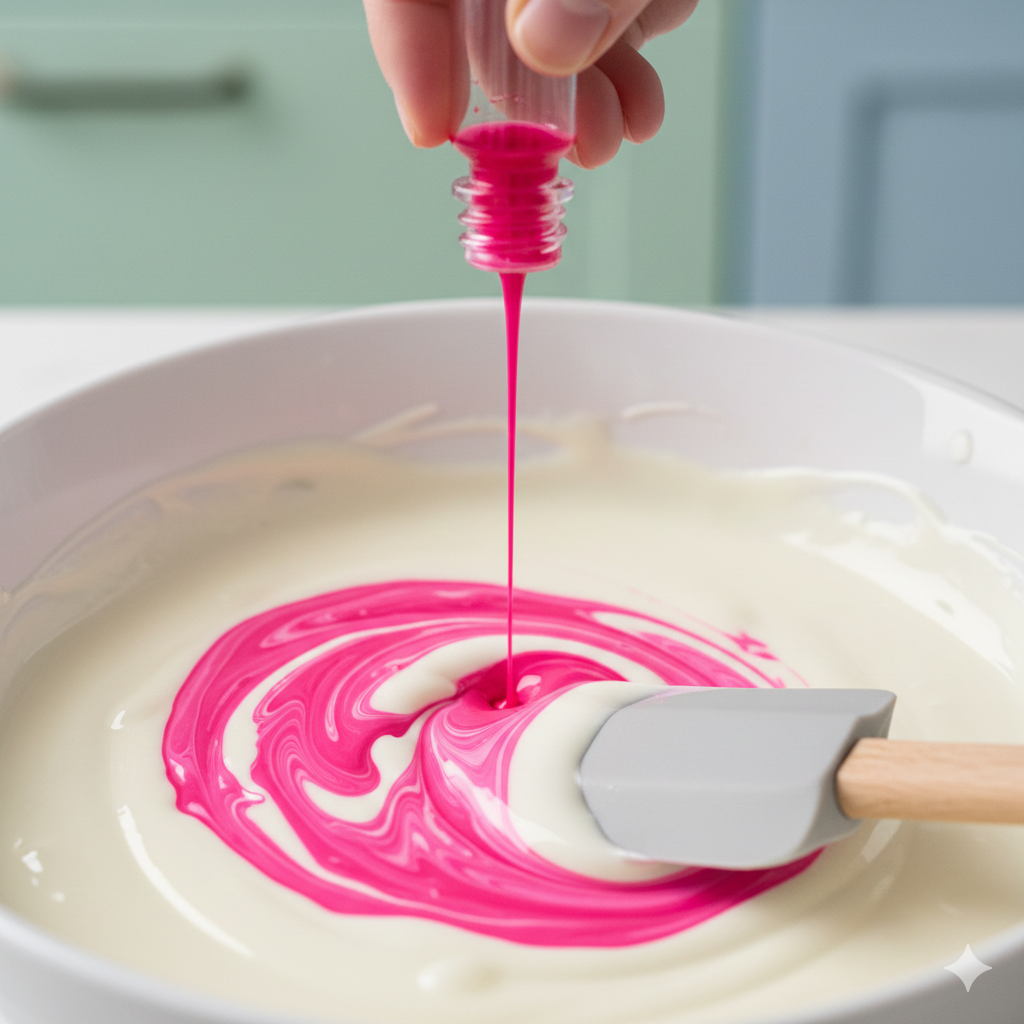
Standard water-based food colouring does not work in chocolate. Chocolate is a fat-based medium — any water contact causes the chocolate to seize. Water-soluble colorants including beetroot juice, standard gel food colours, and liquid food dyes will ruin melted chocolate immediately.
For chocolate and cocoa butter applications, you need fat-soluble colorants — either cocoa butter-based liquids or fat-soluble powders that disperse in fat without introducing water.
Professional chocolate colouring: Pavoni Italia Chocolart and Seasons
Pavoni Italia produces two professional lines of food colouring specifically formulated for chocolate and pastry work, both E171-free and available through Zucchero Canada:
Chocolart — Professional Cocoa Butter Colors
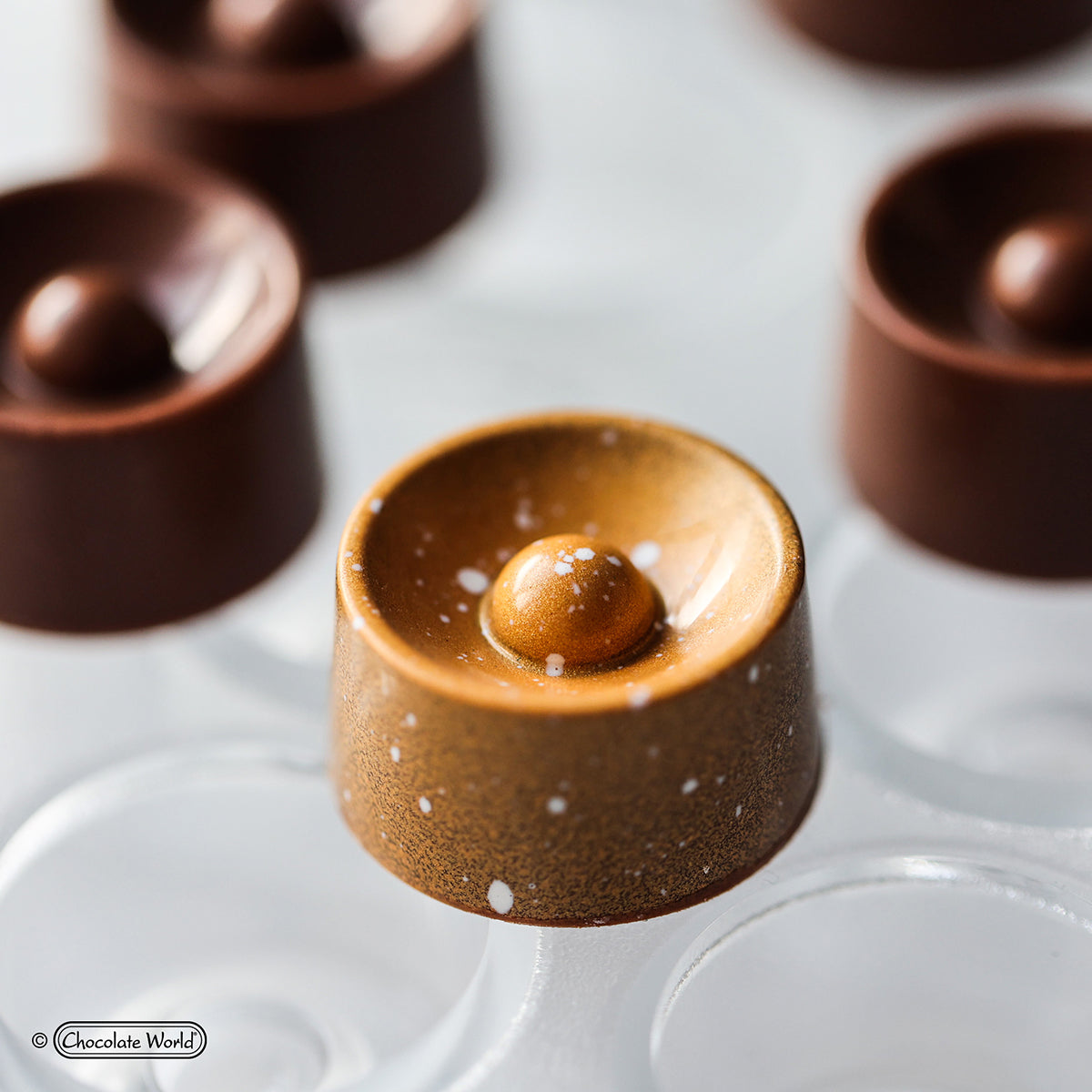
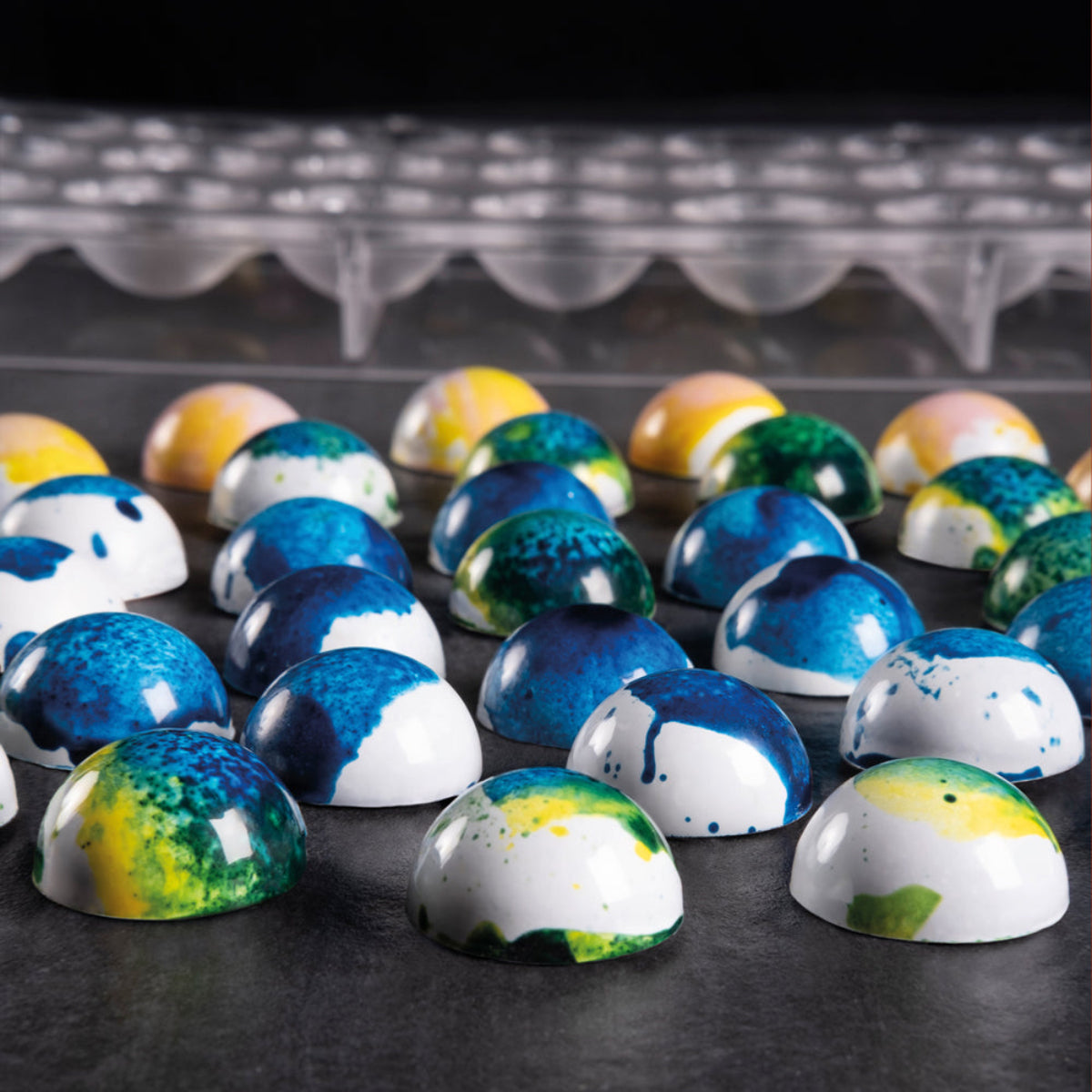
Ready-to-use cocoa butter color concentrates. Melt at 30–32°C and apply directly to polycarbonate mold cavities by brush or airbrush before filling with tempered chocolate. The color bonds to the chocolate shell as it sets, creating the mirror-finish colored bonbon effect used in professional chocolaterie.
Available colors include: Apple Green, Green, Blue, Lemon Yellow, Egg Yellow, Orange, Black, White, Pink, Red, Lilac, Gold, Bronze, Ruby — 200g bottles, $79.99–$109 CAD. Also available as fat-soluble powders (40g, $46.99 CAD) for mixing into cocoa butter or chocolate mass.
Browse Chocolart cocoa butter colors
Seasons — Natural Plant-Based Colors (Vegan, E171-Free)
The Seasons line uses plant-extract colorants in the same cocoa butter and powder formats as Chocolart — no synthetic dyes, no carmine, no E171. Specifically formulated for chocolate, glazes, doughs, and pastry applications.
For bakeries and chocolatiers serving vegan customers or building a clean-label product story, Seasons allows you to list natural colour (plant extract) on your ingredient declaration instead of synthetic dye codes or carmine.
Seasons Natural Cocoa Butter Concentrates (200g, $69–$83 CAD): 10 colors including Apple Green, Blue, Cherry Red, Orange, Purple, Pink, Red.
Seasons Natural Powder Concentrates (80g, $44.99–$60.99 CAD): 8 colors for glazes, doughs, creams, and viennoiserie.
Choosing the right format
| Application | Recommended format | Line |
| Colored bonbons (polycarbonate molds) | Cocoa butter liquid — brush or airbrush into cavity | Chocolart or Seasons |
| Full-color chocolate mass | Fat-soluble powder dissolved in cocoa butter | Chocolart or Seasons powder |
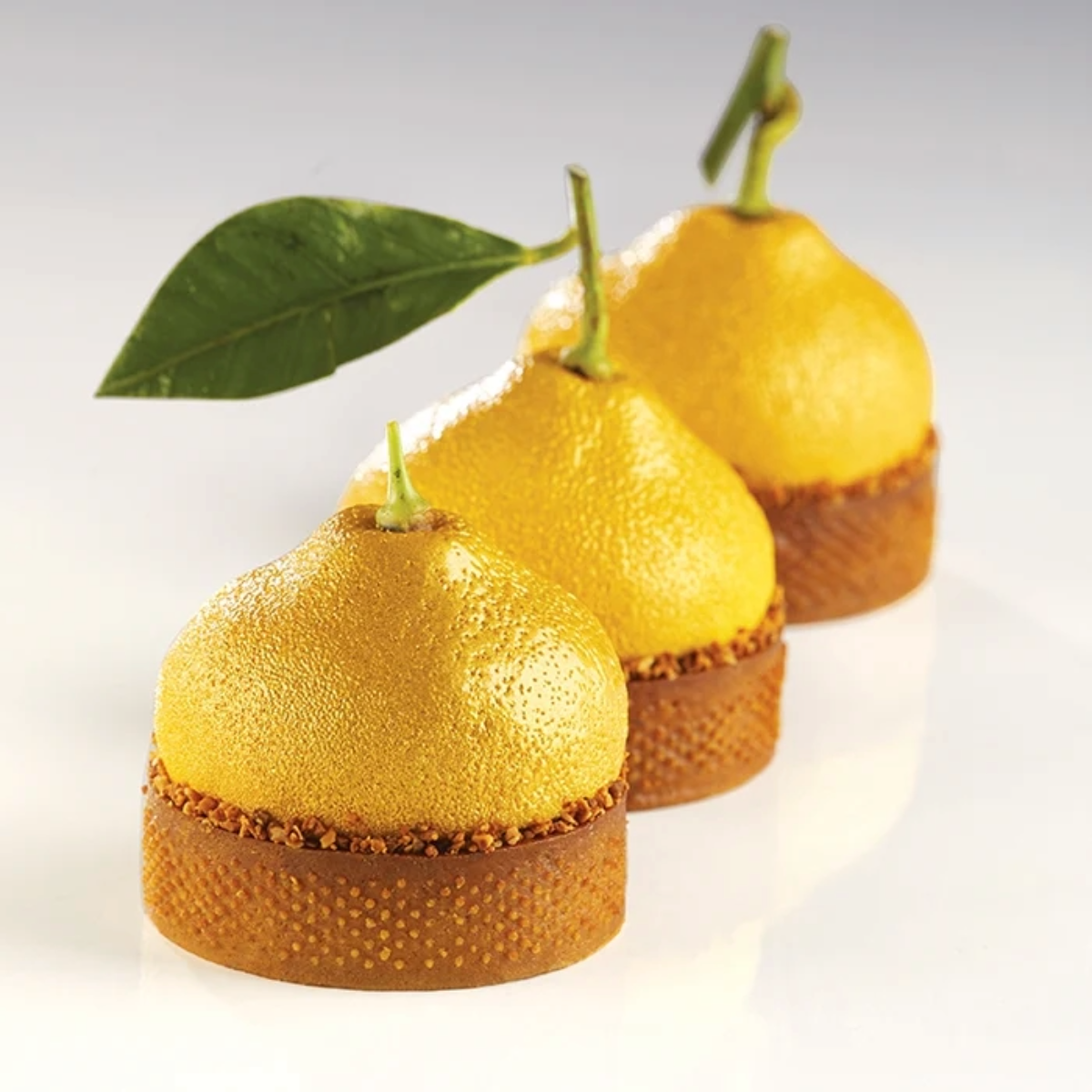
| Velvet spray finish on entremets | Dolce Velluto velvet sprays | Chocolart |
| Colored glazes and doughs | Natural powder concentrate | Seasons powder |
| Vegan and clean-label products | Seasons line (plant-based, E171-free) | Seasons |
Availability at Zucchero Canada
We carry the full Pavoni Italia Chocolart and Seasons color ranges — stocked in Calgary, shipping across Canada. Both lines are E171-free and professionally formulated for chocolate and pastry production. Priority allocation available for professional quantities.
Contact our team for volume pricing.







Leave a comment
All comments are moderated before being published.
This site is protected by hCaptcha and the hCaptcha Privacy Policy and Terms of Service apply.