



Professional Chocolate Tempering Machine Comparison: Pavoni, Bilait, Pomati, Chocolate World and FBM
Every professional chocolate tempering machine we sell, from the 3 kg Pavoni MiniTemper to the 80 kg Chocolate World CW80, compared by tank, hourly output, power and power supply, with which machin...
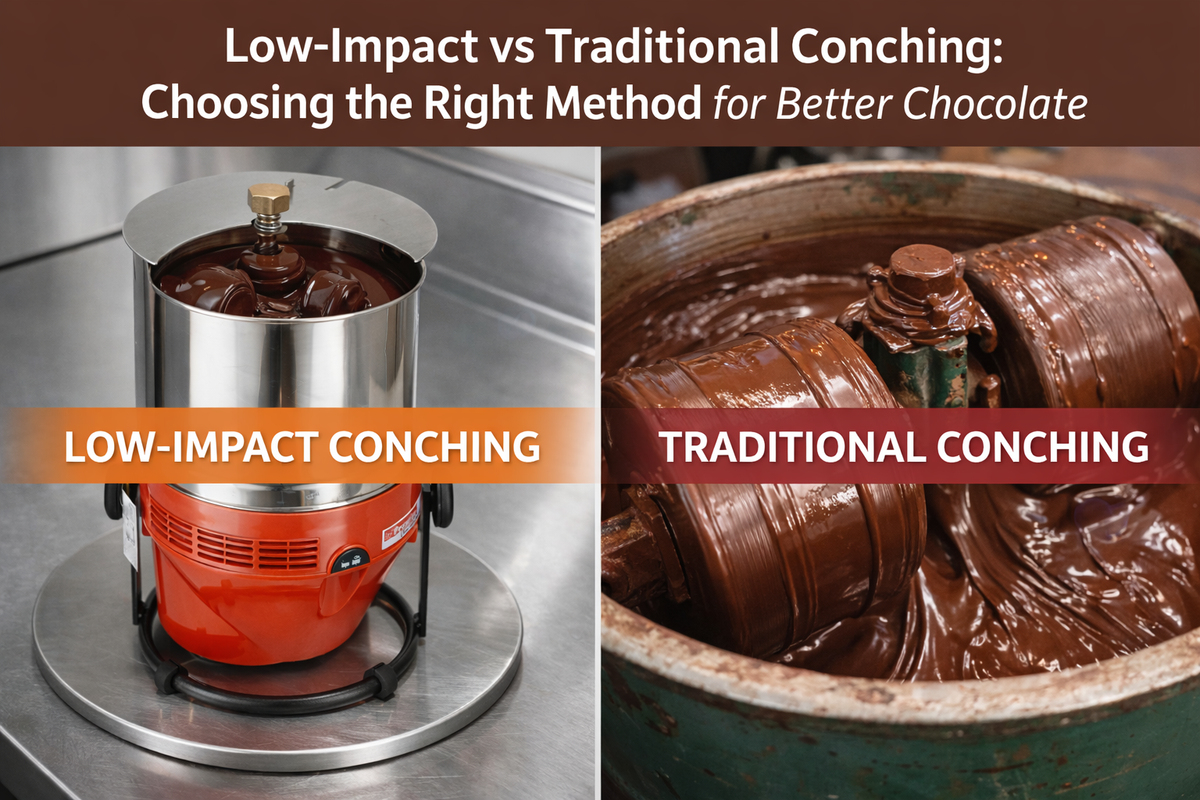
Low-Impact vs Traditional Conching: Which Method Fits Your Chocolate?
Low-impact conching trades time for aroma; high-energy conching trades aroma for speed. See what a 200 kg research trial measured, which method fits your beans, and which conche fits your batch size.
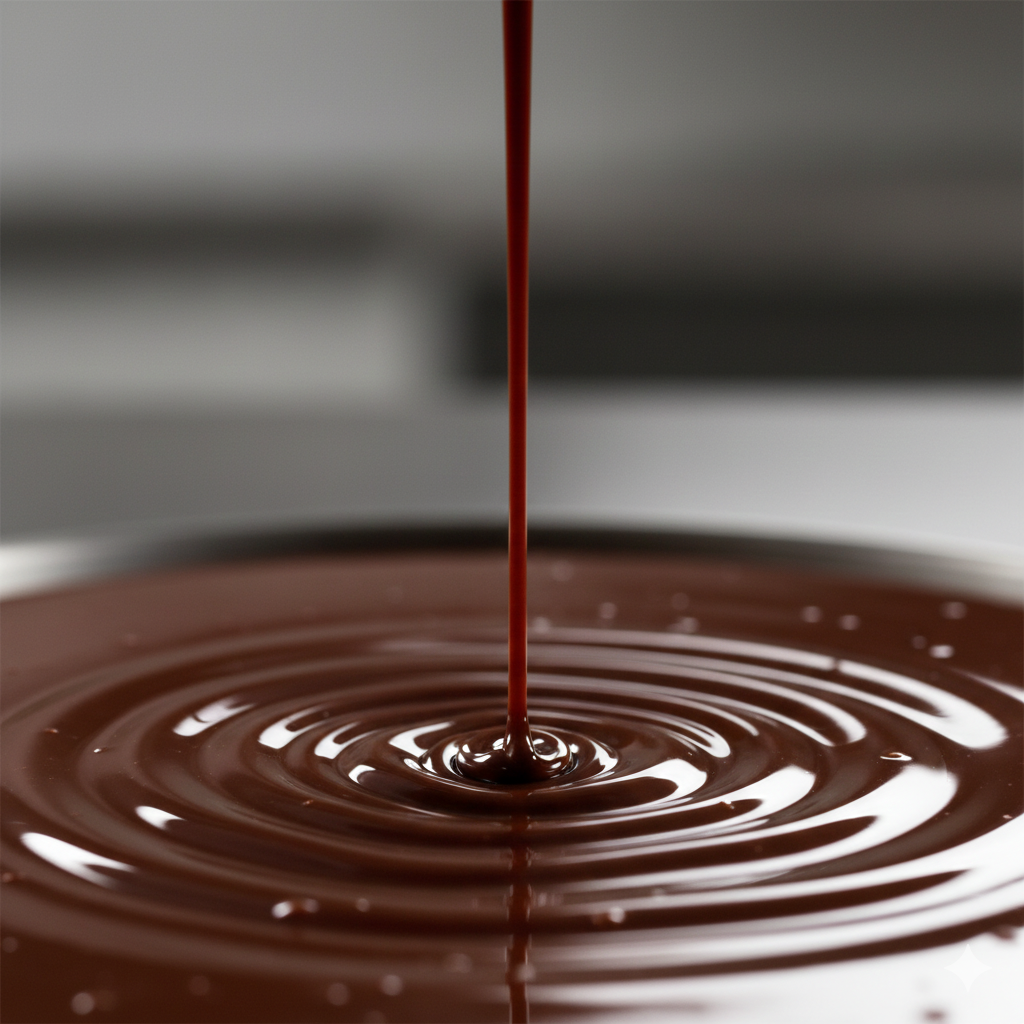
Chocolate Viscosity: What It Is, Why It Matters and How to Control It
Chocolate viscosity explained for producers: yield value and plastic viscosity, why flow matters for moulding and enrobing, what cocoa butter, particle size, moisture, lecithin, PGPR and temper do ...
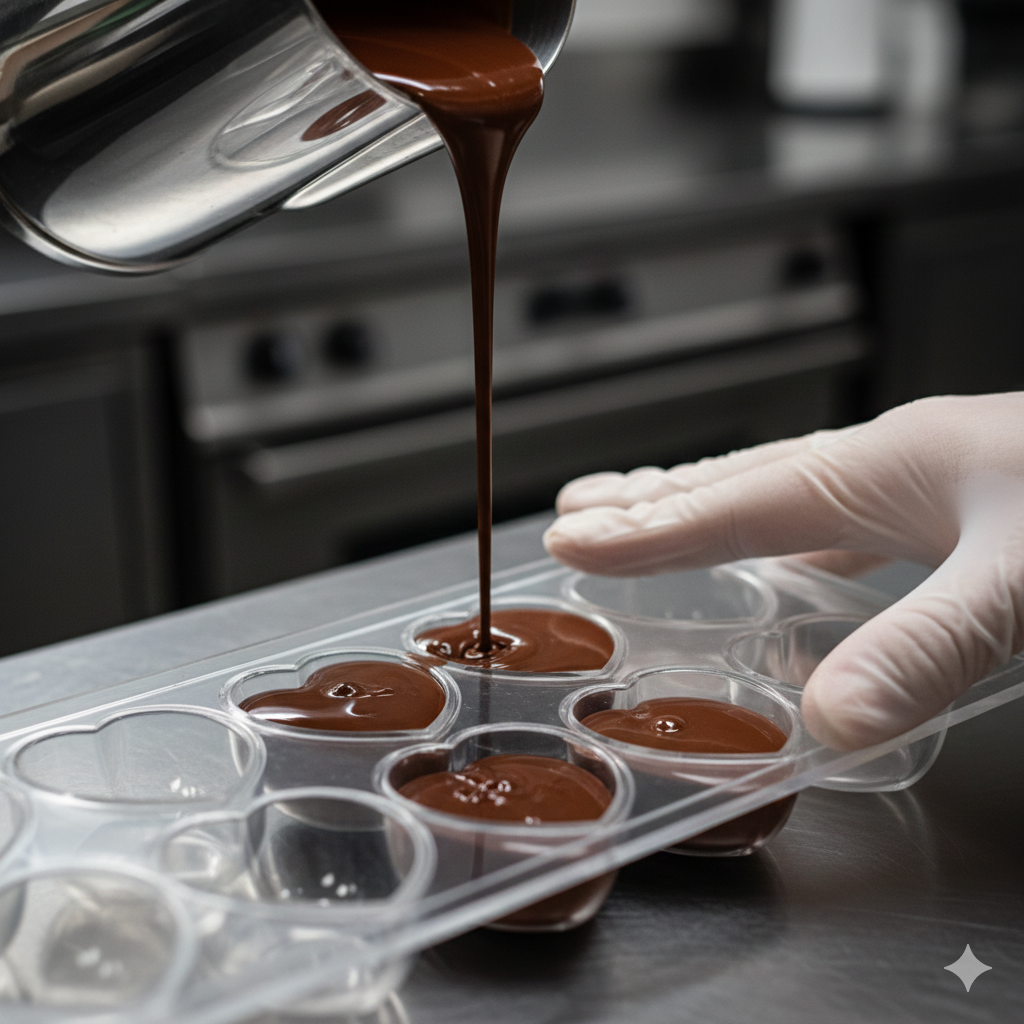
How to Mold Chocolate: Step-by-Step Technique for Polycarbonate and Silicone Molds
How to mold chocolate step by step: tempered chocolate, a clean mould at about 20°C, shells, filling, sealing, setting and demoulding, plus when to use polycarbonate or silicone moulds.
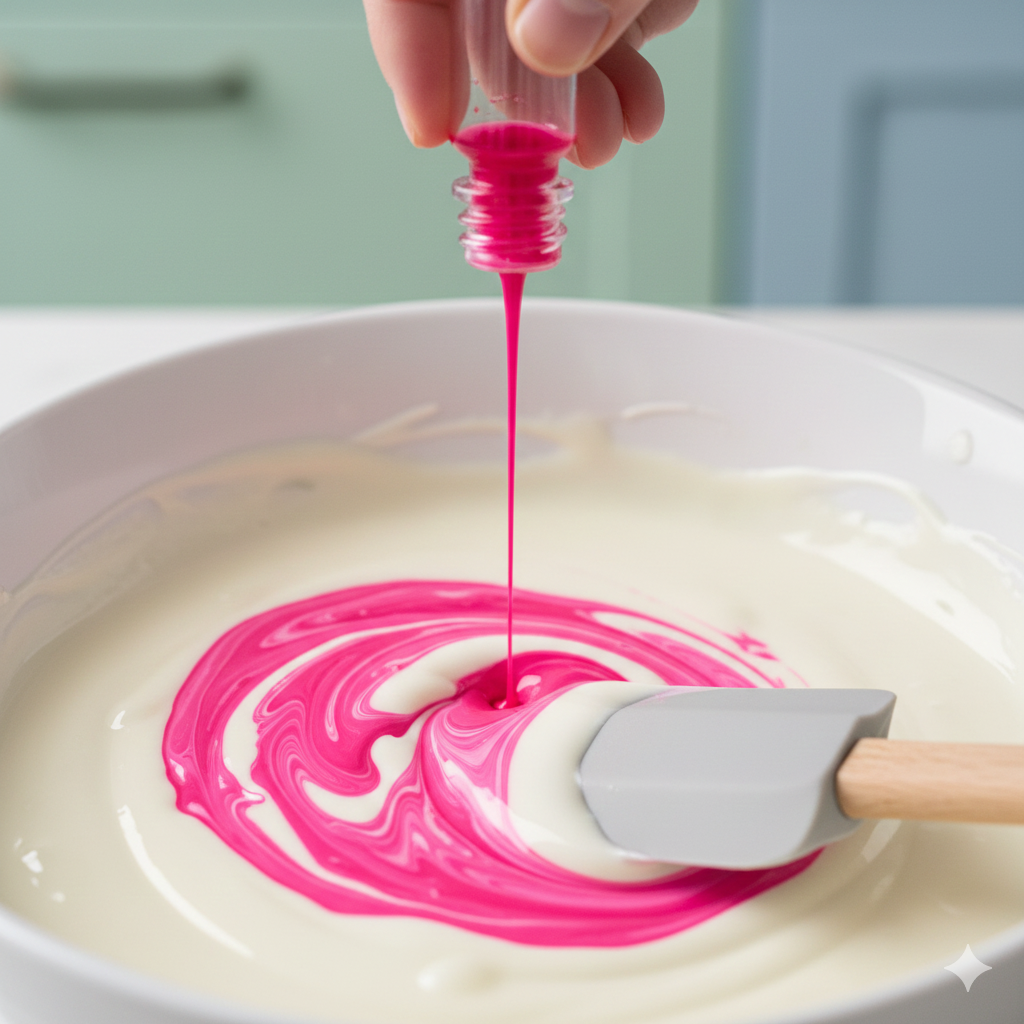
Can You Add Food Colouring to Candy Melts and Chocolate? How to Colour It Right
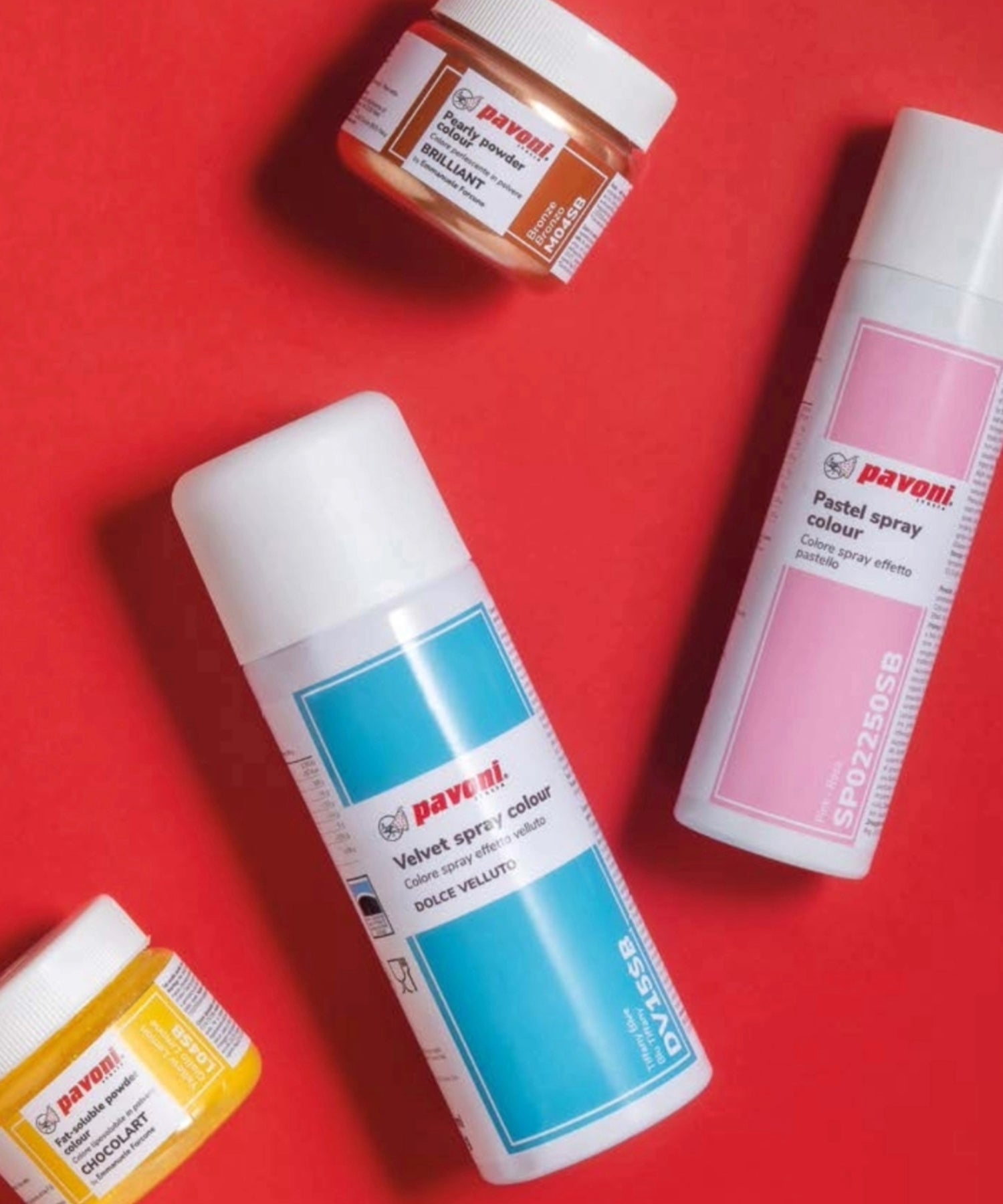
You can colour candy melts and chocolate, but only with fat-based colours. Here is why water-based colouring thickens chocolate, how to colour melted chocolate step by step, and which Pavoni colour...
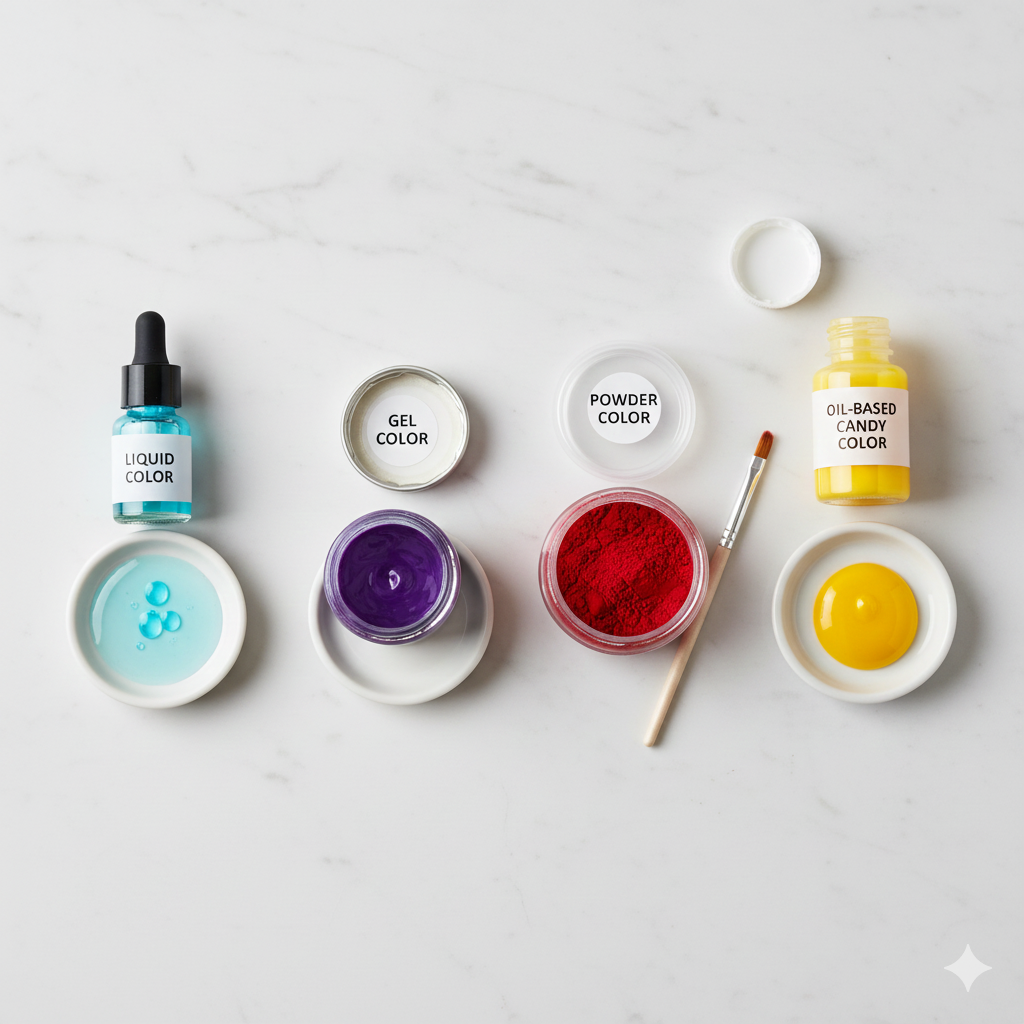
What Is Red Food Colouring Made From? Natural vs Synthetic, and Red for Chocolate
Red food colouring is either synthetic, like the azo dye Red 40, or natural, from beets, paprika, fruit and vegetable juices or carmine from cochineal insects. Here is what each red is made from, w...