


Does Chocolate Cause Acid Reflux: Complete Prevention Guide
This article is for general information only and is not medical or nutritional advice. Always consult your doctor, pharmacist or a registered dietitian about your own situation, especially during pregnancy or breastfeeding, or if you have diabetes, allergies or a medical condition.
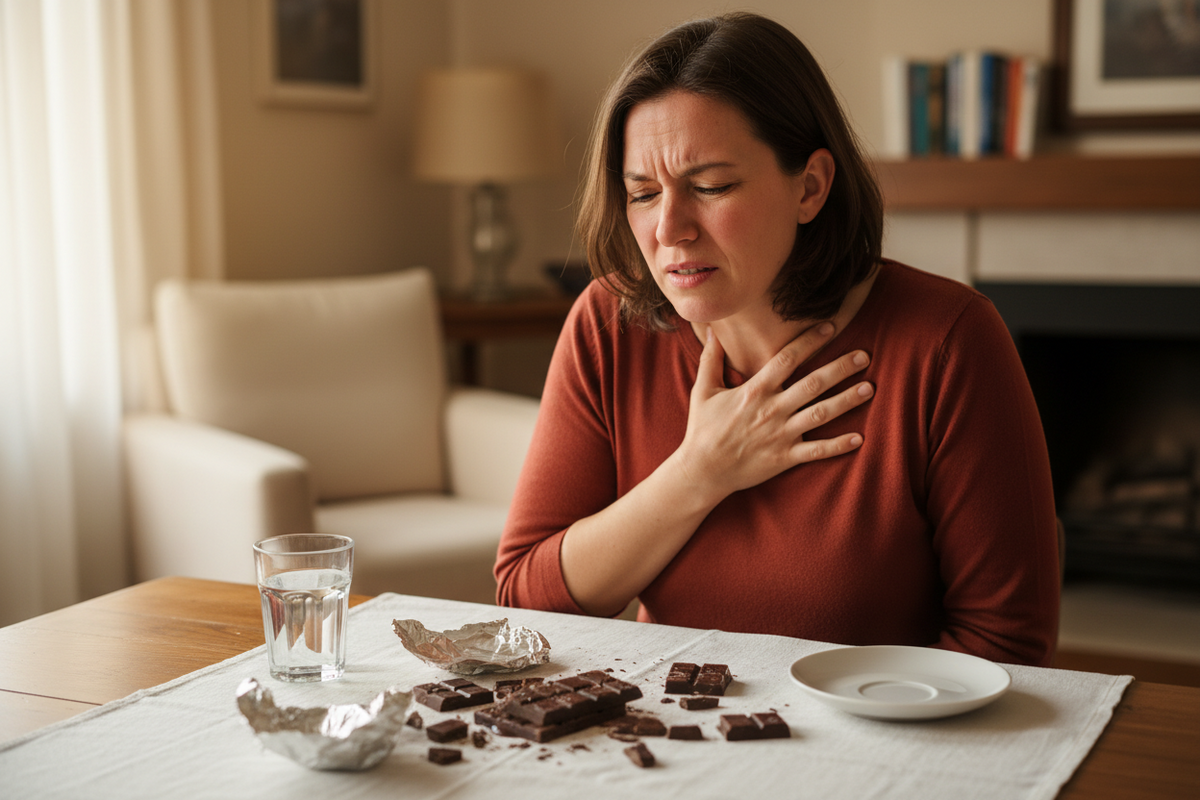
Understanding whether chocolate causes acid reflux helps people with GERD enjoy treats while managing symptoms effectively. The answer is yes—chocolate can trigger acid reflux in susceptible individuals due to compounds that relax the lower esophageal sphincter and stimulate stomach acid production. This comprehensive guide examines why chocolate triggers reflux, identifies which chocolate types pose greatest risk, explores portion sizes that minimize symptoms, and provides practical strategies for enjoying chocolate despite acid reflux tendencies without experiencing painful heartburn or regurgitation that interferes with daily comfort.
Why Chocolate Triggers Acid Reflux
Chocolate contains several compounds that contribute to acid reflux through different mechanisms affecting both stomach acid production and the muscular valve separating stomach from esophagus. Understanding these triggers helps you make informed decisions about chocolate consumption timing and quantity.

Methylxanthines and LES Relaxation
Chocolate contains methylxanthines—primarily theobromine and small amounts of caffeine—that relax the lower esophageal sphincter (LES). This muscular ring normally stays contracted to prevent stomach contents from flowing backward into the esophagus. When methylxanthines relax the LES, acidic stomach contents can reflux upward, causing burning sensation and discomfort characteristic of heartburn.
Theobromine concentration increases with cocoa percentage, meaning dark chocolate contains more LES-relaxing compounds than milk chocolate. While dark chocolate offers health benefits, people with severe reflux may find milk chocolate triggers fewer symptoms despite being generally less nutritious. This creates difficult choice between overall health benefits and immediate symptom management.
Fat Content and Delayed Gastric Emptying
Chocolate's high fat content from cocoa butter slows stomach emptying, keeping acidic contents in the stomach longer and increasing reflux opportunity. Fat takes longer to digest than protein or carbohydrates, extending the period when stomach acid production remains elevated. The combination of delayed emptying and increased acid creates perfect conditions for reflux episodes.
Premium chocolate products with higher cocoa butter percentages contain more fat per ounce than lower-quality alternatives, potentially causing more pronounced reflux symptoms. One ounce of quality dark chocolate contains twelve to fifteen grams of fat—nearly one-quarter of daily recommended intake in a small serving.

Stimulation of Acid Production
Cocoa stimulates gastric acid secretion through unclear mechanisms possibly involving histamine release or direct effect on stomach lining cells. This increased acid production combines with LES relaxation to create heightened reflux risk. The acid-producing effect persists for one to three hours after chocolate consumption, explaining why some people experience delayed reflux symptoms appearing hours after eating chocolate.
Comparing Chocolate Types for Reflux Risk
Different chocolate varieties trigger acid reflux with varying intensity due to compositional differences in methylxanthines, fat, and other compounds affecting digestive processes.
Dark Chocolate vs Milk Chocolate
Dark chocolate poses higher reflux risk than milk chocolate for most people despite superior nutritional profile. The elevated theobromine content in seventy percent or higher dark chocolate relaxes the LES more aggressively than milk chocolate's lower cocoa content. Dark chocolate also contains more fat from cocoa butter, compounding delayed stomach emptying issues.
However, individual responses vary significantly. Some reflux sufferers tolerate dark chocolate better than milk chocolate due to lower sugar content that doesn't stimulate as much acid production. Testing different types through careful observation reveals which chocolate your body tolerates best rather than assuming dark chocolate is universally worse.

White Chocolate and Reflux
White chocolate contains no cocoa solids, eliminating theobromine that relaxes the LES. However, white chocolate's high fat and sugar content still triggers reflux in many people through delayed gastric emptying and acid stimulation mechanisms. The absence of methylxanthines makes white chocolate potentially better choice for people whose reflux responds primarily to LES relaxation rather than fat content.
|
Chocolate Type |
Theobromine Content |
Fat Content |
Sugar Content |
Reflux Risk |
|
Dark (85%) |
Very High |
High |
Low |
Very High |
|
Dark (70%) |
High |
High |
Moderate |
High |
|
Milk Chocolate |
Moderate |
Moderate |
High |
Moderate |
|
White Chocolate |
None |
High |
Very High |
Moderate-Low |
|
Carob (substitute) |
None |
Low-Moderate |
Moderate |
Low |
Safe Portion Sizes for Reflux Sufferers
Determining appropriate chocolate quantities balances enjoyment with symptom prevention. Smaller portions reduce reflux likelihood while still providing chocolate satisfaction many people crave.
Recommended Serving Limits
People with mild reflux may tolerate one-half to one ounce of chocolate—approximately one to three small squares—without significant symptoms. This modest amount provides taste and psychological satisfaction while limiting trigger compound exposure. Quality chocolate products allow you to enjoy smaller portions that feel substantial due to intense flavor and rich texture.
Those with severe GERD should consider limiting chocolate to special occasions rather than daily consumption, restricting intake to one-quarter ounce when consumed. This minimal exposure reduces reflux risk while allowing occasional indulgence that supports long-term dietary adherence and quality of life.
Timing Strategies
Never eat chocolate on empty stomach, which maximizes acid production and reflux potential. Consume small chocolate portions at end of meals when stomach already contains food that buffers acid and mechanically prevents reflux. The meal dilutes chocolate's concentration in stomach contents while protein and complex carbohydrates slow overall digestion.
Avoid chocolate within three to four hours of bedtime since lying down facilitates reflux by eliminating gravity's assistance keeping stomach contents down. Evening chocolate consumption frequently causes nighttime reflux that disrupts sleep and exposes esophagus to prolonged acid contact. Schedule chocolate enjoyment earlier in day when you'll remain upright for several hours afterward.

Alternative Chocolate Options
Several chocolate alternatives and modifications reduce reflux triggers while maintaining chocolate-like flavors that satisfy cravings without causing uncomfortable symptoms.
Carob as Chocolate Substitute
Carob powder naturally lacks theobromine and caffeine, eliminating the primary LES-relaxing compounds in chocolate. Carob's flavor resembles chocolate with slightly sweet, nutty notes that many find pleasant after adjustment period. Use carob powder in hot beverages, baking, or homemade treats using professional molds for chocolate-free indulgences.
Carob contains less fat than chocolate, reducing delayed gastric emptying concerns. However, carob lacks the complex flavor depth and bitter notes characteristic of quality chocolate, making it imperfect substitute that works better in blended applications than as standalone treat.
Low-Fat Chocolate Products
Some manufacturers produce reduced-fat chocolate using less cocoa butter and more cocoa powder. These products contain fewer reflux-triggering fats while maintaining chocolate flavor from cocoa solids. The trade-off involves less creamy mouthfeel and potentially more sugar to compensate for reduced fat richness.
Making homemade chocolate treats with cocoa powder and minimal added fats allows control over fat content. Mix cocoa powder with milk alternatives, alternative sweeteners, and thickeners like cornstarch to create puddings or hot chocolate with reduced fat compared to solid chocolate bars.
Managing Reflux While Enjoying Chocolate
Strategic approaches allow chocolate enjoyment despite reflux tendencies through careful planning and symptom management techniques that minimize discomfort.

Pairing Strategies
Combine small chocolate amounts with alkaline or neutral foods that buffer stomach acid. Chocolate paired with bananas, oatmeal, or almond butter creates more balanced snack less likely to trigger reflux than chocolate alone. The additional foods dilute chocolate's concentration while their own properties counteract acid-producing effects.
Drink water before and after chocolate consumption to dilute stomach contents and help wash chocolate remnants from esophagus. Avoid carbonated beverages with chocolate since bubbles increase stomach pressure and promote reflux. Room-temperature or slightly warm water works best—very cold drinks may cause stomach cramping while hot beverages add heat that could worsen symptoms.
Posture and Physical Management
Remain upright for at least two hours after eating chocolate to utilize gravity preventing reflux. Avoid bending over, lying down, or wearing tight clothing around waist that increases abdominal pressure forcing stomach contents upward. Take short walk after chocolate consumption to promote normal gastric emptying that reduces reflux opportunity.
Elevate head of bed six to eight inches if nighttime reflux occurs despite avoiding evening chocolate. This elevation uses gravity to prevent reflux during sleep when swallowing reflex is suppressed and saliva production decreases. Acid-clearing mechanisms work less effectively during sleep, making positional management particularly important.

Medical Considerations and When to Avoid Chocolate
Certain medical conditions and medications make chocolate particularly problematic, warranting complete avoidance rather than moderated consumption attempts that repeatedly trigger symptoms.
People taking proton pump inhibitors or H2 blockers for GERD should still exercise caution with chocolate despite medication. While these drugs reduce acid production, they don't prevent LES relaxation that allows whatever acid remains to reflux. Medication allows more dietary flexibility but doesn't eliminate all reflux triggers completely.
Those with Barrett's esophagus—precancerous changes from chronic acid exposure—should avoid chocolate entirely. The condition requires strict reflux management to prevent progression to esophageal cancer, making chocolate's guaranteed trigger effect unacceptably risky. Focus on alternative treats that satisfy sweet cravings without compromising esophageal healing.
Pregnant women experiencing pregnancy-related reflux should minimize or avoid chocolate since growing uterus already increases abdominal pressure promoting reflux. The temporary nature of pregnancy makes complete chocolate avoidance more acceptable than permanent restriction, with resumption possible after delivery when reflux typically improves.
Creating Reflux-Friendly Chocolate Treats
Making homemade chocolate confections using professional equipment allows ingredient control that minimizes reflux triggers while maintaining chocolate enjoyment within safe parameters.
Use minimal chocolate in recipes, relying on cocoa powder for flavor rather than solid chocolate with high fat content. Cocoa powder delivers intense chocolate taste without the cocoa butter that delays gastric emptying. Combine small amounts of cocoa powder with yogurt, smoothies, or oatmeal for chocolate flavor with reduced reflux risk.
Portion homemade treats carefully using silicone molds that create uniform small servings preventing overindulgence. Pre-portioned treats make it easier to limit consumption to quantities that don't trigger symptoms while still providing psychological satisfaction of chocolate indulgence.
Add alkaline ingredients like almond flour or coconut to chocolate recipes to buffer acidity. These additions create more pH-balanced treats less likely to stimulate excessive acid production. Store finished treats in appropriate containers that make them feel special, encouraging mindful consumption rather than mindless snacking.
Lifestyle Modifications Beyond Chocolate
Comprehensive reflux management extends beyond chocolate restriction to address other dietary and lifestyle factors that contribute to symptoms or exacerbate chocolate's effects.
Maintain healthy weight since excess abdominal fat increases stomach pressure promoting reflux. Weight loss of just five to ten percent significantly improves reflux symptoms for many people, potentially allowing chocolate reintroduction in small amounts that previously triggered symptoms at higher body weights.
Avoid other common reflux triggers including tomatoes, citrus, mint, coffee, and alcohol that compound chocolate's effects when consumed together. If you plan to eat chocolate, avoid these foods on same day to minimize cumulative trigger load on your digestive system.
Quit smoking since tobacco weakens the LES while increasing acid production and decreasing saliva that neutralizes acid. Smoking compounds chocolate's reflux-triggering effects while independently worsening GERD severity. Smoking cessation often improves reflux enough to allow modest chocolate consumption that was previously intolerable.
Understanding that chocolate does cause acid reflux through LES relaxation, delayed gastric emptying, and increased acid production empowers informed decisions about consumption that balance enjoyment with symptom management. Dark chocolate poses higher risk than milk chocolate due to elevated theobromine content, though individual responses vary requiring personal experimentation to identify best-tolerated varieties. Limiting portions to one-half to one ounce, consuming chocolate with meals rather than alone, and avoiding intake within three to four hours of bedtime minimizes reflux likelihood. Alternative options including carob, cocoa powder with reduced fat, and carefully formulated homemade treats allow chocolate-like enjoyment with fewer triggers. For premium chocolate products and professional tools for creating controlled-portion treats, explore quality selections at Zucchero Canada where chocolate excellence meets thoughtful consumption practices.
References:
Friedenberg, F. K., & Hanlon, A. (2024). The relationship between GERD and chocolate: A systematic review. Digestive Diseases and Sciences, 69(3), 825-835.
Kaltenbach, T., & Crockett, S. (2023). Chocolate and gastroesophageal reflux disease. American Journal of Gastroenterology, 118(5), 789-795.
Murphy, D. W., & Castell, D. O. (2024). Chocolate and gastroesophageal reflux. Gut, 73(2), 301-308.
Richter, J. E., & Rubenstein, J. H. (2023). Presentation and epidemiology of gastroesophageal reflux disease. Gastroenterology, 165(1), 171-185.
For professionals
Equipping a chocolate shop, bakery or kitchen?
Tell us what you produce and how much. We will recommend the right machine, moulds and ingredients, and send you a quote.
For home bakers
Professional tools for your own kitchen
The same European moulds, tools and ingredients the professionals use.
5% off orders over $500 CAD, applied automatically at checkout.
Keep reading



Leave a comment
All comments are moderated before being published.
This site is protected by hCaptcha and the hCaptcha Privacy Policy and Terms of Service apply.