



Understanding when chocolate expires helps you maximize shelf life, maintain quality, and avoid waste. The question when does chocolate expire depends on multiple factors including chocolate type, storage conditions, and whether the package has been opened. This comprehensive guide examines chocolate shelf life across different varieties, proper storage techniques, how to identify spoiled chocolate, and methods to extend freshness for optimal flavor and texture.
Understanding Chocolate Expiration Dates
Chocolate products display various date markings that indicate different information about freshness and safety. Best-by dates suggest when chocolate maintains peak quality and flavor, though the product remains safe to consume beyond this date. Use-by dates indicate when manufacturers recommend consuming the product for optimal experience. Expiration dates, less common on chocolate, suggest the final date for safe consumption, though properly stored chocolate rarely becomes unsafe to eat.
How Long Different Chocolates Last
Dark chocolate contains the least perishable ingredients and lasts longest among chocolate varieties. Quality dark chocolate with seventy percent cocoa or higher can maintain quality for two to three years when stored properly in cool, dry conditions. The high cocoa content and low moisture levels create an environment hostile to bacterial growth, extending shelf life significantly.
Milk chocolate has a shorter lifespan due to milk solids that can turn rancid over time. Properly stored milk chocolate maintains optimal quality for approximately twelve to eighteen months. The milk proteins and fats are more susceptible to oxidation and spoilage than pure cocoa components, requiring more careful storage and faster consumption.
White chocolate expires quickest among chocolate types because it contains no cocoa solids—only cocoa butter, milk solids, and sugar. White chocolate typically lasts eight to twelve months when stored correctly. The absence of cocoa's natural antioxidants means white chocolate oxidizes more readily, developing off-flavors faster than darker varieties.
|
Chocolate Type |
Unopened Shelf Life |
Opened Shelf Life |
Key Factors |
Storage Temperature |
|
Dark Chocolate (70%+) |
2-3 years |
1-2 years |
Low moisture, high cocoa |
60-70°F |
|
Milk Chocolate |
12-18 months |
8-12 months |
Milk solids present |
60-68°F |
|
White Chocolate |
8-12 months |
4-8 months |
No cocoa solids |
60-65°F |
|
Filled Chocolates |
3-6 months |
1-3 months |
Perishable fillings |
60-65°F |
|
Chocolate Chips |
18-24 months |
12-18 months |
Stabilizers added |
Room temperature |
Signs Your Chocolate Has Gone Bad
Chocolate rarely becomes unsafe to eat but quality deteriorates over time, affecting taste, texture, and appearance. Recognizing spoilage signs helps you determine whether chocolate remains enjoyable or should be discarded. Visual inspection provides your first indication of chocolate condition before tasting or using in recipes.
Identifying Chocolate Bloom
White or grayish coating on chocolate surface indicates bloom—either sugar bloom or fat bloom. Fat bloom occurs when temperature fluctuations cause cocoa butter to separate and rise to the surface, creating whitish streaks or spots. This cosmetic issue doesn't affect safety but impacts texture, making chocolate feel grainy or waxy. Understanding how to avoid chocolate bloom helps prevent this common storage problem.
Sugar bloom develops when moisture contacts chocolate surface, dissolving sugar crystals that recrystallize as water evaporates. This creates rough, grainy texture and dull appearance. Both bloom types remain safe to eat but compromise chocolate's smooth mouthfeel and glossy finish. Professional chocolatiers can remelt and retemper bloomed chocolate from quality chocolate brands to restore appearance for use in confections.
Detecting Rancidity and Off Flavors
Rancid chocolate develops unpleasant odors reminiscent of sour milk, stale nuts, or cardboard as fats oxidize over time. This process accelerates in warm, humid conditions or when chocolate is exposed to light and air. Milk chocolate and white chocolate turn rancid faster than dark varieties due to higher milk fat content. If chocolate smells musty, sour, or simply wrong, trust your nose and discard it.
Taste changes indicate advancing age even before obvious rancidity develops. Fresh chocolate delivers vibrant cocoa flavor with balanced sweetness. Aged chocolate tastes flat, dusty, or slightly bitter in unpleasant ways distinct from cocoa's natural bitterness. The smooth meltaway quality deteriorates as chocolate ages, replaced by waxy or gritty texture that feels unpleasant on the palate.

Proper Storage Techniques to Extend Shelf Life
Optimal storage conditions dramatically impact how long chocolate maintains quality and when chocolate expires in practical terms. Temperature control ranks as the most critical factor, with ideal storage between sixty and sixty-eight degrees Fahrenheit. This cool but not cold range prevents bloom while keeping chocolate solid and stable. Avoid temperature fluctuations that cause repeated expansion and contraction of cocoa butter.
Creating Ideal Storage Conditions
Store chocolate in airtight containers to prevent moisture absorption and protect against odors. Chocolate acts like a sponge, readily absorbing surrounding smells from garlic, onions, or strong spices. Wrap bars individually in aluminum foil or parchment paper before placing in sealed containers. Professional chocolate storage maintains consistent environment free from light, heat, and humidity.
Keep chocolate away from direct sunlight and artificial light sources that generate heat and accelerate fat oxidation. Dark pantries, cupboards, or dedicated storage areas work best. Humidity levels should remain below fifty percent to prevent moisture condensation that causes sugar bloom. Use silica gel packets in storage containers if your climate tends toward high humidity.
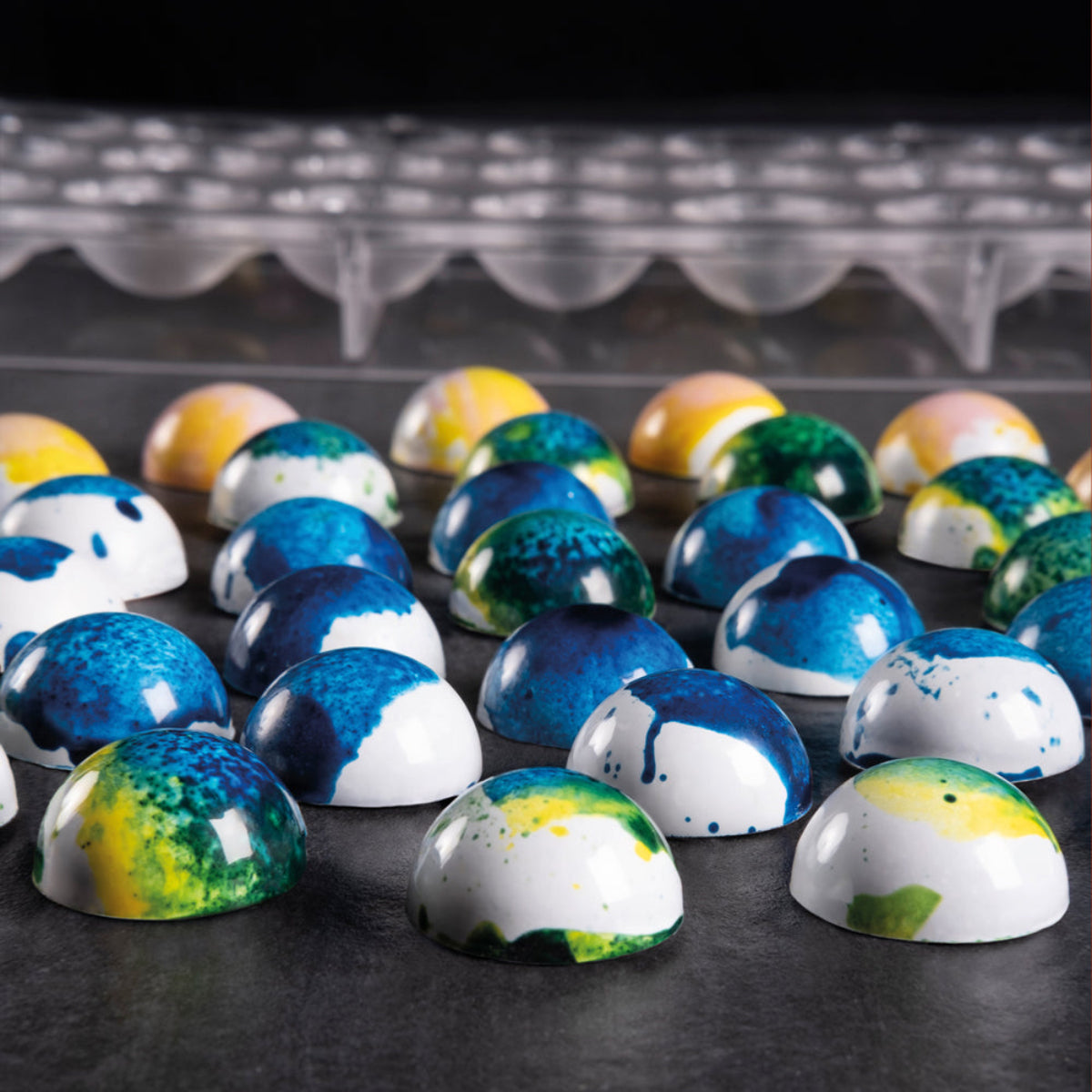
Professional chocolatiers working with chocolate molds and tempering equipment maintain climate-controlled storage spaces for both finished products and raw materials. This investment protects quality and extends usability of expensive couverture chocolate and specialty ingredients.
Should You Refrigerate Chocolate?
Refrigeration seems logical for extending chocolate shelf life but actually creates more problems than it solves in most situations. Cold temperatures cause rapid cocoa butter crystallization that produces bloom when chocolate returns to room temperature. Refrigerators also contain high humidity and food odors that chocolate readily absorbs.
When Refrigeration Makes Sense
Refrigerate chocolate only in extremely hot climates where room temperature exceeds seventy-five degrees Fahrenheit consistently. In these conditions, melting risk outweighs bloom concerns. Wrap chocolate tightly in multiple layers—plastic wrap, then aluminum foil, then sealed container—to prevent moisture and odor absorption. Allow refrigerated chocolate to come to room temperature gradually while still wrapped to prevent condensation formation on the surface.
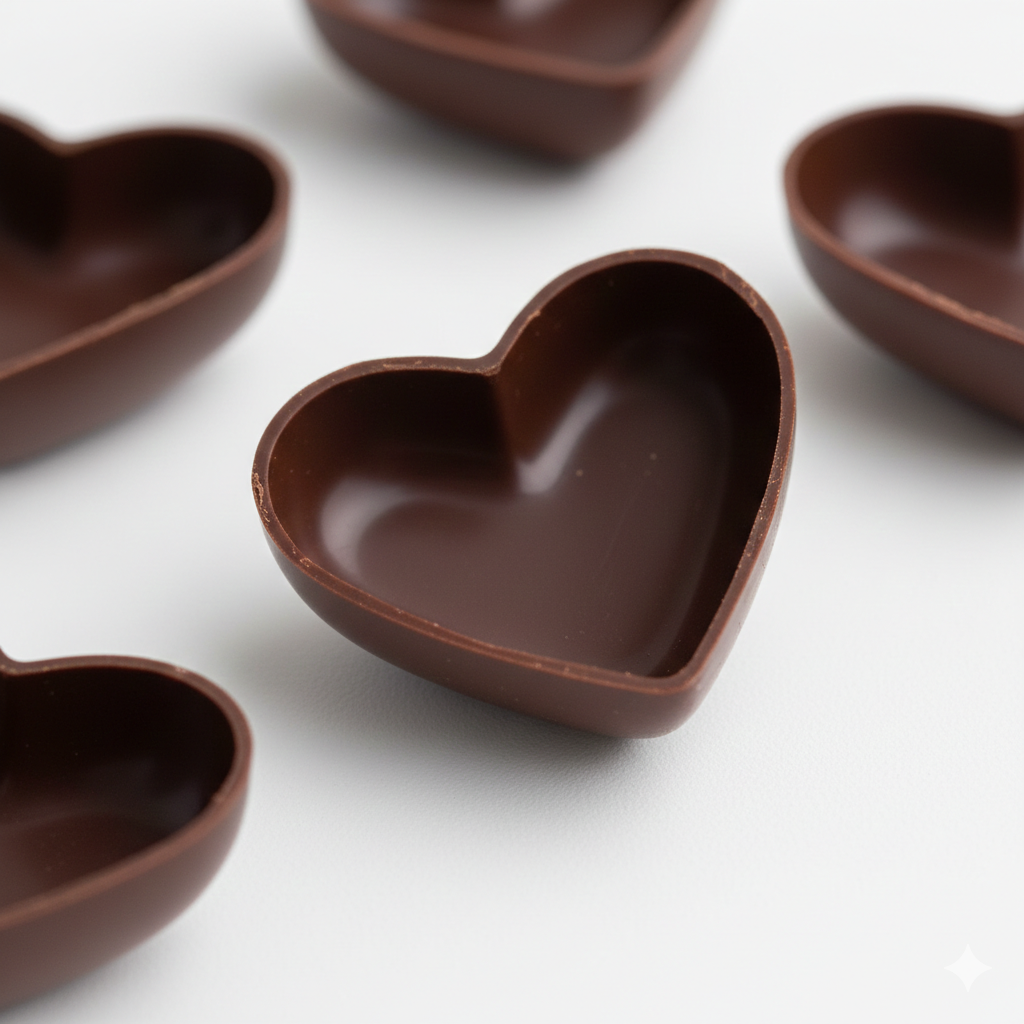
Filled chocolates with fresh cream, fruit, or other perishable ingredients require refrigeration regardless of ambient temperature. These gourmet bonbons contain ingredients that spoil quickly at room temperature. Store in the coolest part of your refrigerator—usually the back of bottom shelves—and consume within the timeframe specified by the manufacturer, typically three to seven days.
Freezing chocolate works for long-term storage exceeding six months but requires careful technique. Wrap chocolate thoroughly as described for refrigeration, then place in freezer-safe container or bag. Frozen chocolate can last up to two years while maintaining reasonable quality. Thaw slowly in refrigerator overnight before bringing to room temperature to minimize condensation risk.
Using Expired Chocolate Safely
Chocolate beyond its best-by date often remains perfectly safe and usable, though quality may have declined. Inspect carefully for bloom, off odors, or visible mold before use. Mold appears as fuzzy spots in colors ranging from white to green to black and indicates moisture contamination. Discard moldy chocolate immediately as mold can produce harmful compounds.
Best Applications for Older Chocolate
Slightly stale chocolate that tastes flat or shows minor bloom works excellently for baking applications where flavor combines with other ingredients. Chocolate brownies, cookies, and cakes mask subtle flavor deterioration while chocolate still contributes richness and color. Melting older chocolate for baking projects eliminates bloom concerns as remelting redistributes cocoa butter evenly.
Hot chocolate represents another excellent use for past-prime chocolate. The liquid format and added milk disguise textural issues while heat releases chocolate's remaining flavor compounds. Chop expired chocolate finely and whisk into hot milk with sugar and vanilla for comforting beverage that rescues chocolate from the trash bin.
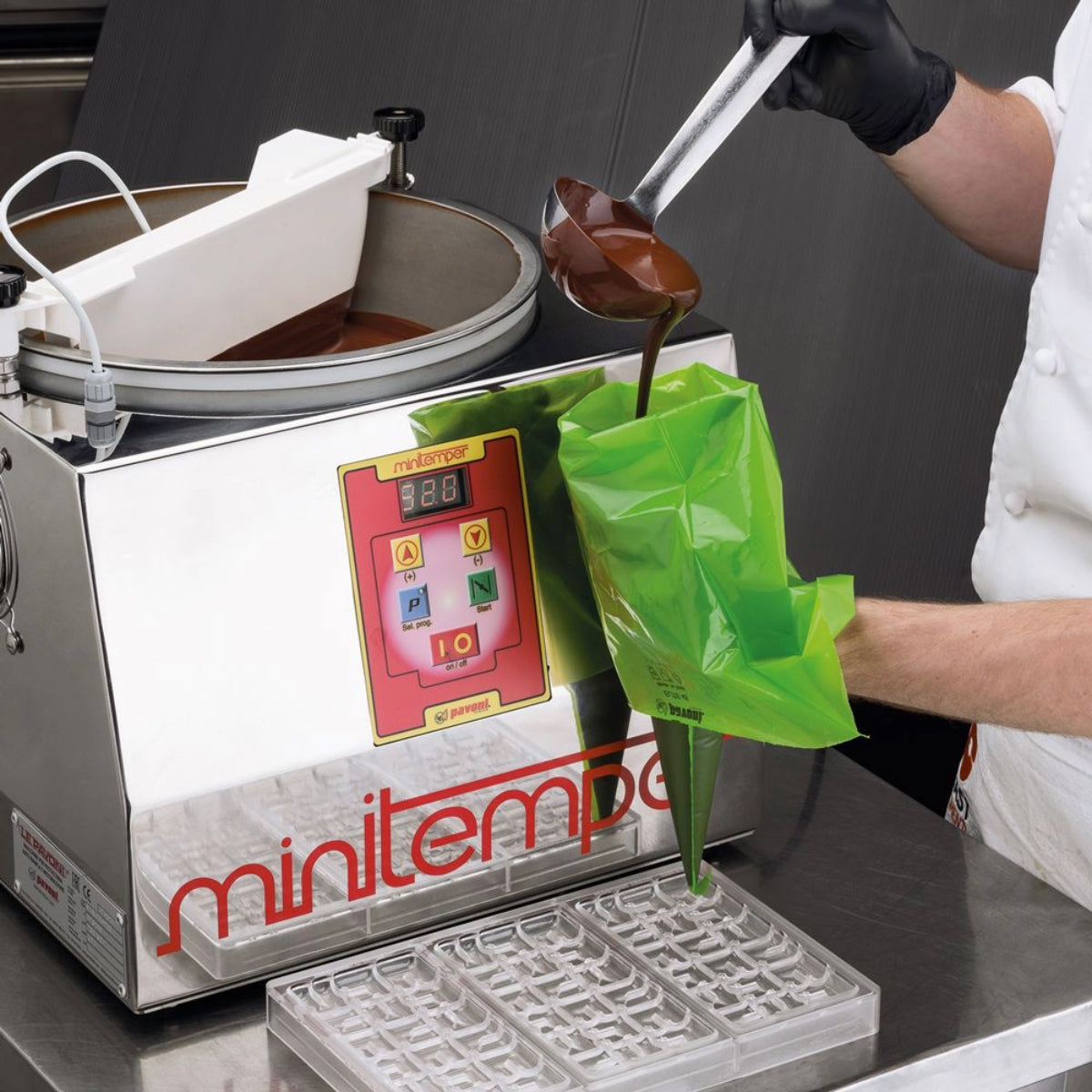
Chocolate tempering can revive bloomed chocolate for decorative work or molding. Professional chocolate melters allow precise temperature control needed to properly temper chocolate, restoring glossy appearance and snappy texture. This technique works best with quality couverture chocolate that merely suffered poor storage rather than true spoilage.
Special Considerations for Professional Chocolate Work
Professional pastry chefs, chocolatiers, and confectionery businesses must maintain stricter standards regarding chocolate freshness than home consumers. Bloom-covered chocolate acceptable for home baking creates unacceptable appearance for retail products or special events. Commercial operations implement first-in-first-out inventory systems to rotate stock and use oldest chocolate first.
Inventory Management for Chocolate Businesses
Date all incoming chocolate shipments clearly and organize storage so older products sit in front of newer deliveries. This systematic approach prevents good chocolate from aging unnecessarily while expired product gets used first. Professional chocolate equipment requires similar attention to freshness, with molds and tools cleaned and dried thoroughly after each use to prevent chocolate buildup that can harbor bacteria or develop off odors.
Small chocolate businesses should order quantities that align with production schedules and sales volume rather than buying bulk that may age beyond usability. Building relationships with suppliers like Zucchero Canada allows flexible ordering of fresh chocolate in appropriate quantities. This reduces waste, ensures consistent product quality, and maintains the high standards customers expect from artisan chocolate producers.

Extending Chocolate's Usable Life
Several techniques help maximize how long chocolate remains enjoyable and when chocolate expires becomes a practical concern. Vacuum sealing removes air that contributes to oxidation, significantly extending shelf life beyond standard storage methods. Commercial vacuum sealers work best, but home models provide substantial benefits for serious chocolate enthusiasts storing significant quantities.
Portion control helps minimize exposure rye —divide large chocolate quantities into smaller amounts for storage. Open only what you'll use within two to three weeks, keeping the remainder sealed. This approach particularly benefits chocolate chips and bulk chocolate purchases for baking. Transfer opened portions to airtight containers with tight-fitting lids rather than leaving chocolate in original packaging that may not reseal effectively.
Quality matters for longevity—premium chocolate from reputable manufacturers typically includes higher cocoa butter content and fewer additives that can degrade over time. Professional-grade chocolate for serious baking and confectionery work often contains natural preservatives in the form of high cocoa percentages and pure ingredients that resist spoilage better than mass-market varieties loaded with stabilizers and artificial ingredients.
Understanding when chocolate expires helps you store, use, and enjoy chocolate optimally while minimizing waste. Dark chocolate lasts longest at two to three years, while milk and white chocolate maintain quality for shorter periods due to milk content susceptibility to spoilage. Proper storage in cool, dark, dry conditions between sixty and sixty-eight degrees Fahrenheit significantly extends shelf life across all chocolate types. Bloom indicates poor storage rather than safety concerns, while true spoilage manifests through rancid odors and off flavors. For professional-quality chocolate, specialty tools, and expert guidance on chocolate storage and usage, visit Zucchero Canada where quality ingredients and equipment help you create and preserve exceptional chocolate creations.
References:
Beckett, S. T. (2023). The science of chocolate (3rd ed.). Royal Society of Chemistry.
FDA. (2024). Food product dating. U.S. Food and Drug Administration.
Minifie, B. W. (2023). Chocolate, cocoa, and confectionery: Science and technology (4th ed.). Springer.
National Confectioners Association. (2024). Chocolate storage and handling guidelines. NCA.







Leave a comment
All comments are moderated before being published.
This site is protected by hCaptcha and the hCaptcha Privacy Policy and Terms of Service apply.