





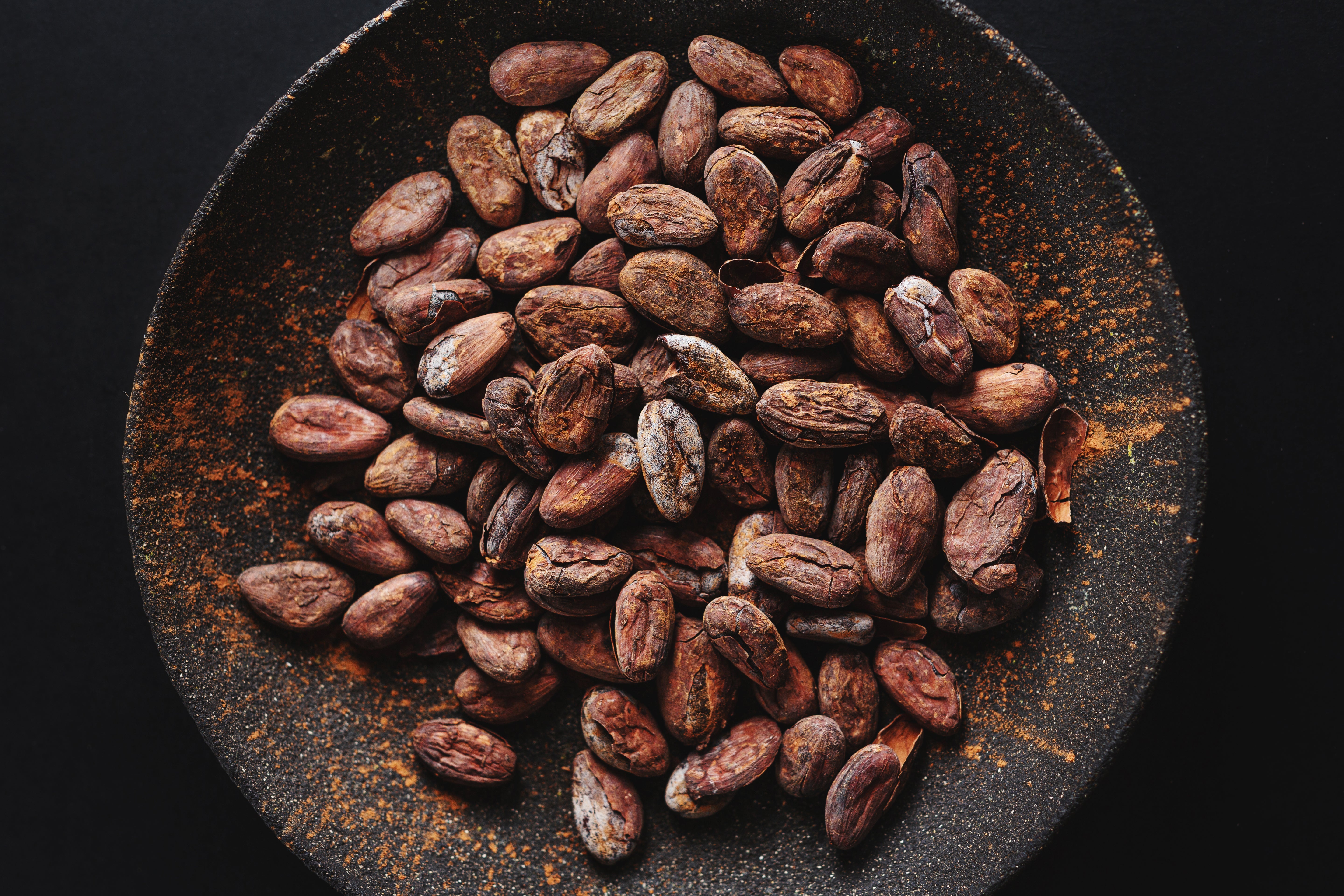
Yes — cacao is genuinely good for you, and the science behind it is solid. Raw fermented cacao beans are one of the most antioxidant-dense foods measured, with a flavonoid and mineral profile that has been studied extensively for cardiovascular, cognitive, and metabolic benefits. The more important question is not whether cacao is good for you — it is which cacao, processed how, and at what quantity.
What makes cacao nutritionally significant
Cacao's nutritional value comes from three main categories of compounds, all concentrated in the cacao solids.
Flavonoids
Cacao is one of the richest dietary sources of flavonoids, specifically flavan-3-ols (epicatechin and catechin) and procyanidins. These have been studied for nitric oxide production supporting vascular function and blood pressure regulation. Heavy alkalization (Dutch processing) can reduce flavonoid content by 60-90%. Natural-process cocoa powder retains significantly more.
Magnesium
A 100g serving of 70-85% dark chocolate contains roughly 170-230mg of magnesium — more magnesium-dense than most nuts, seeds, or leafy greens. It lives in the cacao solids, not the fat.
Theobromine
Cacao's primary stimulant is theobromine — a mild methylxanthine with a longer, gentler effect than caffeine. Dark chocolate contains roughly 200-300mg of theobromine per 40g serving. It provides sustained energy without a sharp peak and crash.
How processing affects nutritional value
| Processing step | Effect on nutrients |
| Fermentation (correct) | Develops flavor precursors, improves mineral bioavailability |
| Alkalization (Dutching) | Reduces flavonoid content up to 90% in heavy alkalization |
| Natural-process powder | Retains most flavonoids |
| Roasting (light-medium) | Modest reduction in raw antioxidants, significant flavor development |
Why fine-flavor cacao is different
Venezuela is the only country the ICCO classifies as 100% fine-flavor origin. The Criollo genetic profile in Venezuelan origins like Sur del Lago and OCUMARE delivers naturally lower bitterness and complex aromatic expression alongside its nutritional profile.
The forms of cacao by nutritional density
- Venezuelan cocoa nibs — least processed, maximum flavonoids, magnesium, and theobromine. Zero added sugar.
- Natural Venezuelan cocoa powder — non-alkalized, maximum flavonoid retention, high magnesium per gram.
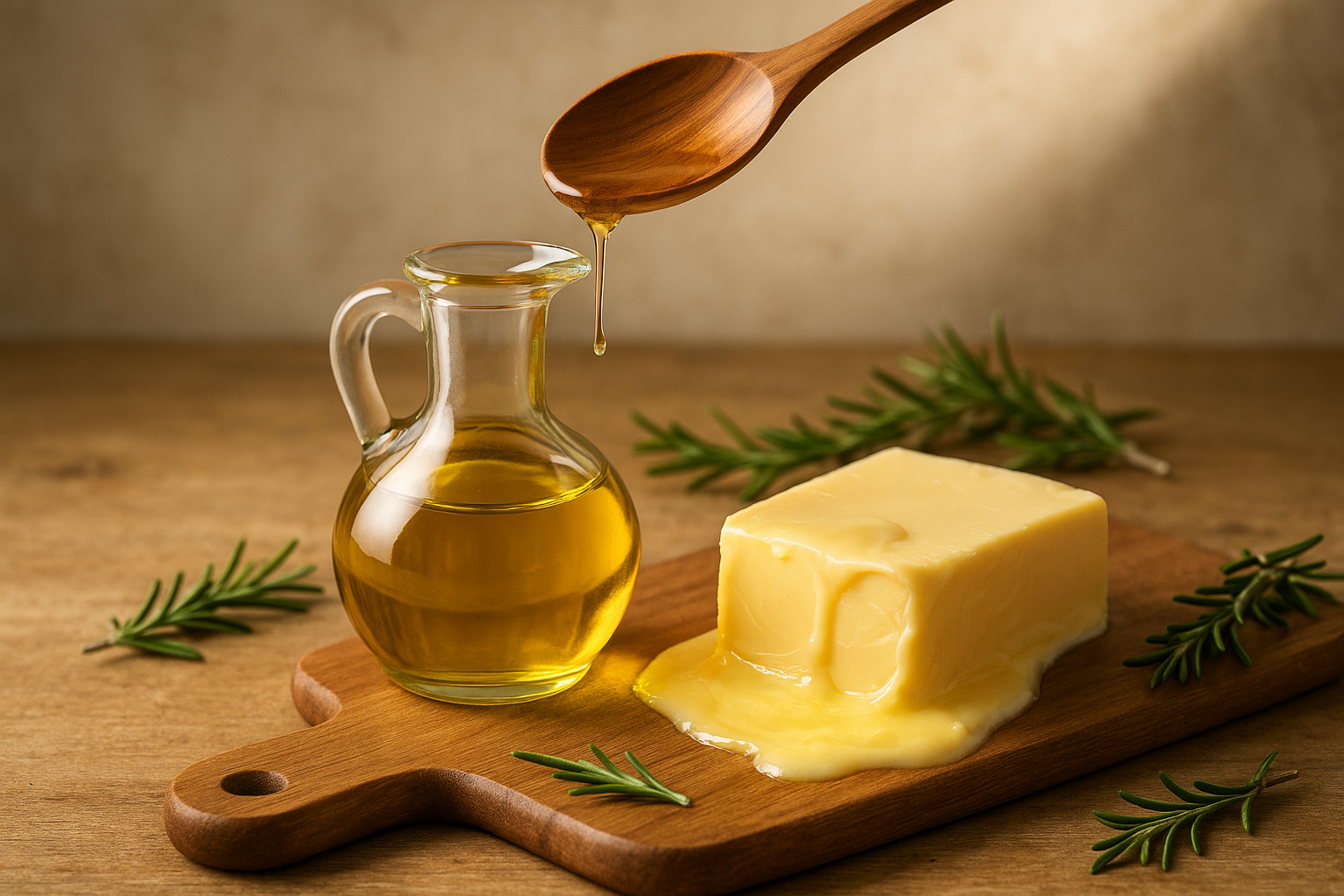
- Venezuelan and Peruvian cocoa butter — fat fraction, minimal flavonoids, but unique oleic/stearic acid profile.
- Bassan Sur del Lago Dark 71% — finished couverture from traced Venezuelan origin.
How much cacao is beneficial?
Research typically uses 200-400mg of cocoa flavanols per day — roughly 10-20g of high-flavonoid dark chocolate or 1-2 tablespoons of natural cocoa powder. Quality matters more than quantity: fine-flavor, minimally processed cacao delivers more per gram than commodity alternatives.
All Venezuelan cacao we carry comes through Canada Cacao Co. with Certificate of Origin and Authenticity. Contact our team for volume pricing and standing B2B orders.
Frequently asked questions
- Is raw cacao healthier than processed cocoa?
- Raw fermented cacao has higher flavonoid content than heavily processed cocoa — particularly Dutched (alkalized) powder, which can lose 60-90% of its flavonoids. Natural-process cocoa powder retains significantly more antioxidant activity. Light roasting has a modest effect; heavy alkalization has a major one.
- How much cacao per day is actually beneficial?
- Research on cardiovascular benefits typically uses 200-400mg of cocoa flavanols daily — roughly 10-20g of high-flavonoid dark chocolate or 1-2 tablespoons of natural cocoa powder. Quality matters more than quantity: fine-flavor, minimally processed cacao delivers more per gram than commodity alternatives.
- What is the difference between Criollo and Forastero cacao nutritionally?
- Criollo-dominant fine-flavor cacao has lower bitterness and a different flavonoid profile than commodity Forastero. Venezuela is the only country the ICCO classifies as 100% fine-flavor origin. The nutritional difference is meaningful but varies by fermentation quality and processing more than genetics alone.
- Are cocoa nibs the healthiest form of cacao?
- Yes — cocoa nibs are the least processed form: roasted, cracked, no added sugar, no alkalization, maximum fiber, flavonoids, magnesium, and theobromine. They deliver the full spectrum of cacao's nutritional compounds in their most bioavailable form.








Leave a comment
All comments are moderated before being published.
This site is protected by hCaptcha and the hCaptcha Privacy Policy and Terms of Service apply.