





Starting a chocolate business in Canada is more accessible than most people think — but the decisions you make in the first six months about equipment, sourcing, and business structure will either build a scalable foundation or create bottlenecks you spend years working around. This guide covers the practical side: what you actually need, in what order, and where to source it.
Step 1: Decide what kind of chocolate business you are building
Before buying anything, be clear on your model. The equipment, licensing, and sourcing decisions are completely different depending on which category you are in:
| Model | What you make | Key equipment |
| Chocolatier / confectioner | Bonbons, truffles, dipped products, bars from couverture | Tempering machine, melter, molds |
| Pastry / chocolate bakery | Brownies, cakes, ganaches, glazed pastry | Melter, mixers, ovens |
| Bean-to-bar maker | Chocolate from raw cacao beans | Roaster, cracker/winnower, refiner, conche, tempering machine |
| Wholesale couverture / inclusion producer | Bulk chocolate products for other businesses | Large-scale tempering, enrobing, packaging |
Most people starting out are chocolatiers or pastry producers. Bean-to-bar is a different operation — more capital-intensive, more process-dependent, and requires a different supply chain. Both are viable; they just have different starting points.
Step 2: Licensing and food safety in Canada
In Canada, food businesses are regulated at both the federal and provincial level. The requirements depend on whether you sell locally, provincially, or across provincial borders.
- Cottage food / home-based: Most provinces allow limited home-based food production for direct sale (farmers markets, local events). Rules vary by province — Alberta, Ontario, and BC all have different thresholds. Check your provincial food safety authority before assuming you can sell from home.
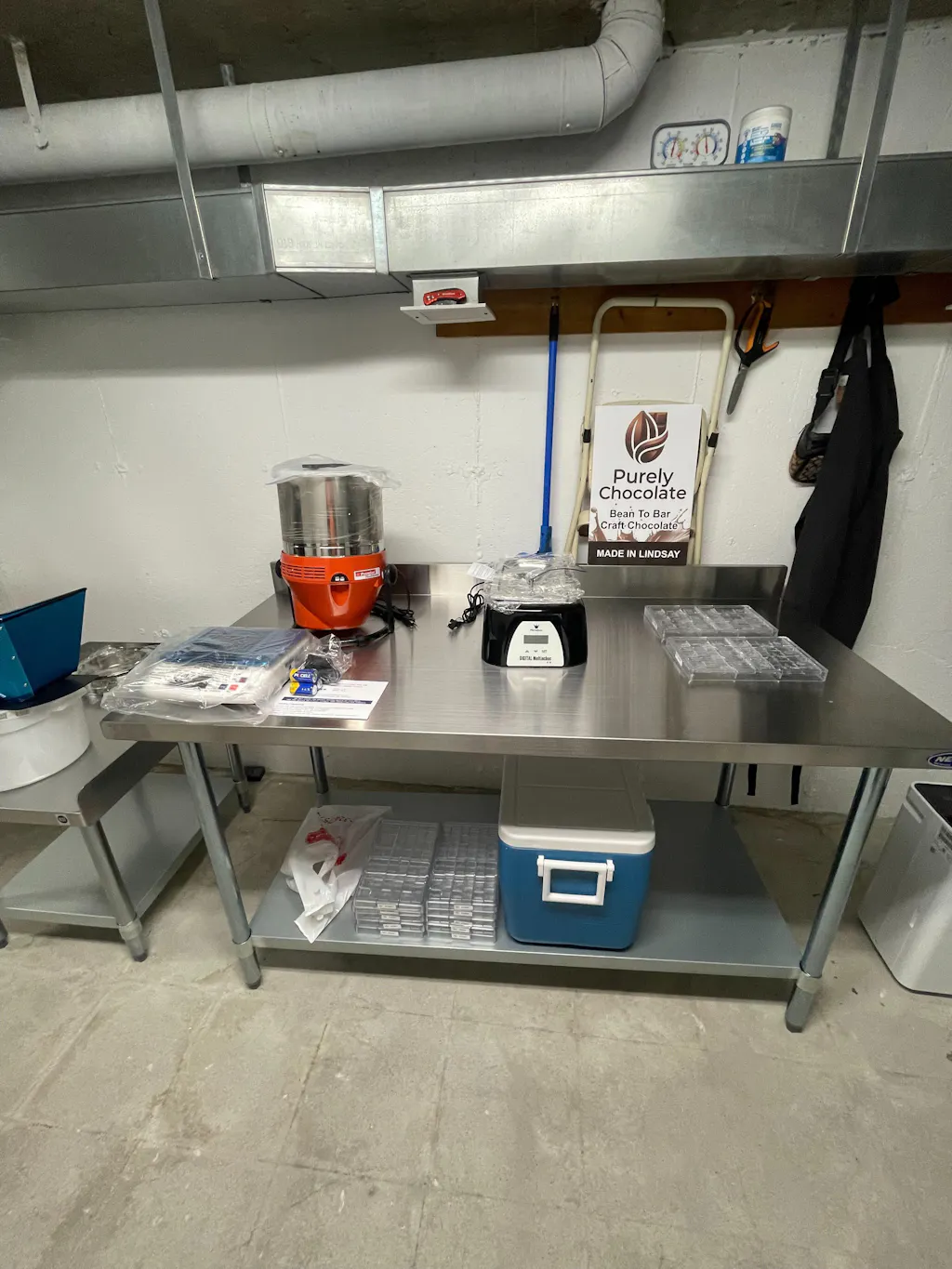
- Commercial kitchen: If you sell wholesale, to retailers, or across provincial lines, you typically need a licensed commercial kitchen. You can rent one (shared commercial kitchen spaces exist in most Canadian cities) or build out your own.
- Federal licence (SFCA): If you sell interprovincially or import/export ingredients, you need a Safe Food for Canadians licence from the CFIA. For most small chocolatiers starting locally, this is not the first step — but plan for it if you want to sell nationally.
- Allergen labelling: Chocolate products must comply with Canadian allergen labelling regulations. Tree nuts, milk, soy, and wheat are common cross-contamination risks in chocolate production environments. Get this right before you launch.
Step 3: The equipment path — buy for where you are, not where you want to be
The most common mistake new chocolate businesses make is buying equipment for the production volume they imagine in three years, not what they actually need now. A machine sitting half-empty wastes electricity, makes inconsistent chocolate (tempering works best with a full or near-full tank), and ties up capital that could go to marketing or ingredients.
Here is the practical equipment progression for a chocolatier business in Canada:
Starting out: Pavoni MiniTemper
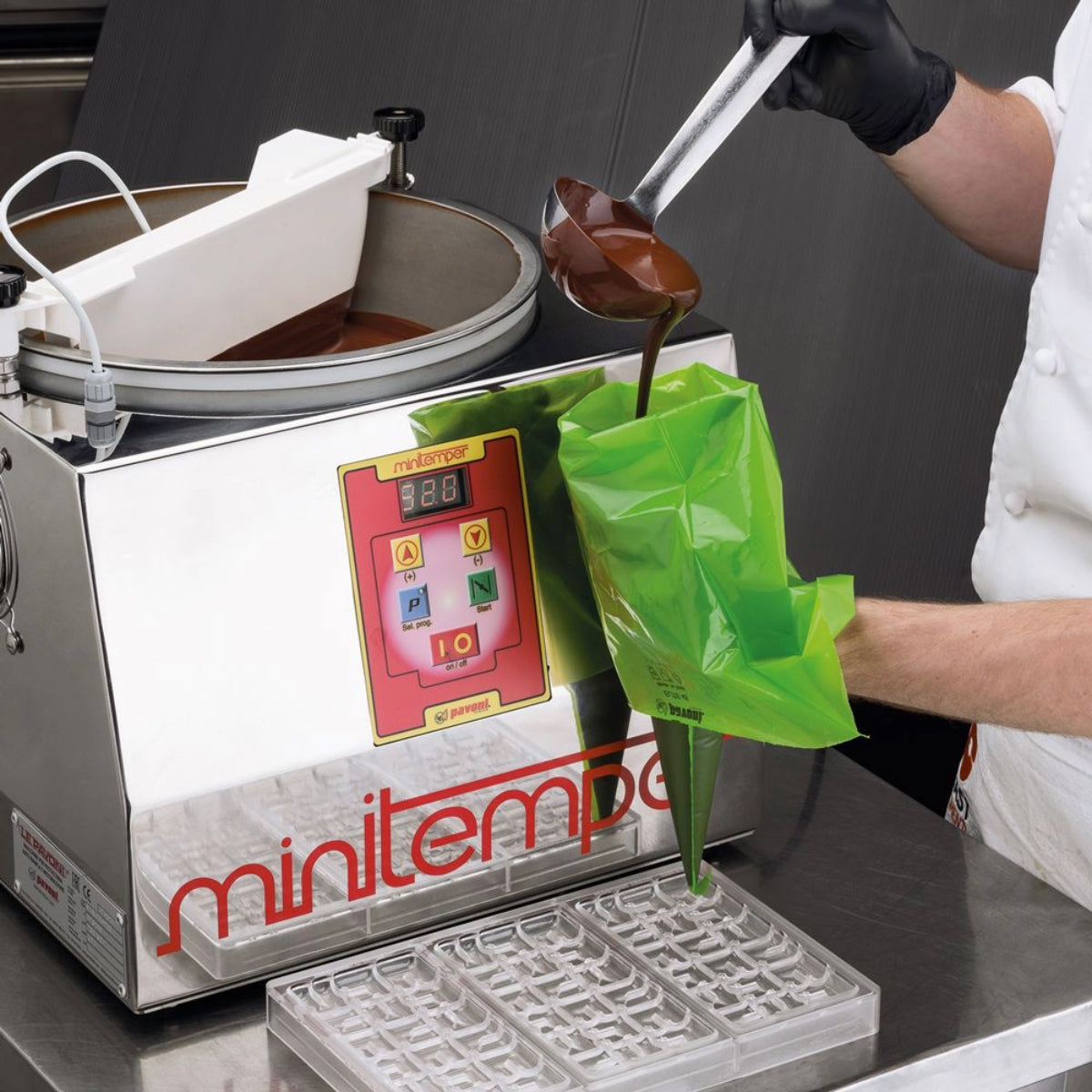
The Pavoni MiniTemper 110V ($3,350 CAD) is the right starting machine for most new chocolatier businesses. Five programmable presets for different chocolate types, interchangeable bowl, standard 110V outlet. At 3.5 kg tank capacity, it handles small-batch bonbon and dipping production while you build your customer base and validate your recipes. Made in Italy by Pavoni Italia — the same brand used in professional pastry schools across Europe.
This is the machine to buy when you are producing a few hundred pieces per week and figuring out what sells.
Growing: Bilait Adam K6 or Pomati T5
When you have consistent orders and need to hold chocolate in temper for hours of continuous production, you need a continuous-cycle machine. Two options depending on your electrical setup:
- Bilait Adam K6 ($9,899 CAD) — 6 kg, up to 24 kg/h, touchscreen, dual-zone heating, integrated refrigeration, heated vibrating table. Convertible to compact enrober. Requires 230V dedicated circuit — standard in most commercial kitchens.
- Pomati T5 ($11,650 CAD) — 5 kg, continuous, 110V/220V universal. If your space does not have 230V available, the T5 gives you continuous tempering on a standard circuit.
This is the machine to buy when you are producing consistently for wholesale accounts, markets, or a retail shop and the MiniTemper is your bottleneck.
Scaling: Chocolate World CW12
The CW12 (M1200) is the entry point into professional production volume — 12 kg tank, up to 45 kg/h, heated vibrating table and dosing pedal included as standard. Belgian engineering, used in professional chocolateries across Europe. Requires 230V single-phase. This is the machine for an established business with regular wholesale orders or a retail operation running daily production.
For bean-to-bar: FBM Boscolo
If you are building a bean-to-bar operation, your equipment path is different. The minimum viable setup:
- FBM Ninja Kid — cracker and winnower, 25-30 kg/h ($20,650 CAD)
- FBM Rumbo Kid — 28 kg refiner/grinder ($27,299 CAD)
- FBM KLEEGO 50 — melting tank and conche ($23,899 CAD)
- Tempering machine — Bilait Adam K6 or Pomati T5 at minimum
Bean-to-bar is a significant capital investment. Most successful bean-to-bar businesses start with contract processing (using shared equipment or a co-packer) to validate their recipe and market before buying their own line.
Step 4: Ingredient sourcing — this defines your product
For a chocolatier working with couverture, your chocolate supplier is the most important vendor relationship you have. The couverture you use defines the flavor ceiling of everything you make.
At Zucchero Canada, we supply professional-grade ingredients with full traceability:
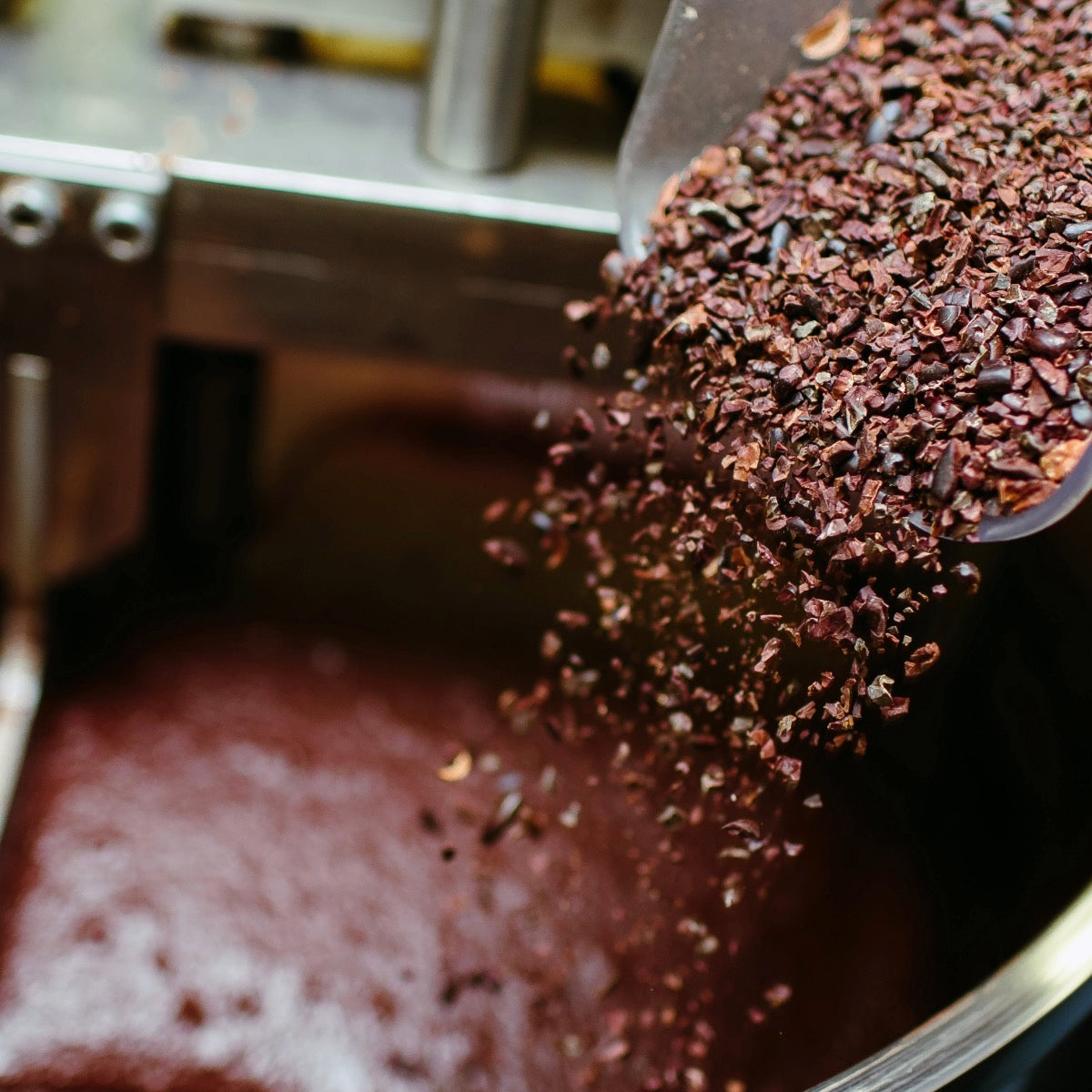
- Single-origin Venezuelan cacao beans — Sur del Lago Ancestral Criollo Lineage and OCUMARE Criollo Blood, sourced through Canada Cacao Co. with Certificate of Origin. Available 1.5 kg to 60 kg. Priority allocation for standing B2B orders.
- Venezuelan and Peruvian cocoa butter — pure, food-grade, professional quantities up to 20 kg
- Finished couverture — Bassan Sur del Lago Dark 71% — traceable Venezuelan origin, for chocolatiers who want a product story behind their couverture
- Natural food coloring — Pavoni Italia Chocolart (professional cocoa butter colors) and Seasons (plant-based, E171-free, vegan) for clean-label production
Step 5: Molds — your visual identity
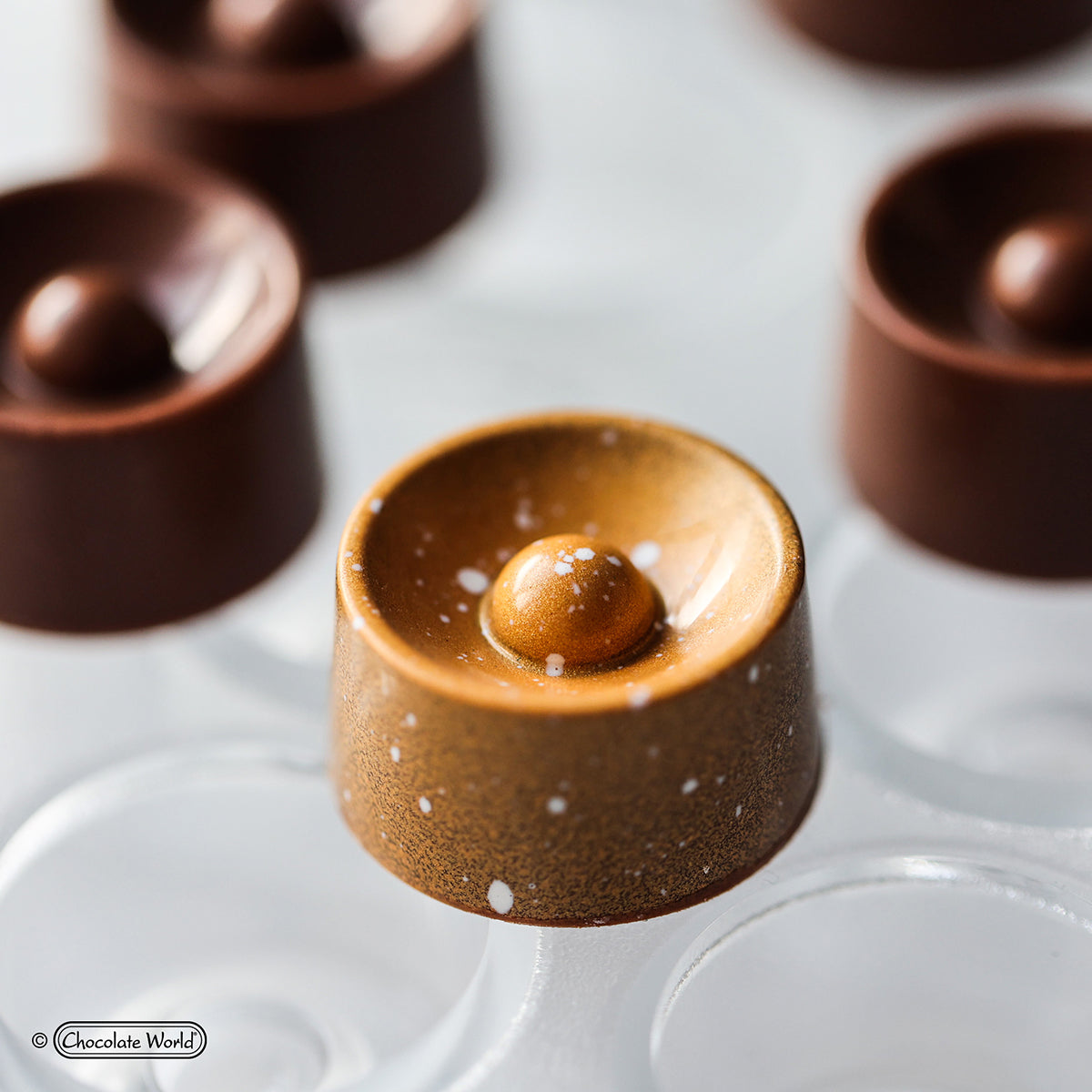
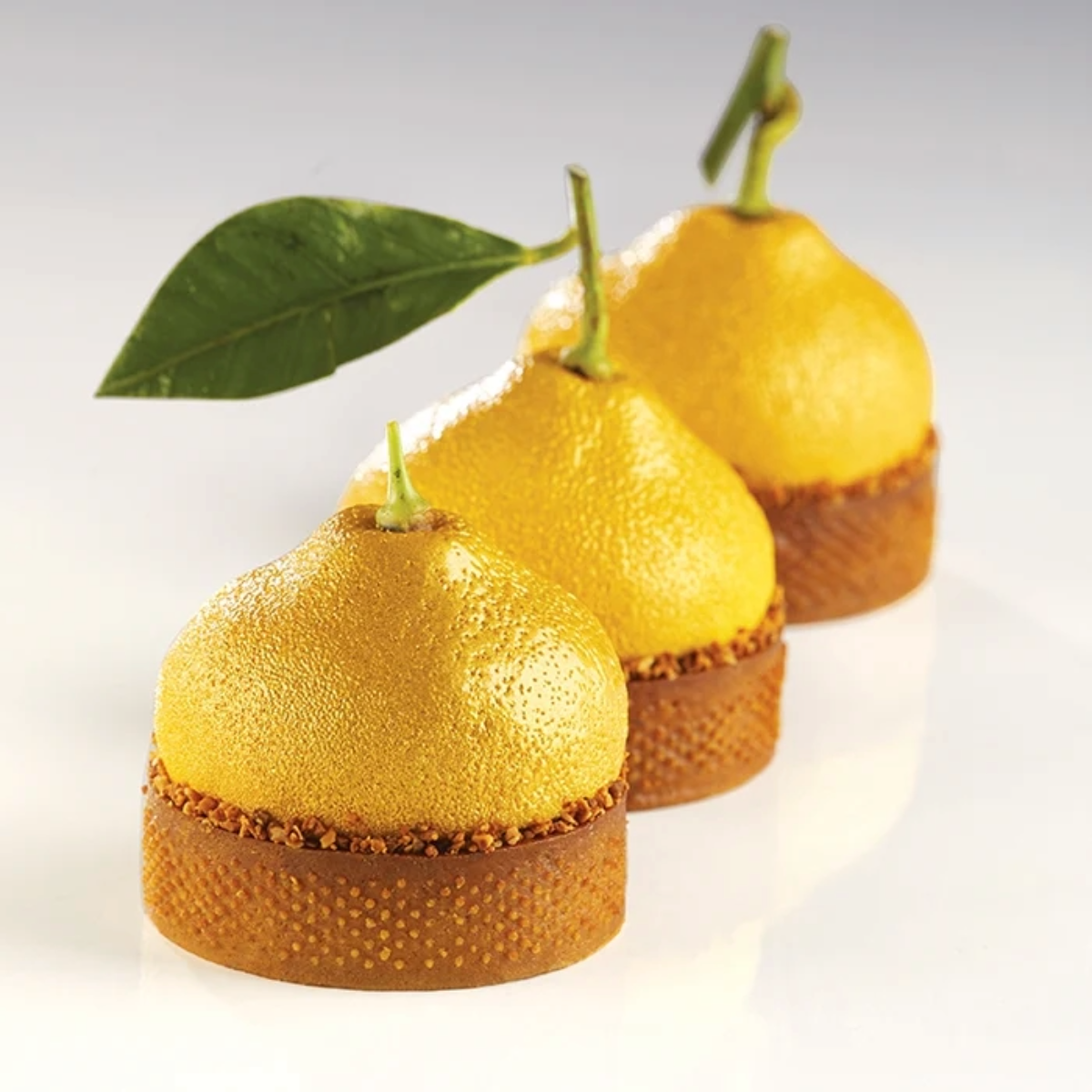
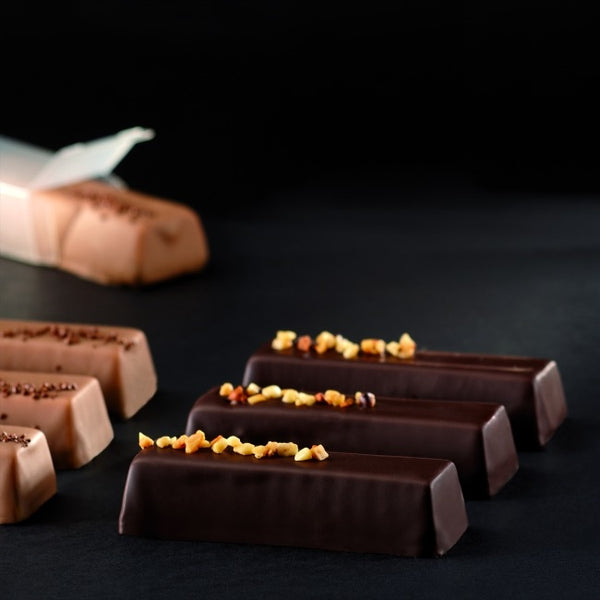
Your mold selection is your product catalog. For bonbons and pralines, polycarbonate molds from Chocolate World, Pavoni Italia, and Martellato give you the widest range of professional shapes. For entremets, inserts, and pastry applications, silicone molds from Pavoni's Pavoflex line are the professional standard.
Browse our full mold collections: bonbon and praline molds, bar and tablet molds, silicone pastry molds.
Step 6: The business side
A few practical notes specific to starting a chocolate business in Canada:
- Register your business: Federal incorporation or provincial registration depending on your structure. A sole proprietorship is the simplest starting point; incorporate when your revenue and liability exposure justify it.
- HST/GST registration: Required once you exceed $30,000 CAD in annual revenue. Plan for it from the start — your pricing should account for it.
- Pricing: Most new chocolate businesses underprice. A bonbon that takes 3-4 minutes of skilled labor, uses $0.50-1.00 of couverture, requires packaging, and has overhead attached needs to sell for $3.50-5.00 minimum at retail to be sustainable. Price for where you want your business to be, not for what you think customers will pay.
- Start with fewer SKUs: 6-8 products done exceptionally well outperforms 25 products done adequately. Focus your first year on mastering a core collection before expanding.
We supply chocolate businesses across Canada
At Zucchero Canada, we are the authorized Canadian distributor for Pavoni Italia, Bilait, Pomati, Chocolate World, Martellato, and FBM Boscolo. We stock equipment and ingredients in Calgary and ship nationally.
If you are starting a chocolate business and want to talk through equipment sizing, ingredient sourcing, or production setup, contact our team. We work with new businesses as well as established operations — no minimum order for a consultation.
Browse tempering machines · Browse melters · Single-origin cacao beans · Chocolate molds







Leave a comment
All comments are moderated before being published.
This site is protected by hCaptcha and the hCaptcha Privacy Policy and Terms of Service apply.