



Chocolate Business Plan: How to Write One, Section by Section
Short answer: a chocolate business plan covers the four areas the Business Development Bank of Canada (BDC) lists for any business plan: company profile, sales and marketing, operations, and financial information. For a chocolate business, the parts lenders read most closely are the numbers: the cost of each piece, what your equipment can produce per day, and a monthly cash flow forecast built on conservative assumptions. Write the executive summary last, and only if your lender or investor asks for one.
This guide is about writing the plan itself. If you are still deciding what kind of chocolate business to open, which licences apply and what to buy first, start with how to start a chocolate business in Canada, then come back here to put it on paper.
The four parts of a chocolate business plan at a glance
| Section (BDC) | What it contains | What to add for a chocolate business |
|---|---|---|
| Company profile | Description, products, value proposition, team, legal structure, permits and insurance, measurable objectives, market research | Your model (bonbons, bars, pastry or bean-to-bar), your couverture or cacao origin, the food licences that apply to where you sell |
| Sales and marketing | Top three marketing activities, pricing strategy, sales forecast rationale | Cost per piece and per box, retail and wholesale prices, the months your sales rise and fall |
| Operations | Location, assets and production, procurement, staff, risk assessment | Equipment list with prices, daily capacity of each machine, mould yields, ingredient suppliers and technical sheets |
| Financial information | Start-up costs, monthly cash flow forecast, financial statements if you already operate | Equipment and moulds as start-up costs, couverture as a monthly cost, GST/HST registration |
Section 1: Company profile
The company profile proves you understand your product and your market in detail.
BDC's advice is to describe your product with all its intricacies, not a one-line summary. For a chocolatier, that means the range (how many bonbon flavours, bar sizes, gift boxes), the chocolate you use and why, shelf life and packaging, and how you produce it. Say whether you work from couverture or make chocolate from the bean: the second adds roasting, winnowing, grinding and conching before tempering, and a different supply chain.
- Value proposition: what keeps customers coming back. BDC suggests a customer survey or focus group to support it rather than assuming.
- Team: education, training, experience and transferable skills, including chocolate courses and the books you trained with.
- Legal structure, permits and insurance: explain your structure and list your permits and licences. Under the Safe Food for Canadians Regulations, a business needs a licence from the Canadian Food Inspection Agency if, for example, it imports food or prepares food to be sent across provincial or territorial borders, including processing, packaging or labelling it. Selling only in your province or from home falls under provincial and municipal rules, so check with your local health authority.
- Measurable objectives: BDC gives examples such as a sales figure by a date or a website launched by a date.
Market research
Describe your market, your target customer and three to five competitors. BDC recommends a specific customer profile (an individual or, for B2B, a business such as a café, hotel or corporate gift buyer) rather than "anyone aged 18 to 65", and competitors that would get your customers' money if you were not there, not the largest brand you can name. A SWOT analysis helps compare them.
Section 2: Sales and marketing
This section explains how you will sell and why your sales forecast is believable.
- Action plan: BDC recommends your top three marketing activities, each with a description, frequency, cost or time, expected results and the metrics you will track.
- Pricing strategy: list your prices, explain how you set them and compare them with competitors. Build each price from the cost of the piece: couverture and filling weight × cost per gram, plus packaging, plus labour minutes × your hourly cost, plus a share of rent and equipment.
- Sales forecast rationale: explain how you reached the figures for the first three or four months. BDC's example is that a forecast backed by past monthly sales and prepaid orders reads as conservative; one backed only by "the product is good" does not.
If your sales rise and fall through the year, show it in the monthly forecast and say so: BDC lists hiding sales fluctuations from your lender as one of the common mistakes.
Section 3: Operations
Operations shows how the business works every day: where you produce, with what, from which suppliers and with whom.
Assets and production: tie capacity to real equipment data
List each machine and tool with its price and what it lets you produce. Use the manufacturer's figures, not guesses:
| Equipment | Manufacturer data for your plan | Price |
|---|---|---|
| Martellato digital thermometer 50T001 | Temperature control for hand tempering | $29.95 CAD |
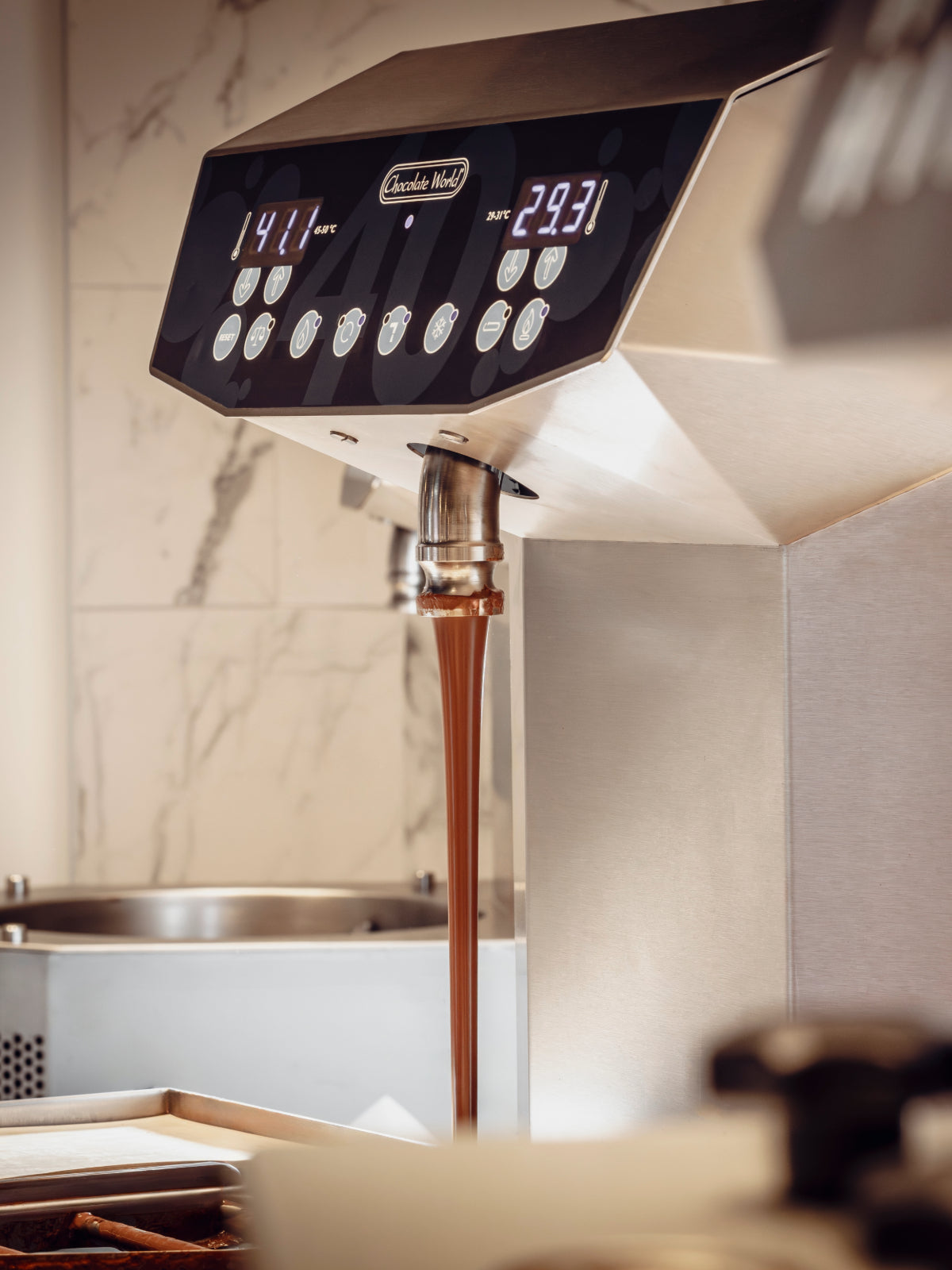
| Martellato Meltinchoc Digital MCD101 | 3.6 L tank, 110V; melts at 45°C (113°F), then holds 31°C dark, 29°C milk, 28°C white (88/84/82°F) | $1,150.00 CAD |
| Pavoni MiniTemper 110V | 3.5 kg tank, 5 programmable presets, melt-crystallise-harden cycle, 110V | $3,350.00 CAD |
| Bilait Adam K6 | 6 kg capacity; tempers 20 kg in 4.5 hours, up to 45 kg a day; heated vibrating table | $10,990.00 CAD |
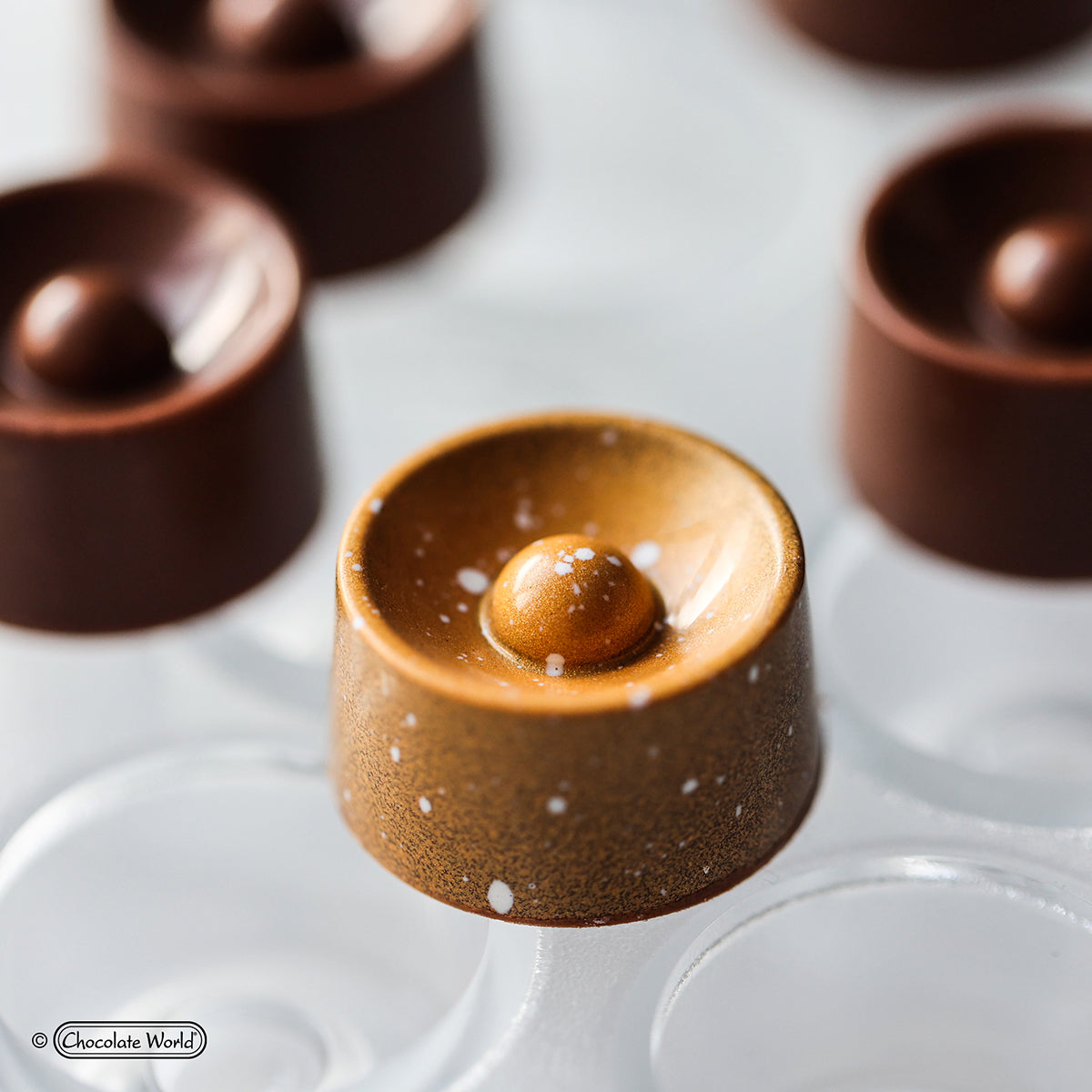
| Chocolate World CW1921 bonbon mould | 21 pieces of 10.5 g per mould | $39.95 CAD |
With these figures you can write capacity as arithmetic a lender can check: for example, 100 bonbons of 10.5 g need five CW1921 moulds per run (5 × 21 = 105 cavities). Hand tempering has a ceiling too: KREA Swiss notes that passive hand cooling works for a few hundred grams. For the machine decision, our guide to tempering machines walks through the payback reasoning.
Procurement: name your suppliers
BDC asks you to list key suppliers and explain why you chose them, with costs, location and processing time, and any cross-border issues if they are abroad. For a chocolate business, the couverture or cacao supplier defines your product, so attach the technical data:
- Bassan Sur del Lago 71% → made in Canada from Venezuelan cacao, with a bilingual technical sheet; melt at 50°C (122°F) maximum, temper to 30–32°C (86–90°F); 5 kg bag $273.00 CAD, 20 kg case also available.
- Sur del Lago cacao beans → for bean-to-bar plans: fermented to at least 65% uniformity, sun-dried to about 5.4% moisture, each lot with a Certificate of Origin & Authenticity; 1.5 kg bag $80.00 CAD.
People and risk
State how many people you need, their roles and how you will recruit and pay them. Then list the risks in your operations and your contingency for each, such as a machine breakdown in your busiest month or a supplier running out of your couverture.
Section 4: Financial information
Cash flow forecasts are the foundation of the plan: present them monthly, in a spreadsheet, including your start-up costs (BDC).
- Start-up costs: equipment, moulds, first ingredient stock, packaging, kitchen fit-out, permits and insurance. The equipment table above gives you real prices to start from.
- Monthly cash flow: sales by month from your forecast; couverture, packaging, rent and wages as monthly costs. BDC notes that lenders prefer conservative assumptions and scenarios (good, neutral and bad) with a plan for when things go wrong.
- Existing businesses: add your balance sheet, income statement, statement of cash flows and statement of retained earnings.
- GST/HST: under the Excise Tax Act you are a small supplier while your taxable supplies, together with those of associated persons, do not exceed 30,000 dollars over the four preceding calendar quarters or within a single quarter (s. 148). Once you are no longer a small supplier, you must register for GST/HST (s. 240). Plan your prices for it.
Funding options to name in the plan
- Bank loans under the Canada Small Business Financing Program: the program makes it easier for small businesses to get loans from financial institutions by sharing the risk with lenders, and can finance equipment, renovations and working capital. Ask your financial institution about it.
- Futurpreneur Canada: a not-for-profit organization that offers start-up advice and financing in partnership with BDC.
- Your own savings and any partners' investment, stated clearly.
Three mistakes that weaken a chocolate business plan
BDC sees the same three problems again and again.
- Outsized ambitions: every assumption and projection should be one you can justify.
- Hiding financial difficulties: tell your lender the real situation, for example if your sales fluctuate.
- Being vague: the management team, marketing plans and the justification of cash flow forecasts are where most plans skimp.
On length, BDC's adviser puts quality before quantity: a short plan with bullet points and a few charts can work better than a hundred pages with no substance.
How AI can help your production
BDC itself notes that a generative AI tool can help create a first draft of a business plan, provided you judge the output critically and do not enter proprietary information unless you use a professional version. Use it for the spreadsheet work: give it your recipes in grams and your purchase prices and ask for the cost per bonbon and per box; give it your equipment capacities and ask for a weekly production plan; ask it to lay out a 12-month cash flow with good, neutral and bad scenarios that you then check line by line.
AI organises the information; tasting and the final decision stay with your chef.
Equipment and ingredients for your plan at Zucchero Canada
We supply chocolate businesses across Canada and can give you current prices and specifications for the operations and start-up cost sections of your plan. We are the exclusive distributor of Bilait in Canada and an authorized distributor of Pavoni Italia, Chocolate World, Martellato and Pomati, each with its place in a growing business: Martellato melters and tools to start, the Pavoni MiniTemper for first sales on 110V, the Bilait Adam K6 for regular production, and Chocolate World moulds for the range itself.
To build the technical side of your team, Chocolate by Ramon Morató ($160.00 CAD) covers tempering, coating and glazing, and bonbon fillings that resist drying and crystallisation, in 416 pages and 200 recipes.
Orders over CAD 500 get 5% off automatically at checkout; machines, chocolate and cacao are excluded from free shipping, and food products are sold within Canada only. Customers who bought their machine from us get 15% off genuine spare parts with code PARTS15. Working on your plan and need figures? Contact our team or call 587-774-8873 (toll free 877-741-8251).
Tempering machines | Chocolate melters | Bonbon moulds | How to start a chocolate business | Bean-to-bar business guide
This article is for information only. Every business is different: draw your own conclusions based on your own expectations, budget and goals, and talk to qualified experts before you decide or invest.
Sources: Business Development Bank of Canada, "How to write an effective business plan" (bdc.ca); Innovation, Science and Economic Development Canada, "Canada Small Business Financing Program"; Canadian Food Inspection Agency, "Licensing under the Safe Food for Canadians Regulations"; Excise Tax Act, R.S.C. 1985, c. E-15, ss. 148 and 240(1); KREA Swiss Knowledge, "Tempering"; Bilait catalogue 2026 (Adam K6); Chocolate World Moulds catalogue Edition 15 (CW1921); Martellato Digital Meltinchoc user manual; product data for Pavoni MiniTemper, Bassan Sur del Lago 71%, Sur del Lago cacao beans and Chocolate by Ramon Morató (zuccherocanada.ca).
Good to know
Frequently asked questions
What should a chocolate business plan include?
The four areas BDC lists for any business plan: company profile (product, value proposition, team, legal structure, permits, market research), sales and marketing (top marketing activities, pricing, forecast rationale), operations (location, equipment and production, suppliers, staff, risks) and financial information (start-up costs and a monthly cash flow forecast).
Do I need an executive summary in my chocolate business plan?
Only if your lender or investor asks for one. BDC's adviser recommends leaving it out otherwise and, if you include it, writing it after the rest of the plan is finished.
How do I calculate the cost of a chocolate for my business plan?
Add the couverture and filling weight × your cost per gram, the packaging, the labour minutes × your hourly cost and a share of rent and equipment. Then compare the result with your competitors' prices and decide your positioning.
How do I show production capacity in a chocolate business plan?
Use manufacturers' figures. A Chocolate World CW1921 mould makes 21 bonbons of 10.5 g; the Bilait Adam K6 tempers 20 kg of chocolate in 4.5 hours, up to 45 kg a day. A lender can check capacity written this way.
How can I finance chocolate equipment in Canada?
Ask your bank about the Canada Small Business Financing Program, which shares the risk with lenders and can finance equipment, renovations and working capital. Futurpreneur Canada offers start-up advice and financing in partnership with BDC.
Can Zucchero Canada help with equipment prices for my plan?
Yes. Contact our team for current prices and specifications of tempering machines, melters, moulds and couverture. Orders over CAD 500 get 5% off automatically; machines, chocolate and cacao are excluded from free shipping, and food products are sold within Canada only.
Shop this article
Products mentioned in this guide
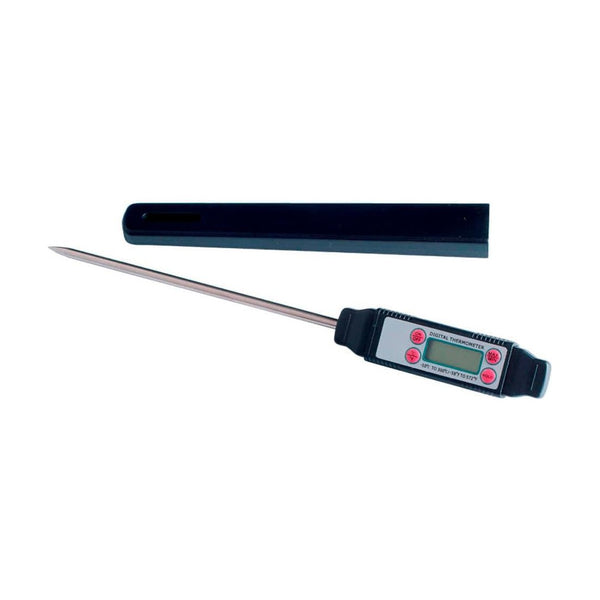 MartellatoDigital Thermometer for Chocolate 50T001$29.95 CADView product →
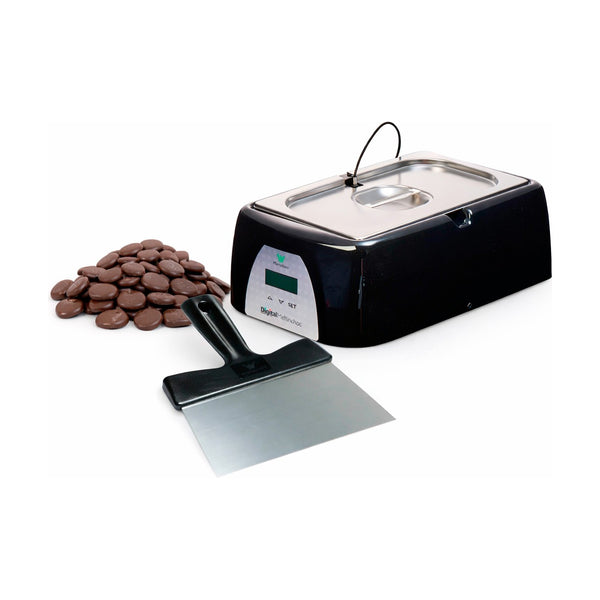 MartellatoMeltinchoc Digital Melter 3.6 L – MCD101110V$1,150.00 CADView product →
 Pavoni ItaliaPavoni MiniTemper 110V Chocolate Tempering Machine MINITEMPER-110V$3,350.00 CADView product →
 BilaitBilait Adam K6 — 6 kg Tabletop Chocolate Tempering Machine$10,990.00 CADView product →
For professionals
Equipping a chocolate shop, bakery or kitchen?
Tell us what you produce and how much. We will recommend the right machine, moulds and ingredients, and send you a quote.
For home bakers
Professional tools for your own kitchen
The same European moulds, tools and ingredients the professionals use.
5% off orders over $500 CAD, applied automatically at checkout.
Keep reading


Leave a comment
All comments are moderated before being published.
This site is protected by hCaptcha and the hCaptcha Privacy Policy and Terms of Service apply.