Chocolate Product Development: How to Develop a New Chocolate Product Step by Step
Short answer: chocolate product development runs in six stages: define the product and who buys it, formulate it (chocolate base, cacao percentage, inclusions), test it technically (tempering, setting, release, bloom), check what the Canadian rules let you call it and put on the label, cost each piece, then run a pilot batch before you scale up. Below, each stage with the questions to answer, the Canadian composition and labelling rules that shape your recipe, and the ingredients and moulds to prototype with.
The six stages at a glance
| Stage | Question to answer | What you should have at the end |
|---|---|---|
| 1. Concept | Who buys it, in what format, at what price, for what occasion? | A one-page product brief |
| 2. Formulation | Which chocolate base, which cacao %, which inclusions? | A weighed recipe with its cacao % calculated |
| 3. Technical tests | Does it temper, set, release and keep its shine? | A written procedure with temperatures |
| 4. Rules and label | What can you call it, and what must the label say? | A draft label checked against CFIA guidance |
| 5. Costing | What does one piece cost, packed? | A cost per piece and a selling price |
| 6. Pilot and scale-up | Do customers buy it, and can you make it every week? | Feedback, a batch size and the equipment plan |
Step 1: Define the product and its customer
Start with one sentence: who buys this, in which format, for which occasion, at which price. A tablet for a café counter, a box of bonbons for corporate gifts and a bean-to-bar single-origin bar are three different developments, with different moulds, shelf-life needs and packaging.
Write down what will make it different and how you will prove it. Origin is one story you can document: our Sur del Lago cocoa beans from Venezuela come with a Certificate of Origin & Authenticity for each lot, which gives a single-origin claim a paper trail.
Step 2: Formulate the recipe
Choose your base first: start from a finished couverture to develop fast, or from the bean if the product is the chocolate itself. Then adjust cacao percentage and add inclusions.
| Role in the recipe | Ingredient | What the product data says | Price |
|---|---|---|---|
| Couverture base | Bassan Sur del Lago 71%, 5 kg | Made in Canada from Venezuelan cacao; roasted cocoa beans, cocoa butter, cane sugar, organic sunflower lecithin; fluidity 4/5; vegan | $273.00 CAD |
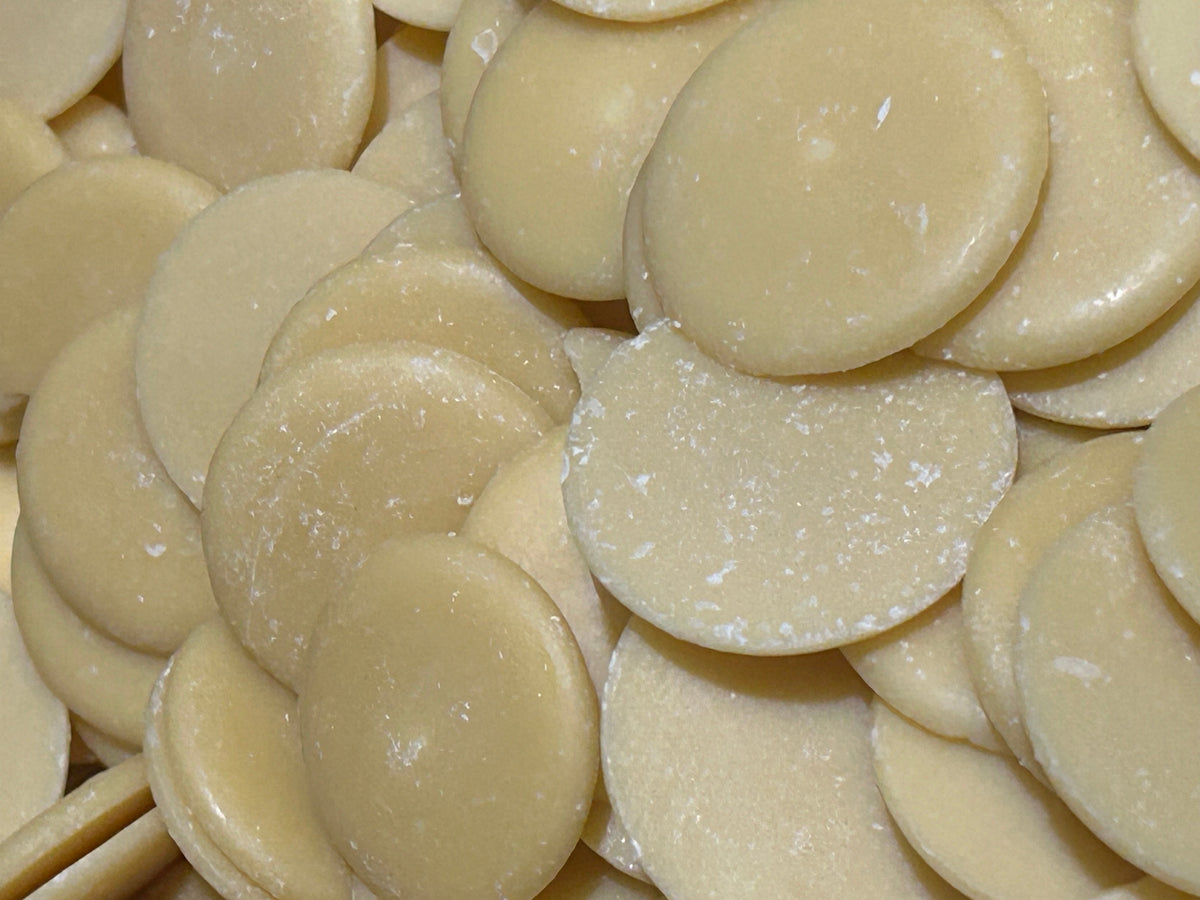
| Raise the cacao % | Cocoa liquor wafers, 100% Peru, 1 kg | Natural cocoa mass, no added fat or sugar | from $29.99 CAD |
| Crunchy inclusion | Cacao nibs, Venezuela, 1 kg | Carenero Superior, Río Caribe Superior and Sur del Lago beans; 54–56% fat | from $69.95 CAD |
| Bean-to-bar | Sur del Lago beans, 1.5 kg | Fermented to at least 65% uniformity, sun-dried about 7 days to about 5.4% moisture | from $80.00 CAD |
Working out the cacao percentage. When you blend ingredients, the cacao percentage is a weighted average. Example: 900 g of a 71% couverture plus 100 g of 100% cocoa liquor gives (900 × 71 + 100 × 100) ÷ 1,000 = 73.9% cacao. In Canada a "X% cacao" statement is permitted as long as it is factual, so keep the calculation in your product file.
Inclusions. The cacao nibs product page notes that, because of natural harvesting, small pieces of branch, shell or stone may be present and must be removed before direct consumption: sort them before they go into a bar.
Not sure what the percentage on a label really measures? Read what the cacao percentage really means.
Step 3: Test it technically
A recipe is ready only when it tempers, sets, releases and keeps. Tempering steers cocoa butter into its stable crystal form; KREA Swiss lists what that gives you: gloss, a clean snap, a smooth texture and a longer shelf life with far less risk of bloom. Badly tempered chocolate turns soft or blooms, sometimes weeks later, which is why a test has to last longer than one afternoon.
Use your couverture's own data as the starting point. Bassan's method for its 71%: melt at no more than 50°C (122°F), temper to 30–32°C (86–90°F), use within 4 hours, crystallise moulded pieces at 16–18°C (61–64°F), store at 16–20°C (61–68°F) below 50% relative humidity. Bassan gives a best-before of 18 months for the couverture itself; your finished product, with its fillings and inclusions, needs its own storage test.
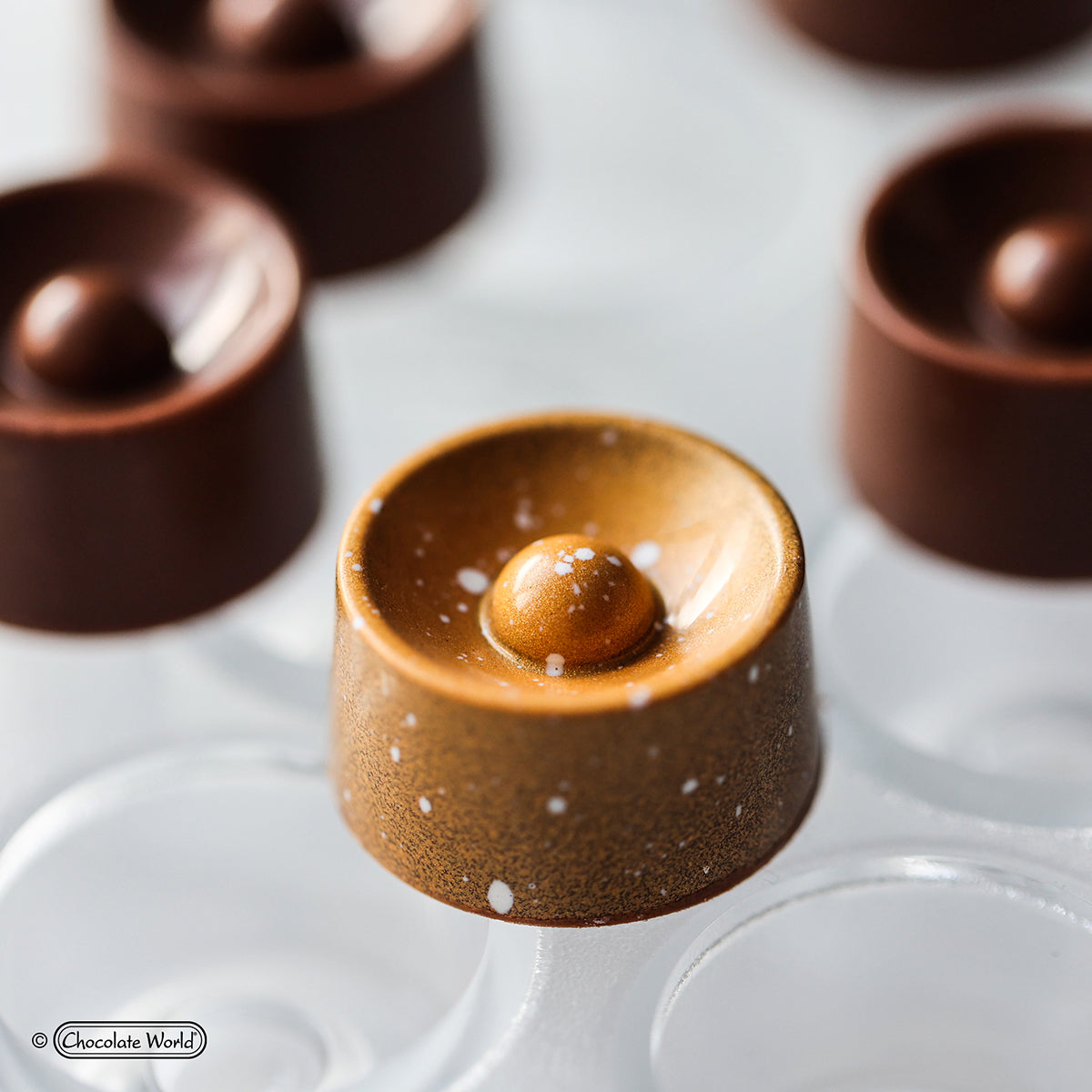
Prototype in the mould you will sell in. Chocolate World polycarbonate bar moulds, made in Belgium:
- View the Tablet 100 g mould CW2162 (3 tablets) → from $44.95 CAD
- View the Tablet 240 g mould CW2278 → from $44.95 CAD
View all bar and tablet moulds →
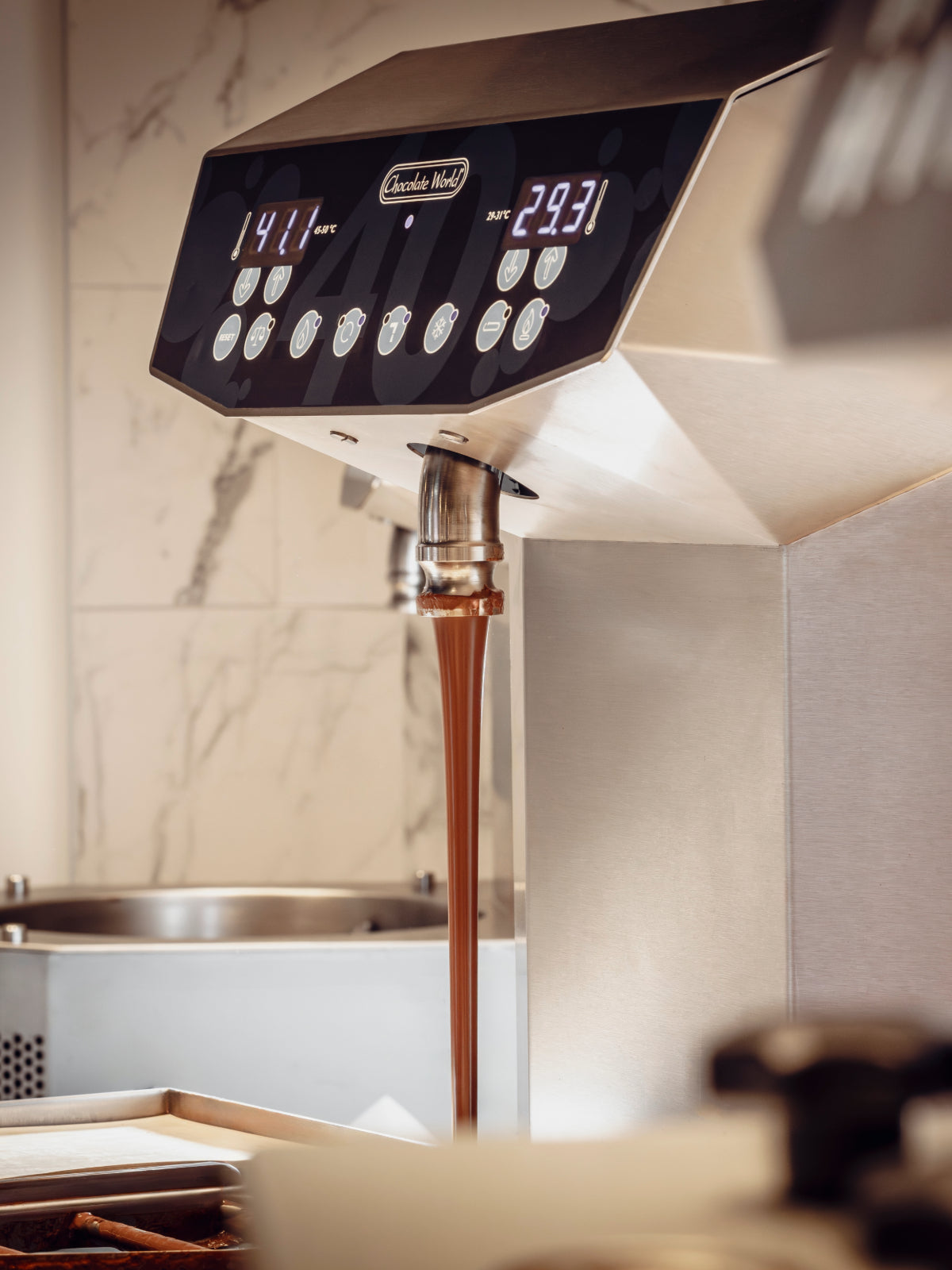
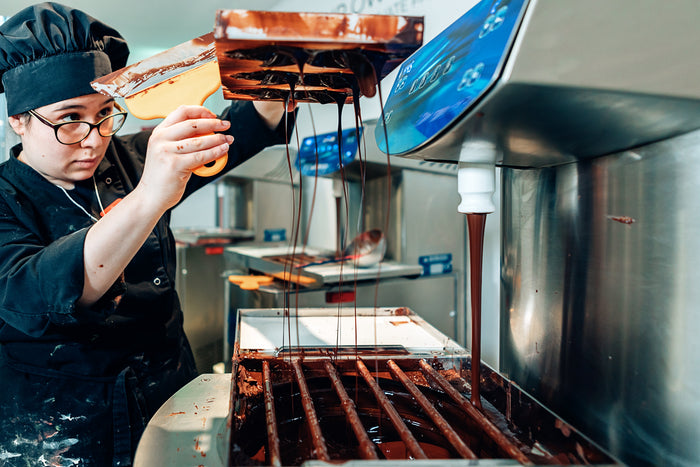
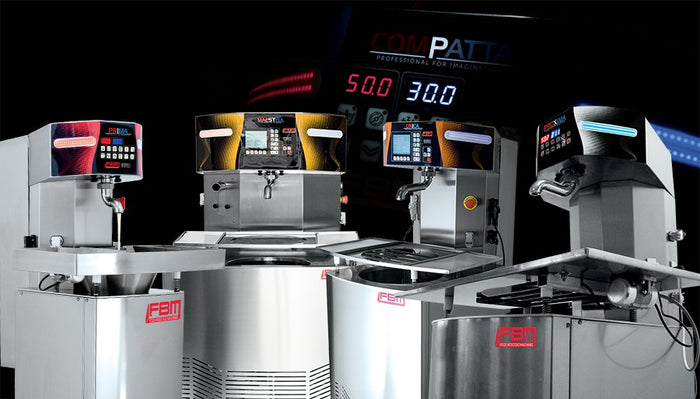
For repeatable test batches, the Pavoni MiniTemper $3,350.00 CAD stores five programmable tempering curves, each with melt, crystallise and harden stages, so every trial runs on the same curve. Our tempering troubleshooting guide helps when a trial will not set or shine.
Step 4: Check the rules and the label in Canada
The name on the front of the package is regulated. Chocolate products sold in Canada fall under the Safe Food for Canadians Act and Regulations and the Food and Drugs Act and Regulations, and the standards for cocoa and chocolate products are in Volume 4 of the Canadian Food Compositional Standards (CFCS).
| To call it… | Minimum composition (CFCS Volume 4) |
|---|---|
| Chocolate, dark, semi-sweet or bittersweet chocolate | 35% total cocoa solids, of which 18% cocoa butter and 14% fat-free cocoa solids; less than 5% milk solids |
| Milk chocolate | 25% total cocoa solids (15% cocoa butter, 2.5% fat-free cocoa solids), 12% milk solids, 3.39% milk fat |
| White chocolate | 20% cocoa butter, 14% milk solids, 3.5% milk fat |
What changes the name, according to CFIA:
- Inclusions: nuts or raisins must appear in the common name ("dark chocolate with nuts"). Completely ground nuts, such as hazelnut paste, count as flavouring and do not change the name, but they must be declared as an allergen.
- Sweeteners: food additive sweeteners such as aspartame, sorbitol or sucralose are not permitted in standardized chocolate. A bar sweetened with maltitol needs a descriptive name such as "milk chocolate sweetened with maltitol".
- Other fats: adding vegetable fats other than cocoa fat takes the product out of the standard, so it needs a modified common name.
- "Cacao" or "cocoa": "X% cacao" is fine on the front if factual, but the ingredient list must say "cocoa".
- Origin claims: "Belgian chocolate" means produced in Belgium; see what makes Belgian chocolate special.
Other label points to plan for: Health Canada's priority allergens (eggs, milk, mustard, peanuts, crustaceans and molluscs, fish, sesame seeds, soy, sulphites, tree nuts, wheat and triticale); a Nutrition Facts table, which a box of assorted chocolates can show as one composite value or one per variety, and which is not required on a package with less than 15 cm² of display surface; and Health Canada's front-of-package symbol, required on prepackaged foods that meet or exceed set levels of saturated fat, sugars or sodium.
If you import ingredients, or manufacture, package or label food that crosses a provincial or territorial border, CFIA requires a Safe Food for Canadians licence. Our guide on how to start a chocolate business in Canada covers licences and start-up equipment in more detail.
Step 5: Cost each piece
Price comes from the cost of one finished, packed piece. Build it in four lines: ingredients (recipe cost divided by the number of pieces it yields, plus your waste), packaging, labour (minutes per batch times your hourly cost, divided by pieces) and overhead. Your mould fixes the yield: a CW2162 makes 3 tablets of 100 g per fill, so you know exactly how many fills a batch needs. Use the live prices in the table above for your ingredient lines, and update them when you reorder.
Orders over CAD 500 get 5% off automatically at checkout, which lowers the ingredient line for production-size orders.
Step 6: Pilot batch, feedback and scale-up
Make a small pilot batch, give it to the customers you described in step 1, and ask the same few questions each time: flavour, texture, appearance, price and whether they would buy it again. Change one thing at a time, so you know what made the difference.
When the product sells, scale the equipment to the volume you actually sell. A tabletop tempering machine covers pilot and small production; continuous machines and enrobers come with volume, and bean-to-bar makers add roasting, cracking, refining and conching.
View chocolate tempering machines →
How AI can help your production
Give an AI assistant your recipe and ask it to calculate the cacao percentage of each version, scale the recipe to your mould and batch size, and build the cost-per-piece sheet from step 5. Paste the CFIA points above and ask it for a label checklist for your product. It can also turn customer feedback from the pilot into a short summary, and draft the written procedure for your team.
AI organises the information; tasting and the final decision stay with your chef.
Developing your product with Zucchero Canada
We stock the pieces of a chocolate development: Venezuelan and Peruvian cacao (beans, nibs, cocoa liquor), Bassan couverture made in Canada, KKO Real Venezuelan cocoa products (we are the exclusive distributor in Canada), and Chocolate World moulds made in Belgium. Each has its role: couverture for speed, cocoa liquor to tune the percentage, nibs for texture, beans when the chocolate itself is the product.
For the method behind the recipes, two books we stock: Files by Ramon Morató $150.00 CAD, which treats pastry as research, with science-based methods for bonbons, bars and other products and chapters on trends such as veganism; and Chocolate, 6th edition, by Ramon Morató $160.00 CAD, with tempering, coating and studies on fillings and raw materials.
Developing a product for a shop, a hotel or wholesale? Contact us for volume orders, or call 587-774-8873 (toll free 877-741-8251). Cacao beans and chocolate ship within Canada only.
Start a chocolate business | Business planning | Bean-to-bar in Canada | Cacao | Bar & tablet moulds
This article is for information only. Every business is different: draw your own conclusions based on your own expectations, budget and goals, and talk to qualified experts before you decide or invest.
Sources: Canadian Food Compositional Standards, Volume 4 – Cocoa and Chocolate Products; CFIA, "Labelling requirements for confectionery, chocolate and snack food products" and "Licensing under the Safe Food for Canadians Regulations"; Health Canada, "Food allergies" and "Front-of-package nutrition symbol labelling"; KREA Swiss Knowledge, "Tempering, what it really is and where it goes wrong"; Bassan Chocolate, Sur del Lago 71% product and technical data; Canada Cacao Co. product data (Sur del Lago beans, cacao nibs, cocoa liquor); Chocolate World and Pavoni Italia product data.
Good to know
Frequently asked questions
What are the steps of chocolate product development?
Six stages: define the product and its customer, formulate the recipe (base, cacao percentage, inclusions), test it technically (tempering, setting, release, bloom), check the Canadian composition and labelling rules, cost each piece, and run a pilot batch before scaling up.
How do I calculate the cacao percentage of my chocolate recipe?
Use a weighted average of your cocoa ingredients. For example, 900 g of a 71% couverture plus 100 g of 100% cocoa liquor gives (900 × 71 + 100 × 100) ÷ 1,000 = 73.9%. In Canada a "X% cacao" statement is permitted when it is factual, so keep the calculation on file.
What can I legally call "chocolate" in Canada?
Under Volume 4 of the Canadian Food Compositional Standards, chocolate (dark, semi-sweet or bittersweet) needs at least 35% total cocoa solids, including 18% cocoa butter and 14% fat-free cocoa solids. Milk chocolate needs 25% total cocoa solids, 12% milk solids and 3.39% milk fat; white chocolate needs 20% cocoa butter, 14% milk solids and 3.5% milk fat. Added vegetable fats or food additive sweeteners require a modified name.
Do I need a licence to sell a new chocolate product?
CFIA requires a Safe Food for Canadians licence if you import food, or manufacture, process, package or label food that is sent across provincial or territorial borders. For a product made and sold only within your province, also check provincial and municipal rules with your local health authority.
How do I test the shelf life of a new chocolate product?
Store pilot pieces under the conditions you will sell them in and check them over time for bloom, texture and flavour. Start from your couverture's data: Bassan, for example, recommends 16–20°C (61–68°F) below 50% relative humidity and gives 18 months for the couverture itself. Fillings and inclusions change the result, so your own test decides.
Do cacao beans, couverture and molds qualify for free shipping?
Moulds count toward free shipping on orders of CAD 300 or more within Canada; remote areas and the territories pay the actual carrier rate. Cacao, chocolate and machines are excluded from free shipping, and food products ship within Canada only. Orders over CAD 500 get 5% off automatically at checkout.
Shop this article
Products mentioned in this guide
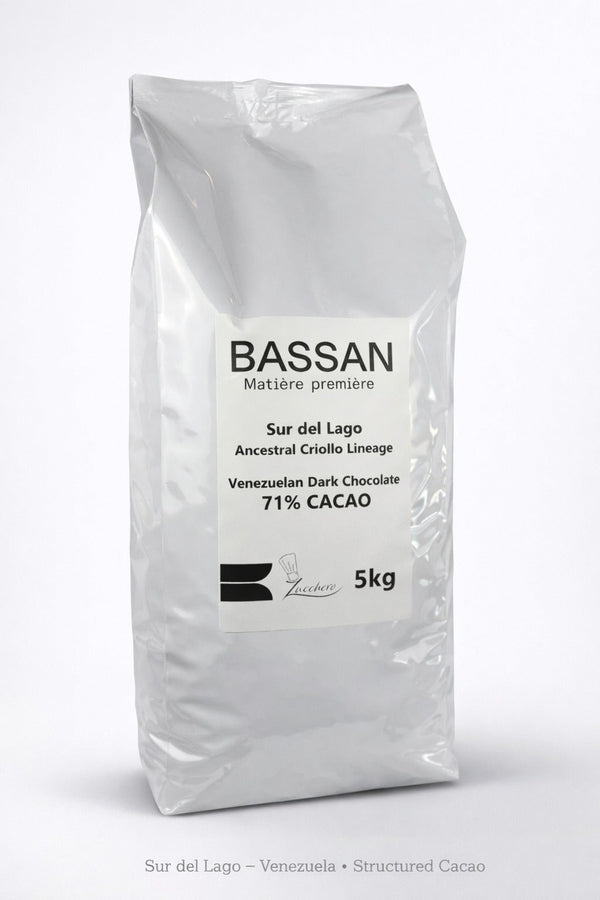 Bassan ChocolateSur del Lago Ancestral Criollo Lineage Dark Chocolate 71%From $69.95 CADView product →
 Canada Cacao Co.Natural Cocoa Liquor Wafers - 100% Peruvian Fine CocoaFrom $29.99 CADView product →
 Canada Cacao Co.Cacao Nibs - Single Origin "Venezuela"From $69.95 CADView product →
 Canada Cacao Co.Sur del Lago Ancestral Criollo Lineage Cocoa Beans · VenezuelaFrom $80.00 CADView product →
For professionals
Equipping a chocolate shop, bakery or kitchen?
Tell us what you produce and how much. We will recommend the right machine, moulds and ingredients, and send you a quote.
For home bakers
Professional tools for your own kitchen
The same European moulds, tools and ingredients the professionals use.
5% off orders over $500 CAD, applied automatically at checkout.
Keep reading


Leave a comment
All comments are moderated before being published.
This site is protected by hCaptcha and the hCaptcha Privacy Policy and Terms of Service apply.