





Overheated chocolate and seized chocolate are two of the most common production problems in a chocolate or pastry kitchen — and both are recoverable in most cases. Understanding what actually happened to the chocolate is the first step to fixing it correctly, and more importantly, to preventing it from happening again.
Overheated chocolate vs seized chocolate: they are different problems
These two terms are often used interchangeably but describe different situations with different causes and different fixes.
| Problem | What happened | Visual signs | Recoverable? |
| Overheated chocolate | Temperature exceeded safe range, cocoa butter structure degraded | Thick, grainy, lumpy texture. May have scorched smell. | Sometimes — depends on severity |
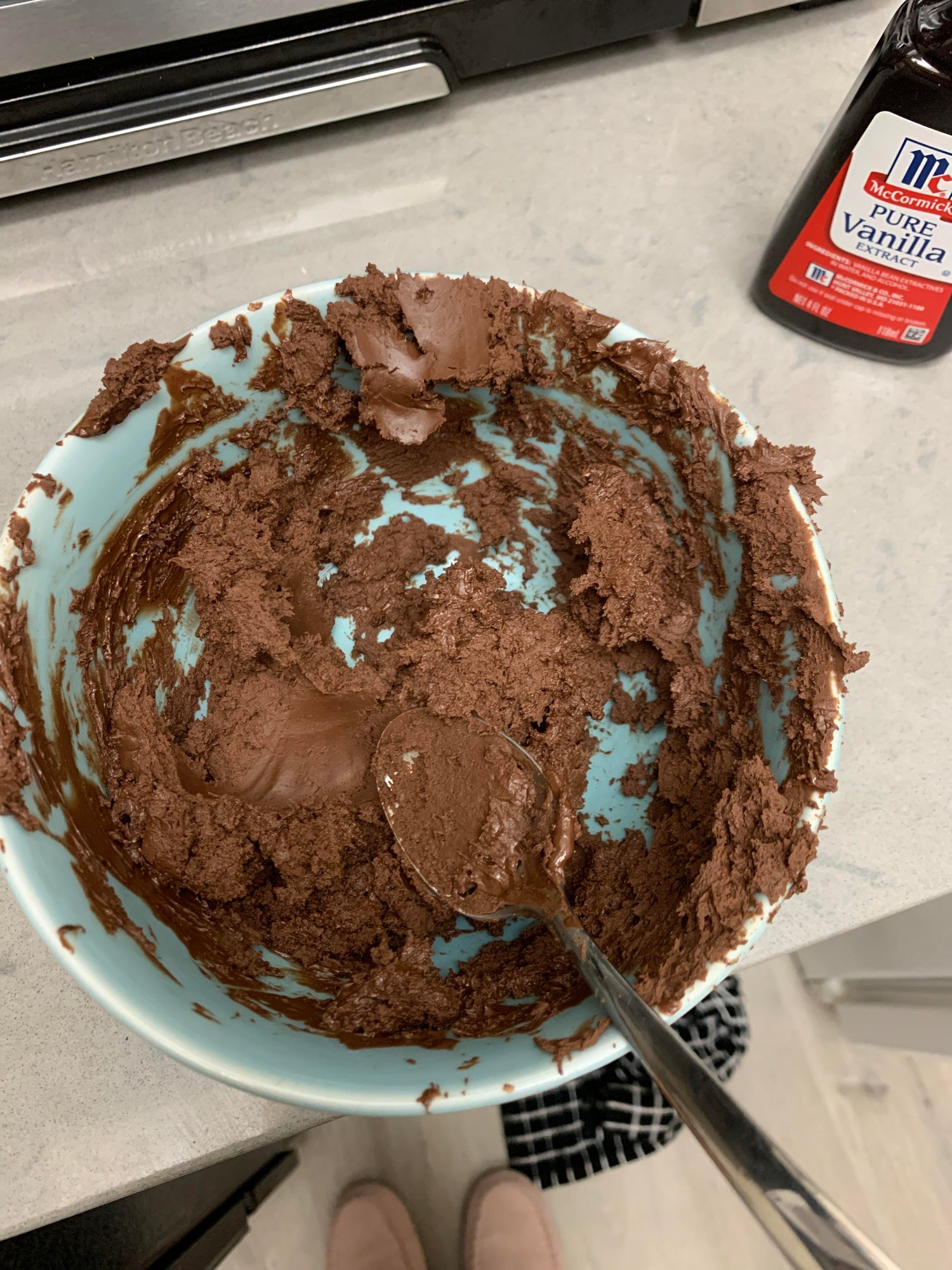
| Seized chocolate | Small amount of water contacted the chocolate | Suddenly thick, stiff, paste-like. Resists stirring. | Yes — add more liquid to recover |
| Bloomed chocolate (after setting) | Unstable crystallization or temperature fluctuation | White or grey surface film after setting | Yes — re-melt and re-temper |
| Fat-separated chocolate | Severe overheating, cocoa butter separated from solids | Oily layer visible on surface, grainy solids below | Rarely — usually discard |
How to fix seized chocolate
Seized chocolate happens when a small amount of water — steam, condensation, a wet utensil, or a water-based flavoring — contacts the chocolate. The sugar crystals dissolve in the tiny amount of water and form a sticky paste that locks up the entire mass. It feels like the chocolate has set solid even though it is warm.
The counterintuitive fix: add more liquid. Once you have enough liquid relative to the chocolate mass, the sugar re-dissolves properly and the chocolate loosens. The threshold is roughly 1 tablespoon of liquid per 60g of chocolate. Use warm cream, warm water, or milk — add it slowly while stirring constantly over gentle heat.
The result will not be tempered chocolate suitable for molding or dipping — it will be a ganache or sauce. That is fine for fillings, glazes, drinking chocolate, or baked applications. You cannot re-temper chocolate that has had liquid added to it.
Prevention: Always use completely dry utensils and bowls. Keep lids off melted chocolate to avoid condensation dripping back in. Never add water-based flavorings directly — use oil-soluble flavorings or emulsified compounds designed for chocolate.
How to fix overheated chocolate
Overheating degrades the cocoa butter structure and can scorch the cocoa solids. The safe upper limits by chocolate type:
- Dark chocolate: Do not exceed 55°C (131°F) when melting
- Milk chocolate: Do not exceed 50°C (122°F)
- White chocolate: Do not exceed 45°C (113°F)
If you have exceeded these temperatures but the chocolate does not smell burnt and has not separated, it may still be recoverable:
- Remove from heat immediately
- Transfer to a cool, clean bowl
- Add a small amount of fresh unmelted couverture (about 10-15% of the batch weight) and stir to seed
- Stir continuously until the temperature drops to working range
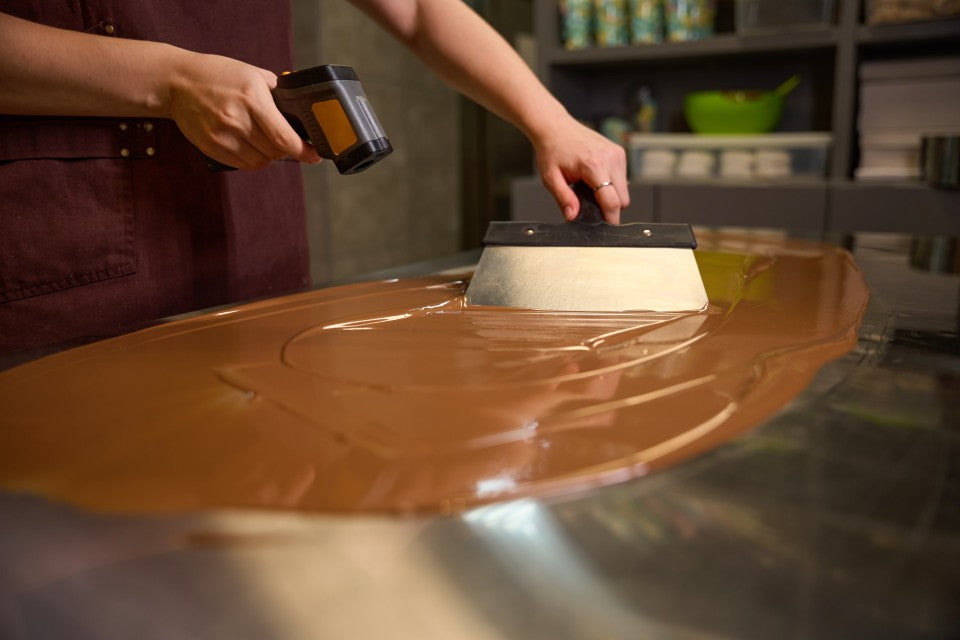
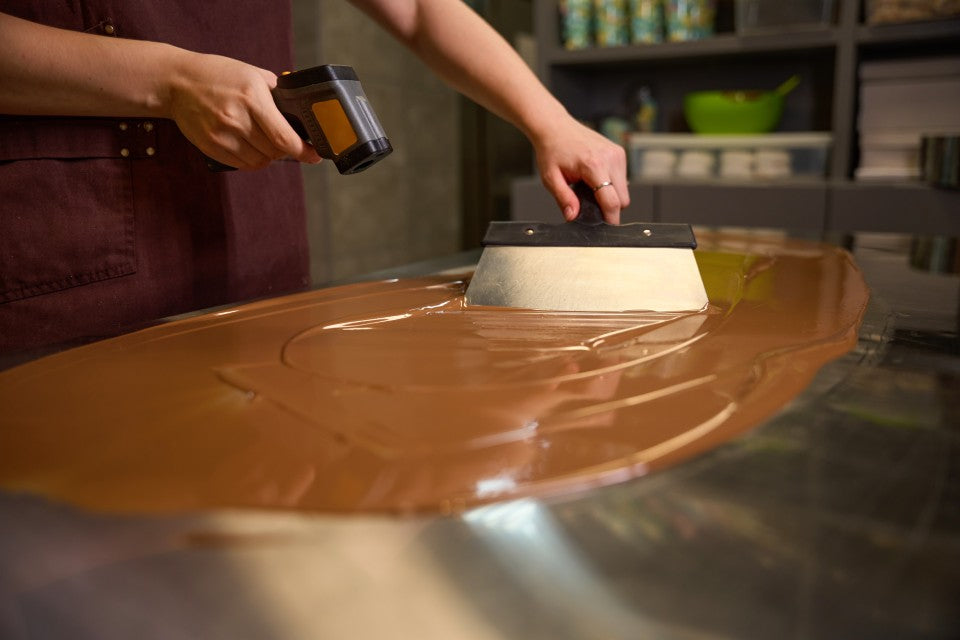
- Test temper on a marble slab or piece of parchment — if it sets with a shine within 3-4 minutes at room temperature, the temper is good
If the chocolate smells burnt, has a grainy texture that does not smooth out, or shows visible fat separation (oily layer on top), it is not worth trying to recover for finished products. It can still be used for ganaches, fillings, or baked goods where the structural properties do not matter.
Re-melting and re-tempering: the standard recovery
For chocolate that has bloomed, set improperly, or simply gone cold during a production session — re-melting and re-tempering is completely standard practice. This is not a sign of failure; it is normal production workflow.
Bloomed chocolate (white or grey surface) is purely a crystallization defect — the chocolate is safe, nutritionally unchanged, and fully re-temperable. Put it back in your melter, bring it to melt temperature, and re-temper in your tempering machine. The cocoa butter reforms into stable Form V crystals and the bloom disappears.
For more detail on what bloom is and why it happens, see our guide: Chocolate Bloom vs Mold: How to Tell Them Apart.
Why most overheating problems are equipment problems
In a professional production context, chocolate should rarely overheat if you have the right equipment. The most common causes of overheating:
- Microwave melting: Uneven heat distribution creates hot spots that scorch before the rest of the batch is melted. Even on low power, this is unreliable for production work.
- Double boiler without temperature monitoring: Steam and contact with the hot bowl can easily push chocolate above safe limits without visible warning.
- Leaving chocolate unattended on a heat source: Any direct or indirect heat source without active temperature control will eventually overheat chocolate if left long enough.
The solution at every scale is a dedicated melter that holds chocolate at a set temperature with active thermostat control — no fluctuation, no risk of overheating, no manual monitoring required.
Martellato Meltinchoc — controlled melting for professional kitchens
The Martellato Meltinchoc range is purpose-built for professional chocolate and pastry work — analogue-controlled stainless steel melters that hold chocolate at a stable temperature for as long as you need, at 110V standard outlet:
- Meltinchoc 3L Multi-Tank — $865 CAD. Three independent 1L tanks — work with dark, milk, and white simultaneously without cross-contamination risk.
- Meltinchoc 6L — $925 CAD. Single bowl countertop melter. Standard starting point for professional kitchens.
- Meltinchoc 9L — $1,150 CAD. Mid-volume for busier production.
- Meltinchoc 13.7L — $1,369 CAD. Large-format for high-volume ganache and coating production.
A melter eliminates the overheating problem at the source — you set the temperature once and the chocolate stays there. For tempering (molding, dipping, enrobing), pair it with a dedicated tempering machine:
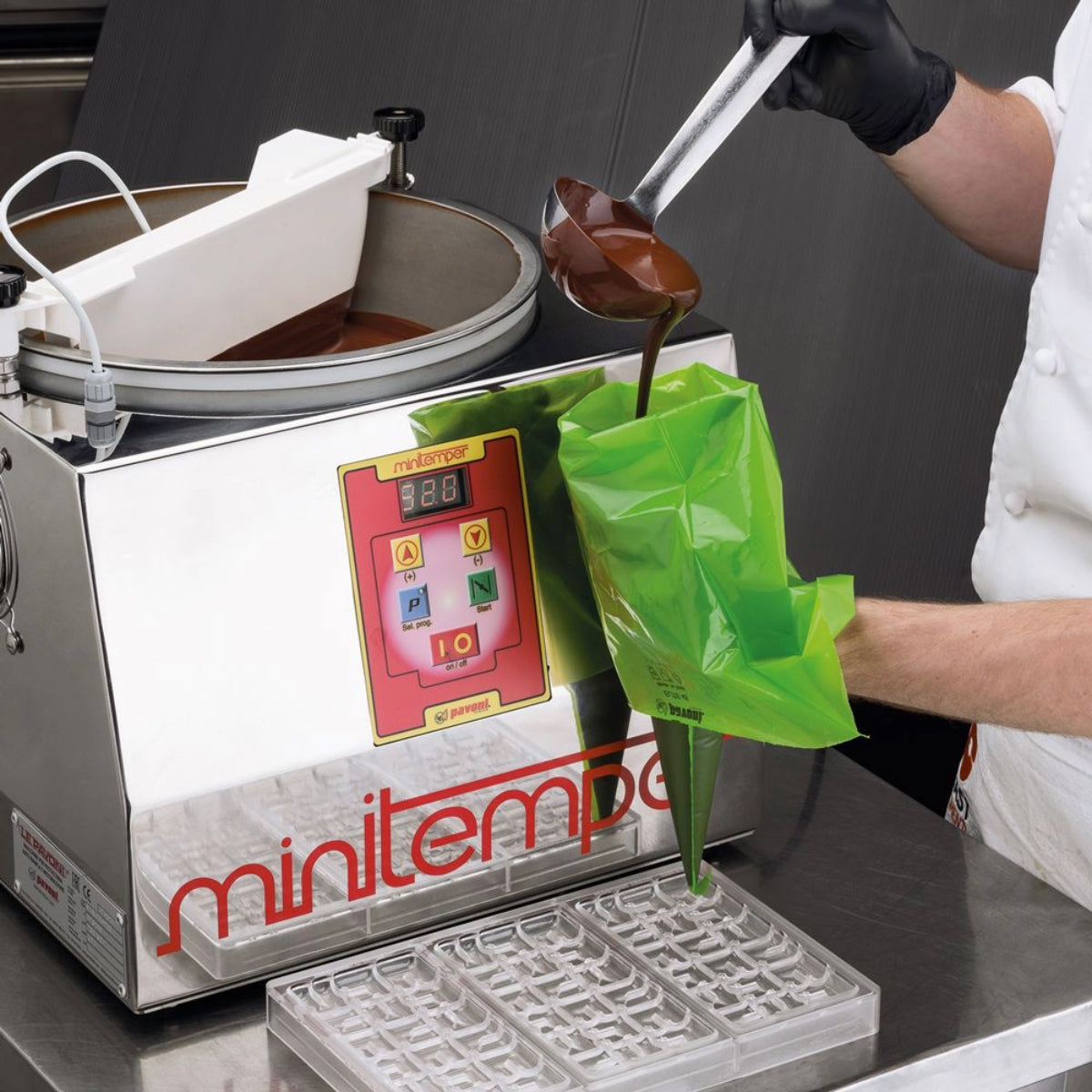
- Pavoni MiniTemper — 3.5 kg, 5 programs, 110V — $3,350 CAD
- Bilait Adam K6 — 6 kg continuous, touchscreen, 230V — $9,899 CAD
- Pomati T5 — 5 kg continuous, 110V universal — $11,650 CAD
Quick reference: overheated chocolate decision tree
| Situation | Action |
| Slightly overheated, no burnt smell, no separation | Cool quickly, seed with fresh couverture, re-temper |
| Seized (water contact), no heat damage | Add warm cream or water to make ganache. Use for fillings. |
| Burnt smell, grainy texture | Discard for finished products. Use for baking if mild. |
| Fat separated (oily layer visible) | Discard. Cannot be recovered for chocolate work. |
| Bloomed after setting | Re-melt and re-temper. Completely normal. |
| Thickened during working session (too cool) | Re-warm gently to working temperature. Re-test temper. |
Questions about equipment for your production setup? Contact our team — we work with chocolatiers and pastry chefs across Canada and can recommend the right melter or tempering machine for your volume.







Leave a comment
All comments are moderated before being published.
This site is protected by hCaptcha and the hCaptcha Privacy Policy and Terms of Service apply.