

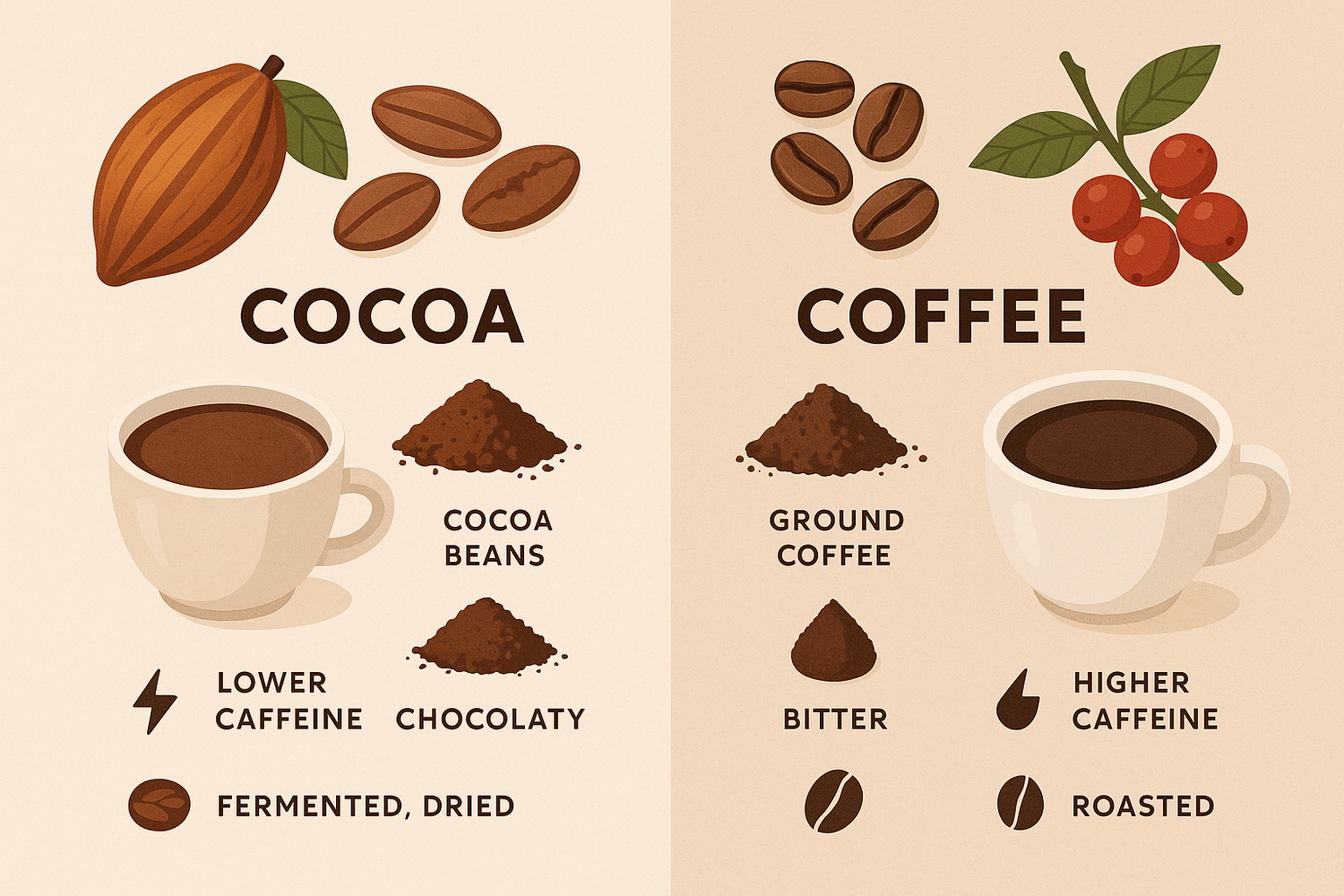
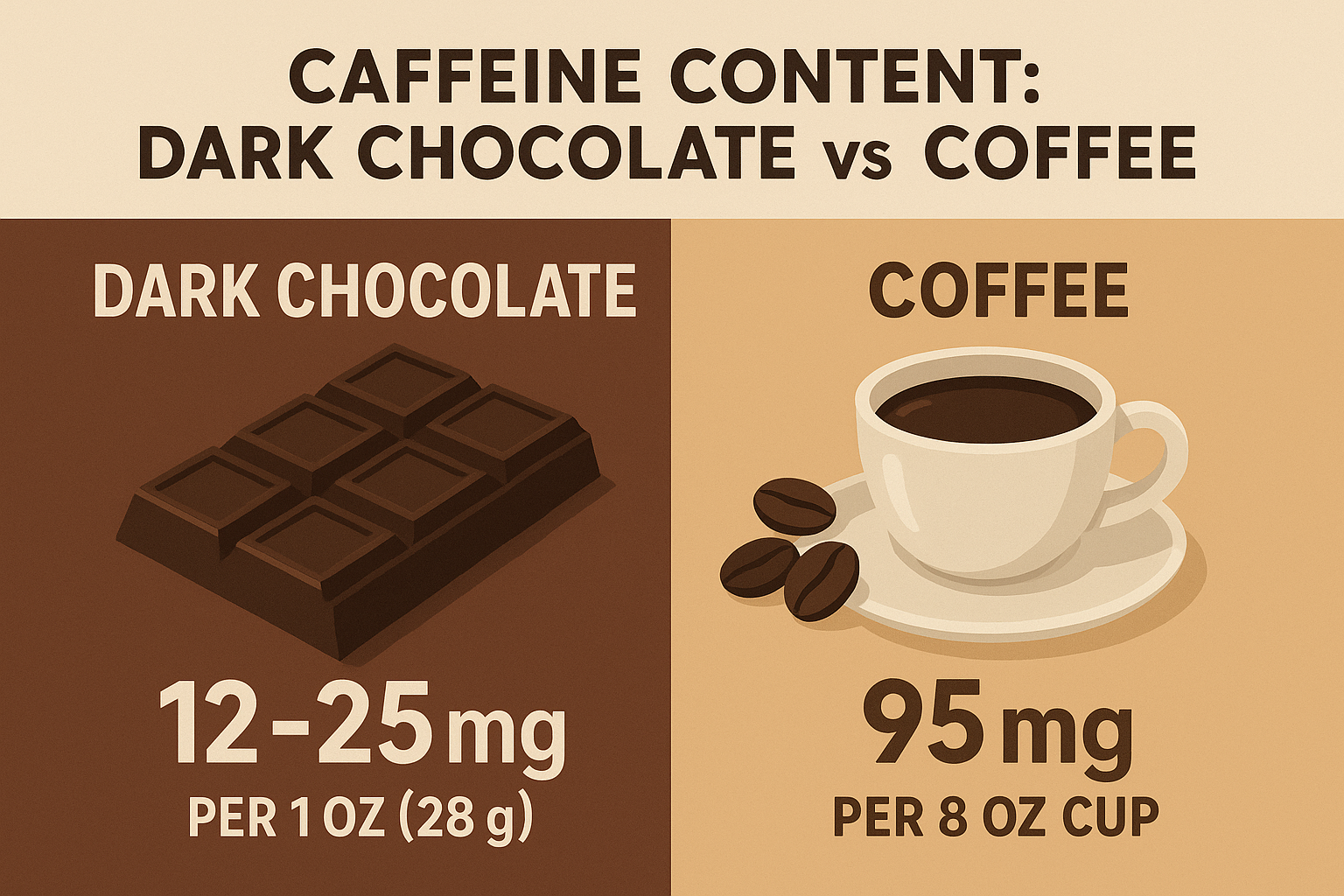
If you searched for the difference between cocoa and coffee, here's the short answer: they come from completely different plants (Theobroma cacao versus Coffea arabica), grow in similar tropical bands but for different reasons, and contain different stimulants — cocoa has theobromine and a small amount of caffeine, coffee has primarily caffeine. They're processed differently, used differently, and taste nothing alike.
But the more useful comparison — if you actually work with chocolate — isn't cocoa versus coffee. It's commodity cocoa versus fine-flavor cocoa. That distinction explains why a $4 supermarket chocolate bar tastes flat and one-dimensional, while a single-origin bar from Venezuela tastes like dried red fruits, almonds, vanilla, and tobacco all at once. And it's the reason serious chocolatiers, bean-to-bar makers, and pastry chefs source from specific regions of Venezuela rather than buying generic "dark chocolate" from anywhere.
This guide explains what fine-flavor cacao actually is, why Venezuela is considered its global gold standard, and what each of the legendary Venezuelan origins — Sur del Lago, Ocumare, Carenero, Río Caribe, Chuao, Porcelana — brings to the cup.
Commodity cacao vs. fine-flavor cacao
Roughly 95% of the world's cacao is commodity — mostly Forastero variety grown in West Africa (Ivory Coast, Ghana, Nigeria), valued for high yield and disease resistance, not flavor. It's traded on commodity exchanges, blended across thousands of farms, and used to make most of the chocolate sold globally. Its baseline flavor is generic "chocolate" with bitterness and astringency that has to be masked by sugar and milk solids.
The remaining 5% is fine-flavor cacao — recognized by the International Cocoa Organization (ICCO) as having distinctive aromatic and flavor characteristics. It commands 2-5x the price, sells under origin and farm identification, and is what you find on the back of premium bars from makers like Amedei, Domori, Pralus, Marou, and dozens of bean-to-bar artisans.
Venezuela is one of the few countries the ICCO recognizes as 100% fine-flavor cacao producer. That's not marketing — it's classification based on genetics, terroir, and post-harvest processing.
Why Venezuela: the genetic story
Cacao genetics fall into three main groups, and Venezuela is where two of the three originated and were preserved.
- Criollo: The original fine cacao. About 5% of world production. Native to Venezuela and Mesoamerica. Low yield, susceptible to disease, fragile to grow — but extraordinary flavor. Low theobromine means low natural bitterness. Most of the surviving pure Criollo on earth is in Venezuela.
- Forastero: The commodity workhorse. ~80% of world production. Native to the Amazon basin, dominant in West Africa. High yield, hardy, but flavor profile is one-dimensional.
- Trinitario: A natural hybrid of Criollo and Forastero that emerged in Trinidad in the 1700s after a hurricane wiped out the local Criollo crop. About 10-15% of world production. Fine-flavor potential with better yields than pure Criollo. Many Venezuelan plantations grow Trinitario varieties with high Criollo expression.
When chocolate professionals talk about "Criollo Blood" or "Ancestral Criollo Lineage" for Venezuelan beans, they're describing trees with very high Criollo genetic content — either pure Criollo or Trinitario crosses where the Criollo expression dominates the cup.
The legendary Venezuelan origins
Venezuela's fine cacao isn't a single product — it's a constellation of distinct regional origins, each with its own terroir, microclimate, and historical genetics. Here are the names every serious chocolate professional should know.
Chuao
The most famous cacao on earth. Grown in a small valley on the Aragua coast inside Henri Pittier National Park, only accessible by boat. Annual production is roughly 25-30 tons — a rounding error in global cocoa terms. The beans are fermented on the town plaza on stone slabs, dried under the Caribbean sun, and were the first cacao in the world granted a protected geographic indication (Denomination of Origin).
Flavor profile: dried red fruits (plum, cherry), tobacco, hint of leather, persistent finish. Used by Amedei (their legendary "Chuao" bar), Domori, Pralus. If a chocolate bar lists "Chuao" on the label, that's a serious investment for the maker — supply is tiny and competition for the beans is fierce. Chuao is the reference point against which other Venezuelan fine cacao is measured.
Sur del Lago
The region around Lake Maracaibo in western Venezuela (Zulia state). Volcanic soils, year-round rainfall, and high humidity create conditions for some of the most aromatic cacao in the country. Sur del Lago is where Porcelana grows — the rarest, most prized cultivar in the world, with translucent almost-white beans, extraordinarily low theobromine, and a delicate flavor of fresh almonds, vanilla cream, and pale honey.
Even non-Porcelana Sur del Lago beans carry distinctive citrus, white flower, and tropical fruit notes that distinguish them from any other Venezuelan region. Our Sur del Lago Ancestral Criollo Lineage is from this region — raw, fermented, ready for bean-to-bar work. The finished couverture Sur del Lago 71% from Bassan shows what this origin can do in a finished bar.
Porcelana
Not a region but a cultivar — the rarest pure Criollo cacao still in cultivation. Beans are almost translucent white instead of the usual purple-brown, theobromine content is the lowest of any known cacao, and yield is only 50-60% of standard varieties. This is why Porcelana commands $30-60/kg green even at origin and why pure Porcelana bars sell for $15-25 retail.
Porcelana's flavor is the opposite of "intense chocolate" — it's pale, almond-forward, with no bitterness or astringency. For chocolatiers, working with Porcelana means restraining the temptation to push toward dark, bitter profiles and instead let the bean speak. It's the cacao equivalent of working with single-vineyard pinot noir.
Ocumare
From the Aragua coast (Ocumare de la Costa de Oro), east of Chuao but with similar coastal Caribbean conditions. Predominantly Criollo-Trinitario with strong Criollo expression, often labeled "Criollo Blood". Flavor profile: floral, red fruit, hint of hazelnut, lighter and brighter than the heavier Sur del Lago profiles.
Ocumare is one of the most sought-after Venezuelan origins among bean-to-bar makers because it sits at a sweet spot of availability, quality, and distinctive identity. (Note: our Ocumare beans are currently being restocked. Contact us to be notified when they're back in stock.)
Carenero (Barlovento)
From the Caribbean coast of Miranda state, east of Caracas, in the Barlovento region around Higuerote and Carenero. This is one of the largest fine-cacao production zones in Venezuela and provides much of the country's export volume. Predominantly Trinitario.
Flavor profile: the "classic Venezuelan" — robust cocoa intensity, woody notes, hint of spice, balanced fruit. Less delicate than Sur del Lago, less rare than Chuao, but extraordinarily consistent and versatile in production. Our Carenero Superior beans are the working chocolate-maker's choice when you want unmistakable Venezuelan character at a workable price point.
Río Caribe
From the Paria peninsula in Sucre state, far eastern Venezuela. Trinitario predominant. Slightly more accessible than the central coast origins, with a flavor profile that combines woody depth with bright fruit acidity and a clean cocoa finish. Río Caribe Superior is an excellent gateway into Venezuelan fine cacao for makers who haven't worked with the origin before.
Gibraltar
A specific micro-origin within the Sur del Lago region (Gibraltar is a municipality on the southern shore of Lake Maracaibo). High Criollo expression — hence the "Criollo Blood" descriptor — with the floral and citrus aromatics characteristic of the Lake Maracaibo terroir, but with its own farm-level character. Our Gibraltar Criollo Blood beans are a single-estate-style expression of Sur del Lago.
Beyond the beans: the full Venezuelan supply chain
For chocolatiers who don't work bean-to-bar but want the same origin integrity in their derivatives, the supply chain extends through every form cacao takes.
- 100% Venezuelan cocoa butter (20kg) — cold-pressed from fine-flavor beans. Tempers cleanly, sets with the clean snap and gloss that define couverture work. The same butter used for chocolate decorations, painting molds, and adjusting fluidity of finished chocolate.
- Venezuelan cacao nibs — for inclusions in bonbons, croissants, ice creams, brittles. The aromatic profile of the origin carries through to the nib.
- Venezuelan cocoa liquor (20kg) — 100% cacao mass, no sugar or added cocoa butter. For makers building their own chocolate from scratch and controlling every formulation variable.
- Natural cocoa powder and Dutched (alkalized) cocoa powder — both from the same Venezuelan beans. Natural for bright, acidic baking applications; Dutched for darker color and rounder flavor.
Sourcing all your cacao products from a single origin region isn't about purity for its own sake — it's about flavor coherence. When the butter, nibs, liquor, and finished couverture all share the same Venezuelan terroir profile, your entire product line gains a recognizable identity that customers can taste.
Which Venezuelan origin for which application?
Some general guidance for matching origin to application, based on the typical flavor profiles:
- Bonbons and pralines: Carenero, Gibraltar, Río Caribe. Robust enough to stand up to fillings, distinctly Venezuelan in profile.
- Single-origin bars (bean-to-bar): Sur del Lago, Ocumare. Aromatic complexity that rewards minimal sugar and clean processing.
- Premium pastry work (entremets, plated desserts): Sur del Lago, Gibraltar. Floral and citrus notes pair with fruit components, mousses, and delicate cream-based work.
- Inclusions and decoration: Venezuelan nibs or Carenero-based couverture for textural elements that retain origin character.
- Tasting menus and chef's pairings: Sur del Lago Ancestral Criollo with stone fruits, Río Caribe with red wine reductions, Carenero with smoke and tobacco notes.
Working with fine cacao: a different mindset
Fine-flavor Venezuelan cacao isn't a drop-in substitute for commodity couverture. Three things change:
- Less sugar masks less character. A 70-75% Venezuelan bar lets the origin speak; the same recipe with West African Forastero would taste flat and aggressively bitter.
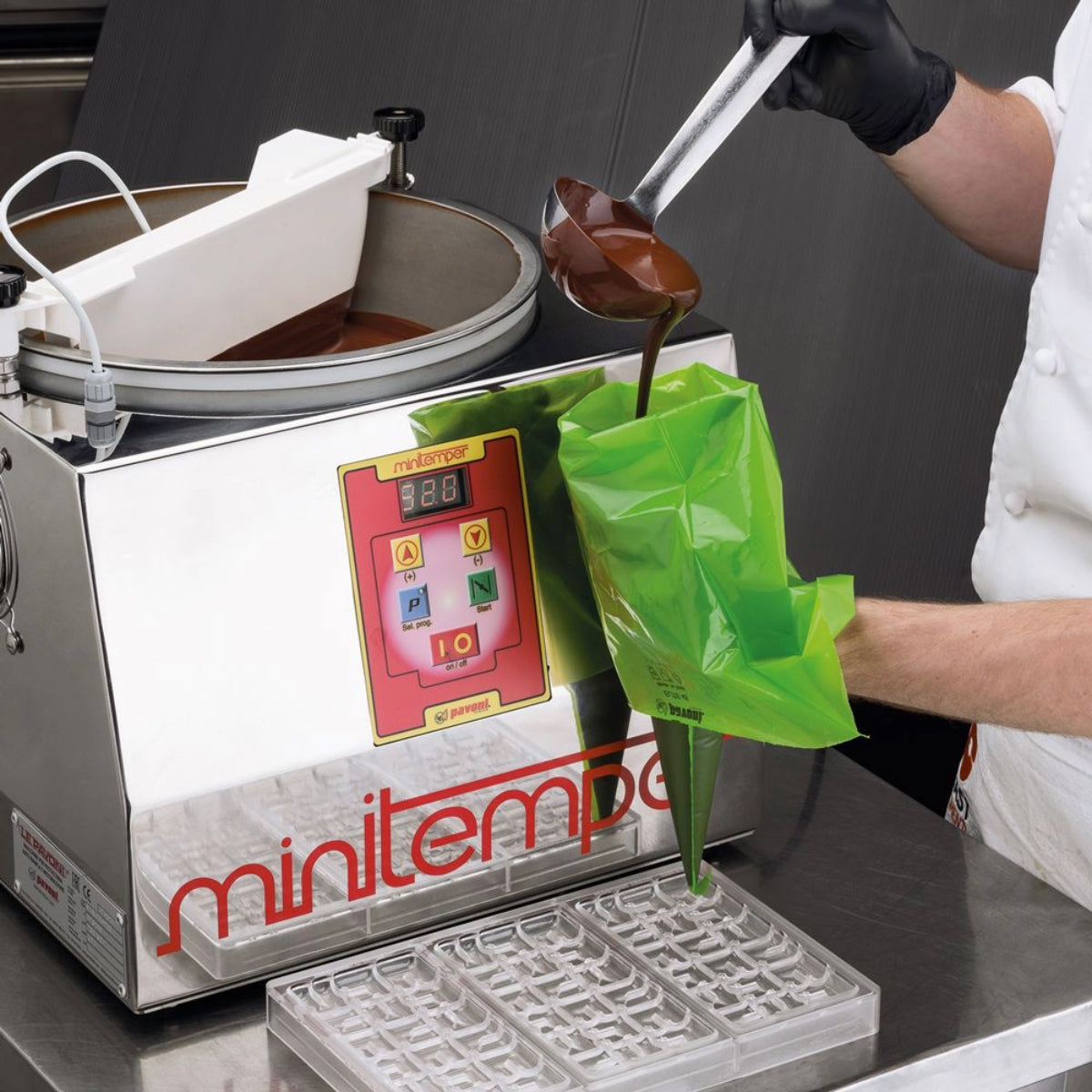
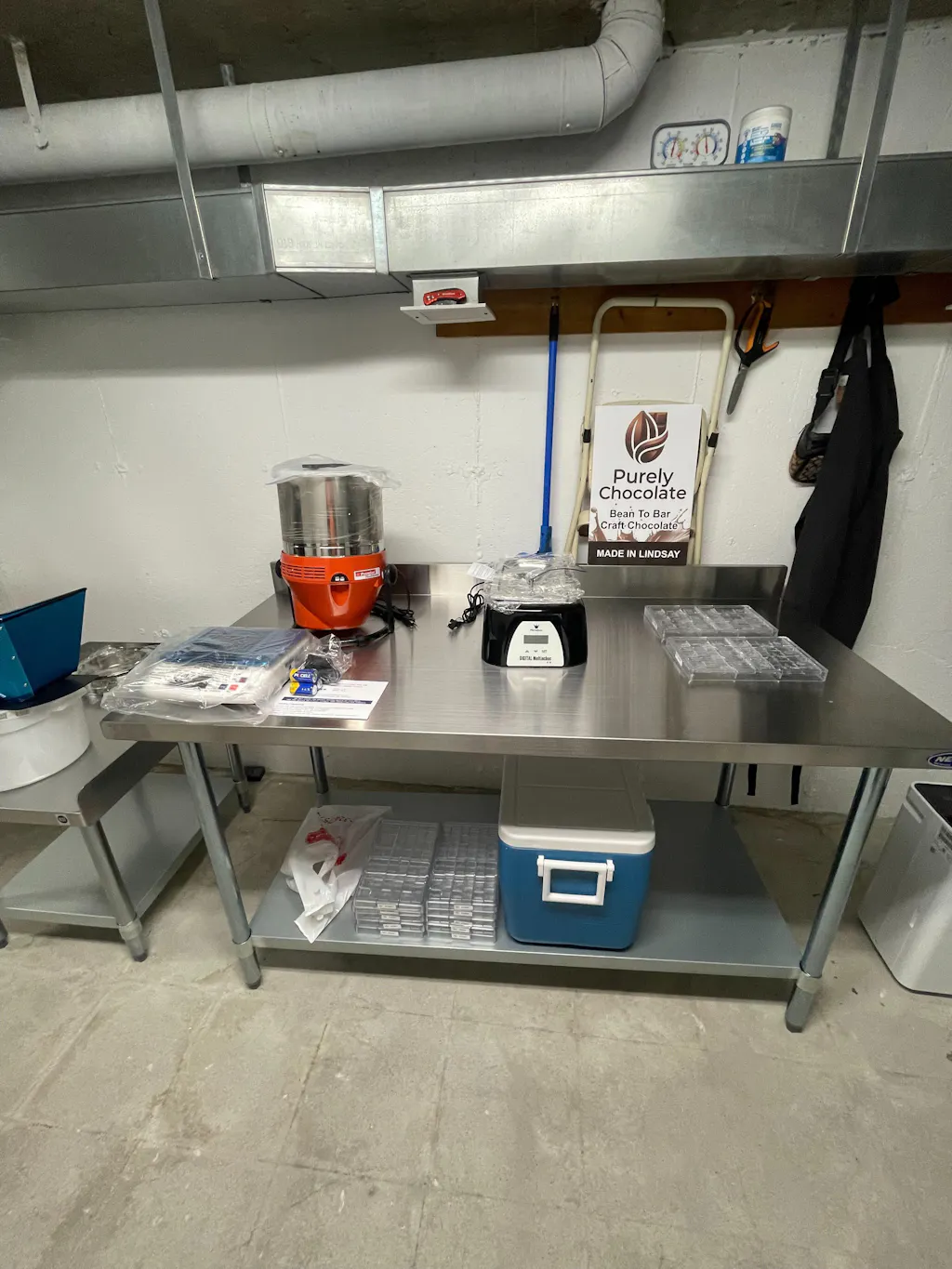
- Tempering windows are tighter. Fine cacao tends to be more sensitive to overheating. Keep your tempering machine precise and your couverture in a stable working range.
- Storage matters more. Aromatic complexity fades with time, oxidation, and temperature swings. Storage at 16-18°C and rotation of inventory protects the flavor you paid for. See our guide on chocolate shelf life and storage for the specifics.
The bottom line
Cocoa versus coffee is a quick search-engine question. The real question for anyone working seriously with chocolate is which cacao — and Venezuela's answer to that question is older, deeper, and more aromatically complex than almost anywhere else on earth.
If you're a chocolatier, pastry chef, or bean-to-bar maker working in Canada and want to bring Venezuelan fine cacao into your production, browse our raw cacao beans collection for beans by origin, or contact us to talk through which origin fits your application, volume, and flavor goals. We work with chocolatiers across Canada to match the origin to the project — not the other way around.







Leave a comment
All comments are moderated before being published.
This site is protected by hCaptcha and the hCaptcha Privacy Policy and Terms of Service apply.