

Qu'est-ce qui rend le chocolat belge spécial ? Histoire, règles et technique
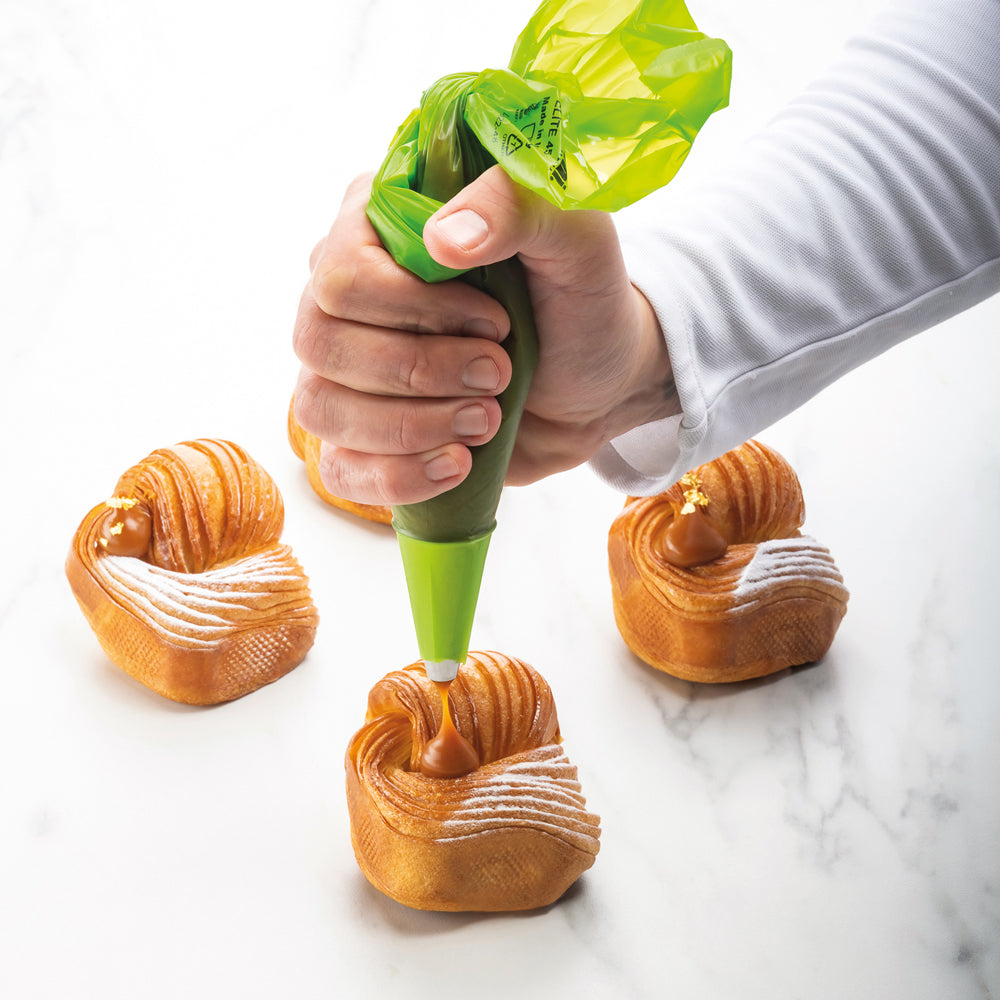
Réponse courte : le chocolat belge doit sa réputation à une tradition et à une définition, pas à une loi secrète. La Belgique a donné au monde la praline fourrée (Neuhaus, Bruxelles, 1912) et sa boîte, le ballotin (1915). Le code de l'industrie belge réserve le nom « chocolat belge » au chocolat mélangé, affiné, conché et moulé en Belgique, et des fabricants de moules belges comme Chocolate World produisent les moules en polycarbonate poli utilisés pour les coques de pralines. Les règles de composition, elles, sont les mêmes règles européennes que suivent tous les États membres.
Le chocolat belge en bref
| Question | Ce que disent les sources |
|---|---|
| L'origine de la réputation | Jean Neuhaus ouvre une pharmacie dans la Galerie de la Reine, à Bruxelles, en 1857 ; son petit-fils crée la praline belge en 1912 |
| La boîte | Le ballotin, créé en 1915 par Louise Agostini, épouse de Jean Neuhaus fils |
| Ce que signifie « chocolat belge » | Belgian Chocolate Code (volontaire, 2008) : mélangé, affiné, conché et moulé en Belgique |
| Une recette plus stricte qu'ailleurs ? | Non. La Belgique applique la directive européenne 2000/36/CE, qui interdit aux États membres d'ajouter leurs propres règles pour ces produits |
| Matières grasses végétales | Le droit européen autorise jusqu'à 5 % de matières grasses végétales autres que le beurre de cacao, avec une mention sur l'étiquette |
| Étiquetage au Canada | ACIA : « chocolat belge » laisse entendre que le chocolat a été produit en Belgique |
D'où vient la réputation belge
L'histoire belge est celle de la praline. Jean Neuhaus, pharmacien suisse, s'installe à Bruxelles en 1857 et ouvre une pharmacie dans la Galerie de la Reine, où il enrobe ses médicaments d'une fine couche de chocolat pour faire plaisir à ses clients. En 1912, son petit-fils, Jean Neuhaus fils, transforme l'idée en praline belge telle qu'on la connaît : une coque de chocolat garnie d'un fourrage. En 1915, Louise Agostini, son épouse, crée le ballotin, la boîte qui protège les chocolats et les met en valeur.
La praline reste le produit qui fait la renommée de la Belgique. Le droit européen la définit même : « un chocolat ou une praline » est un produit de la taille d'une bouchée, fait de chocolat fourré, ou de chocolat associé à d'autres ingrédients comestibles, dans lequel le chocolat représente au moins 25 % du poids.
Ce que signifie « chocolat belge » sur une étiquette
En Belgique, le terme est défini par l'industrie, pas par une loi spéciale. En 2008, Choprabisco, l'association belge de l'industrie du chocolat, de la praline, de la biscuiterie et de la confiserie, a publié le Belgian Chocolate Code. C'est un code de bonnes pratiques volontaire : les produits étiquetés « Belgian Chocolate » ou « Chocolate from Belgium » doivent avoir leur chocolat mélangé, affiné, conché et moulé en Belgique. Un produit fini ailleurs avec du chocolat belge peut indiquer « fait avec du chocolat belge », mais pas « chocolat belge ».
Au Canada, l'Agence canadienne d'inspection des aliments (ACIA) considère « chocolat belge » comme une allégation selon laquelle le chocolat a été produit en Belgique, en mélangeant de la liqueur de chocolat belge avec des agents édulcorants et les autres ingrédients permis par la norme du chocolat. L'ACIA décrit la liqueur de chocolat belge comme le résultat d'un procédé belge : un broyage intensif de fèves de cacao sélectionnées qui donne une masse de cacao tendre, à la texture fine et de couleur pâle.
Un chocolat fabriqué hors de Belgique à partir de liqueur de chocolat belge ne devrait pas être appelé « chocolat belge » au Canada, car l'ajout d'ingrédients ailleurs modifie l'origine du produit. Dans ce cas, l'ACIA accepte des mentions comme « chocolat de style belge », « chocolat fabriqué au (pays) selon le procédé belge » ou « contient de la liqueur de chocolat belge ».
Le chocolat belge suit-il des règles plus strictes ?
Non. La Belgique est membre de l'UE, et la directive européenne 2000/36/CE fixe la composition du chocolat pour tous les États membres ; son article 4 précise que les États membres n'adoptent pas de dispositions nationales pour ces produits au-delà de la directive. Le chocolat belge respecte donc les mêmes minimums que le chocolat fabriqué ailleurs dans l'UE. Le Canada a ses propres normes, très proches pour le chocolat noir, publiées dans les Normes canadiennes de composition des aliments (volume 4).
| Produit | UE (directive 2000/36/CE) | Canada (NCCA, volume 4) |
|---|---|---|
| Chocolat / chocolat noir | Au moins 35 % de matière sèche totale de cacao, dont 18 % de beurre de cacao et 14 % de cacao sec dégraissé | Au moins 35 % de solides de cacao totaux, dont 18 % de beurre de cacao et 14 % de solides de cacao dégraissés |
| Chocolat de couverture | Au moins 35 % de matière sèche totale de cacao, dont 31 % de beurre de cacao et 2,5 % de cacao sec dégraissé | Pas de norme distincte |
| Chocolat au lait | Au moins 25 % de matière sèche totale de cacao, 14 % de matière sèche lactique, 3,5 % de matière grasse lactique, 25 % de matière grasse totale | Au moins 25 % de solides de cacao totaux (15 % de beurre de cacao), 12 % de solides du lait, 3,39 % de matière grasse du lait |
| Chocolat blanc | Au moins 20 % de beurre de cacao, 14 % de matière sèche lactique, 3,5 % de matière grasse lactique | Au moins 20 % de beurre de cacao, 14 % de solides du lait, 3,5 % de matière grasse du lait |
| Matières grasses végétales autres que le beurre de cacao | Jusqu'à 5 % du produit fini, avec la mention « contient des matières grasses végétales en plus du beurre de cacao » | Un produit additionné de matières grasses végétales ne respecte pas la norme et ne peut pas porter le nom « chocolat » sans modification |
L'idée selon laquelle « le chocolat belge ne contient que du beurre de cacao » n'est donc pas une règle légale. Si un chocolat dont la seule matière grasse est le beurre de cacao compte pour vous, lisez la liste des ingrédients et cherchez la mention sur les matières grasses végétales sur les produits européens.
Pourquoi la coque de la praline compte
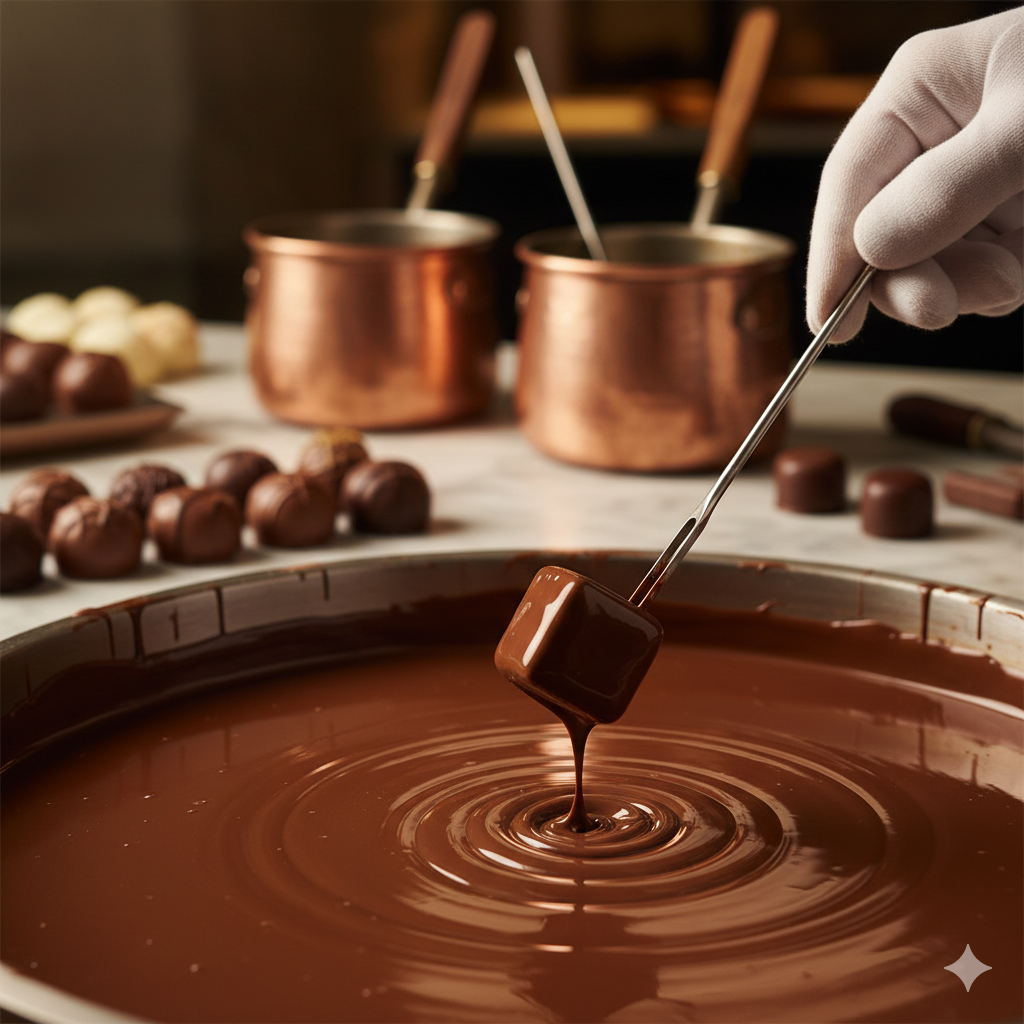
Une praline belge se joue sur sa coque : fine, brillante, qui se casse net. Cela vient du tempérage. Dans leur revue sur le blanchiment gras, Lonchampt et Hartel décrivent un chocolat bien tempéré comme un chocolat qui cristallise rapidement avec une contraction maximale, ce qui facilite le démoulage, et qui offre une forte brillance avec une bonne résistance au blanchiment gras et à la migration des graisses dans les chocolats fourrés.
Les étapes sont les mêmes partout : tempérer la couverture, remplir le moule, le vider pour laisser une coque, laisser figer, pocher le fourrage, fermer avec un fond de chocolat et démouler. Pour voir chaque étape en détail, suivez notre guide pas à pas des bonbons de chocolat brillants et notre guide du moulage du chocolat.
Les moules belges : Chocolate World
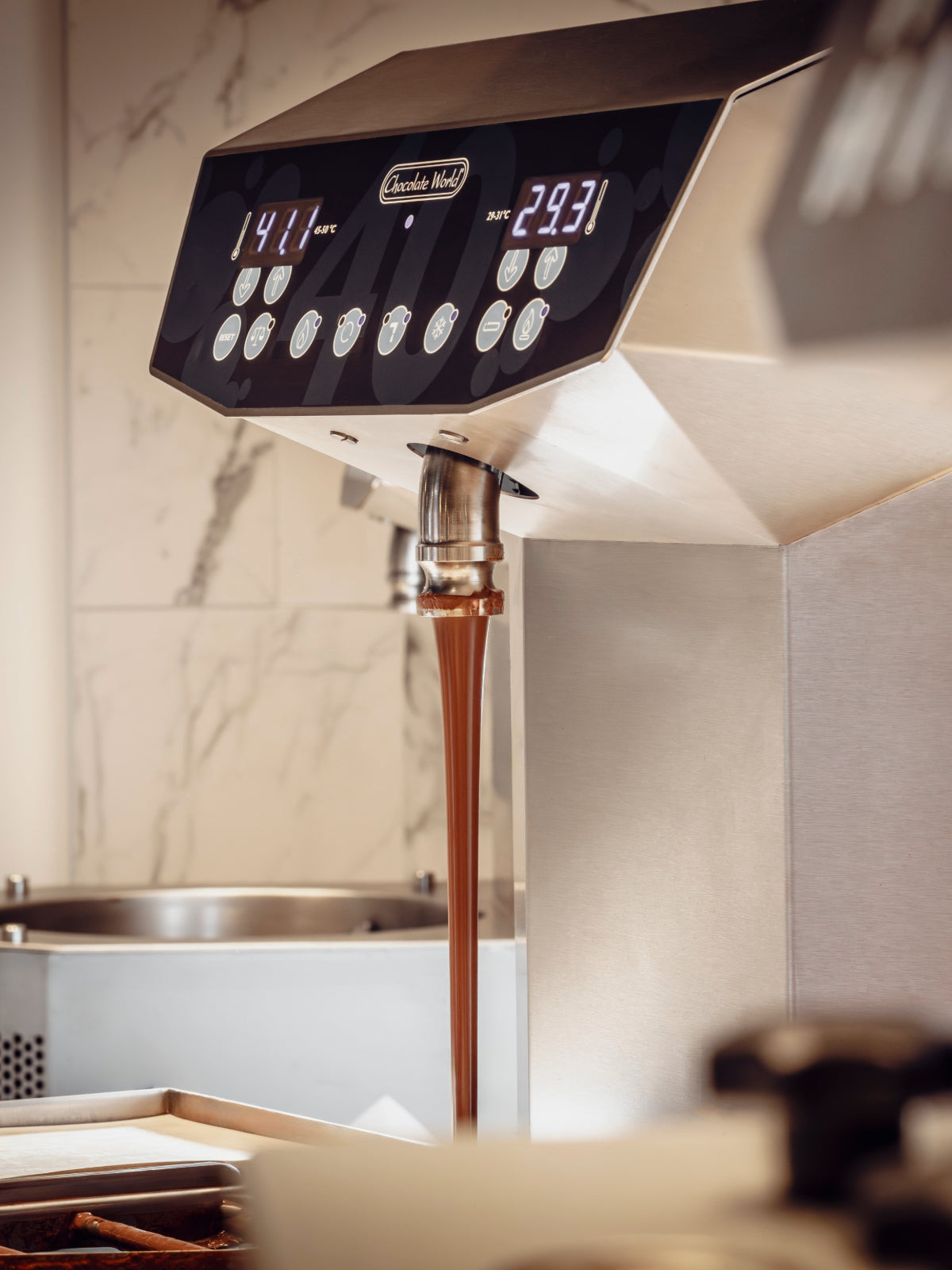
Le moule fait aussi partie de la tradition belge. Chocolate World, établie à Hoboken (Anvers), fabrique ses moules en polycarbonate en Belgique. Son catalogue de moules (édition 15) annonce du polycarbonate 100 % vierge, un outillage poli, un fraisage CNC de haute précision, plus de 1 500 formes standard et plus de 30 ans d'expérience de fabrication. L'entreprise dirige aussi la Belgian Chocolate School, qui donne des cours de chocolaterie.
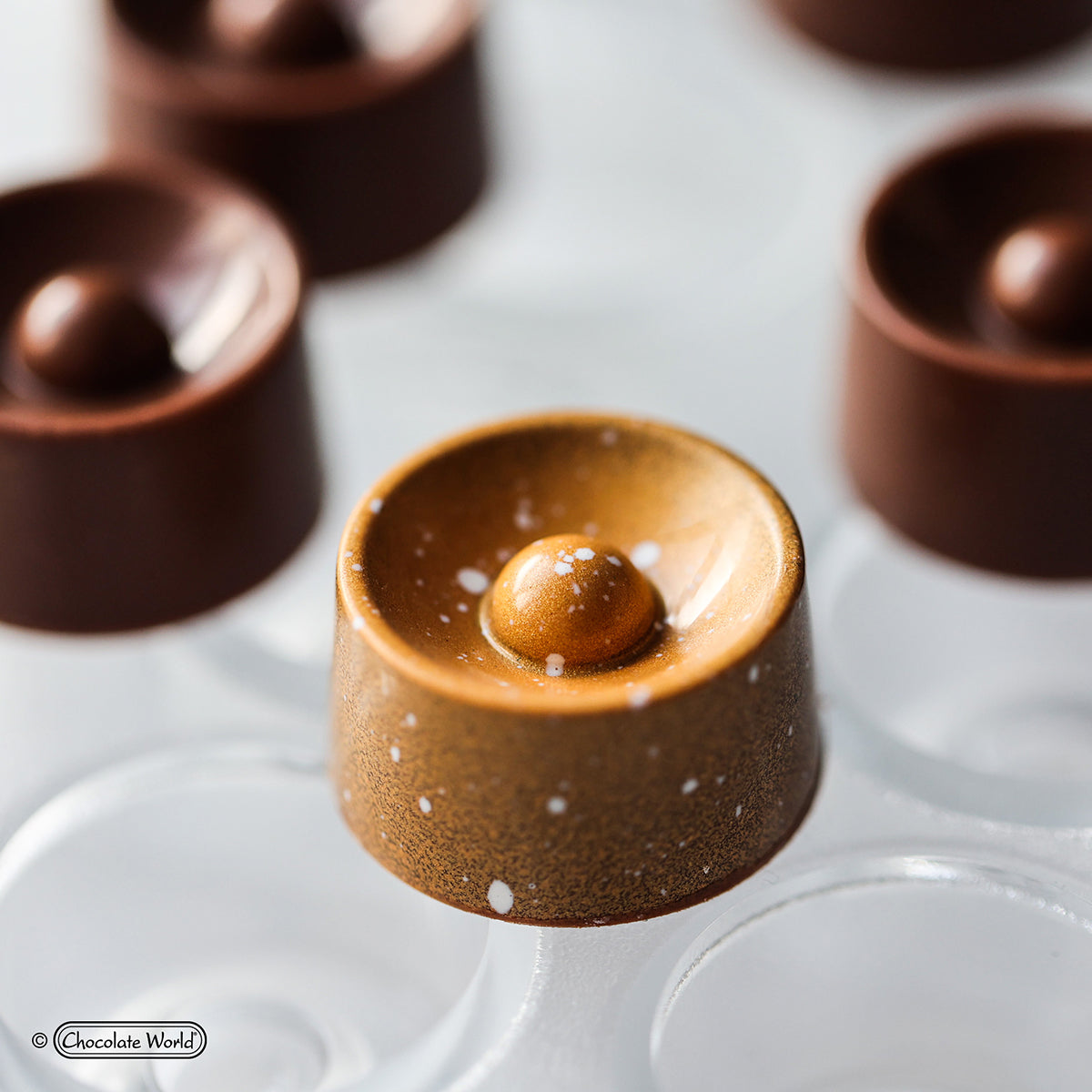
Trois moules à pralines Chocolate World en stock pour un travail de style belge :
- Voir le moule Ballotin CW1025 → from $39.95 CAD
- Voir le moule Diamond CW1024 → from $39.95 CAD
- Voir le moule Praline Drop CW1904 de Frank Haasnoot → from $39.95 CAD
Voir tous les moules à bonbons et pralines →
Faire des pralines de style belge au Canada
La méthode belge s'applique partout ; ce qu'on ne peut pas emprunter, c'est l'origine. Voici un équipement pratique avec des produits que nous avons en stock :
| Besoin | Produit | Prix |
|---|---|---|
| Couverture pour coques et ganaches | Bassan Sur del Lago 71 %, 5 kg | $273.00 CAD |
| Moule à pralines | Chocolate World Diamond CW1024 | from $39.95 CAD |
| Fèves de cacao pour le bean-to-bar | Fèves Sur del Lago, Venezuela, 1,5 kg | from $80.00 CAD |
| Livre de référence | Chocolate, 6e édition, de Ramon Morató | $160.00 CAD |
La couverture Bassan Sur del Lago 71 % est fabriquée au Canada à partir de cacao Trinitario vénézuélien de lignée Criollo ancestrale. Sa liste d'ingrédients est courte : fèves de cacao torréfiées, beurre de cacao, sucre de canne et lécithine de tournesol biologique. La méthode de travail de Bassan : faire fondre à 50 °C (122 °F) au maximum, tempérer à 30–32 °C (86–90 °F), couler en moules, laisser cristalliser à 16–18 °C (61–64 °F), puis démouler et conserver à 16–20 °C (61–68 °F).
Une remarque sur l'étiquetage : les exemples de mentions « belges » acceptées par l'ACIA concernent tous un chocolat fait avec de la liqueur de chocolat belge. Si vos pralines ne contiennent pas de chocolat belge, décrivez votre technique sans allégation d'origine belge, et vérifiez auprès de l'ACIA avant d'inscrire le mot « belge » sur un emballage.
Comment l'IA peut aider votre production
Collez votre recette de praline dans un assistant d'IA et demandez-lui de l'adapter au nombre d'empreintes de votre moule, de calculer le coût de chaque pièce à partir de vos prix d'ingrédients et de rédiger une procédure d'une page pour votre équipe avec les températures de tempérage ci-dessus. Demandez-lui aussi de transformer le tableau de composition de cet article en liste de contrôle d'étiquetage pour chaque produit que vous vendez. Une routine écrite garde chaque fournée de coques identique.
L'IA organise l'information ; la dégustation et la décision finale restent entre les mains de votre chef.
Moules belges et cacao vénézuélien chez Zucchero Canada
Nous sommes distributeur autorisé des moules Chocolate World, fabriqués en Belgique. Pour le chocolat lui-même, nous proposons du cacao vénézuélien : la couverture Bassan fabriquée au Canada, des fèves de cacao du Venezuela pour les fabricants bean-to-bar, et les produits de cacao KKO Real, dont nous sommes le distributeur exclusif au Canada.
Chaque outil a son rôle : les moules Chocolate World donnent à la coque sa forme et sa brillance, la couverture Bassan lui donne son goût, et les fèves Sur del Lago s'adressent aux fabricants qui veulent maîtriser le chocolat dès la fève. Pour les recettes, Chocolate de Ramon Morató couvre le tempérage, l'enrobage et les fourrages de bonbons équilibrés, avec 24 bonbons parmi ses 200 recettes.
Vous produisez pour une boutique, un hôtel ou la vente en gros ? Contactez-nous pour les commandes en volume, ou appelez le 587-774-8873 (sans frais 877-741-8251).
Moules Chocolate World | Moules à bonbons et pralines | Bassan Chocolate | Guide des bonbons brillants | Ce que signifie le % de cacao
Cet article est fourni à titre informatif seulement. Chaque entreprise est différente : tirez vos propres conclusions selon vos attentes, votre budget et vos objectifs, et consultez des experts qualifiés avant de décider ou d'investir.
Sources : Neuhaus, « History » (neuhauschocolates.com) et Caobisco, « Neuhaus, inventor of the praline and the ballotin » ; L. Crowley, « New code to protect image of Belgian chocolate », ConfectioneryNews, 14 août 2008, et O. Nieburg, « Special EU protection proposed for Belgian chocolate », FoodNavigator, 2 avril 2013 ; directive 2000/36/CE du 23 juin 2000 (Journal officiel L 197, 3 août 2000), articles 2 et 4 et annexe I ; Normes canadiennes de composition des aliments, volume 4 ; ACIA, « Exigences en matière d'étiquetage des confiseries, du chocolat et des grignotines » ; P. Lonchampt et R. W. Hartel, « Fat bloom in chocolate and compound coatings », Eur. J. Lipid Sci. Technol. 106 (2004) ; Chocolate World, catalogue de moules édition 15 et catalogue d'équipement 2023 ; données produit de Bassan Chocolate.
Good to know
Frequently asked questions
Qu'est-ce qui rend le chocolat belge spécial ?
Sa tradition et sa définition. La praline fourrée a été créée à Bruxelles en 1912 par Jean Neuhaus fils, et le ballotin en 1915 par Louise Agostini. Le Belgian Chocolate Code (2008), code volontaire de l'industrie belge, réserve le nom « chocolat belge » au chocolat mélangé, affiné, conché et moulé en Belgique. Les minimums de composition sont les règles européennes qui s'appliquent dans tous les États membres.
Le chocolat belge est-il fait uniquement au beurre de cacao ?
Pas en vertu de la loi. La directive européenne 2000/36/CE, que la Belgique applique, autorise jusqu'à 5 % de matières grasses végétales autres que le beurre de cacao dans le chocolat, à condition que l'étiquette indique « contient des matières grasses végétales en plus du beurre de cacao ». Lisez la liste des ingrédients pour savoir ce que contient un chocolat donné. Au Canada, un produit additionné de matières grasses végétales ne peut pas porter le nom normalisé « chocolat » sans modification.
Qui a inventé la praline belge ?
Jean Neuhaus fils, à Bruxelles, en 1912. Son grand-père, le pharmacien Jean Neuhaus, avait ouvert sa boutique dans la Galerie de la Reine en 1857 et enrobait ses médicaments de chocolat. En 1915, Louise Agostini, épouse de Jean Neuhaus fils, a créé le ballotin.
Un chocolat fabriqué au Canada peut-il s'appeler chocolat belge ?
Non. L'ACIA considère « chocolat belge » comme une allégation selon laquelle le chocolat a été produit en Belgique. Un chocolat fabriqué au Canada à partir de liqueur de chocolat belge peut utiliser des mentions comme « chocolat de style belge », « chocolat fabriqué au Canada selon le procédé belge » ou « contient de la liqueur de chocolat belge ».
Les moules Chocolate World sont-ils fabriqués en Belgique ?
Oui. Chocolate World fabrique ses moules en polycarbonate en Belgique, à Hoboken (Anvers), en polycarbonate 100 % vierge, selon son catalogue de moules (édition 15).
Les moules et la couverture donnent-ils droit à la livraison gratuite ?
Les moules comptent pour la livraison gratuite sur les commandes de 300 $ CA ou plus au Canada ; les régions éloignées et les territoires paient le tarif réel du transporteur. Le chocolat et le cacao sont exclus de la livraison gratuite et sont vendus au Canada seulement. Les commandes de plus de 500 $ CA obtiennent 5 % de rabais automatiquement à la caisse.
Shop this article
Products mentioned in this guide
 Chocolate WorldMoule à Praliné "Ballotin" CW1025From $39.95 CADView product →
 Chocolate WorldMoule à Praliné en Chocolat "Diamond" CW1024From $39.95 CADView product →
 Chocolate WorldMOULE À CHOCOLAT PRALINE GOUTTE - FRANK HAASNOOT CW1904From $39.95 CADView product →
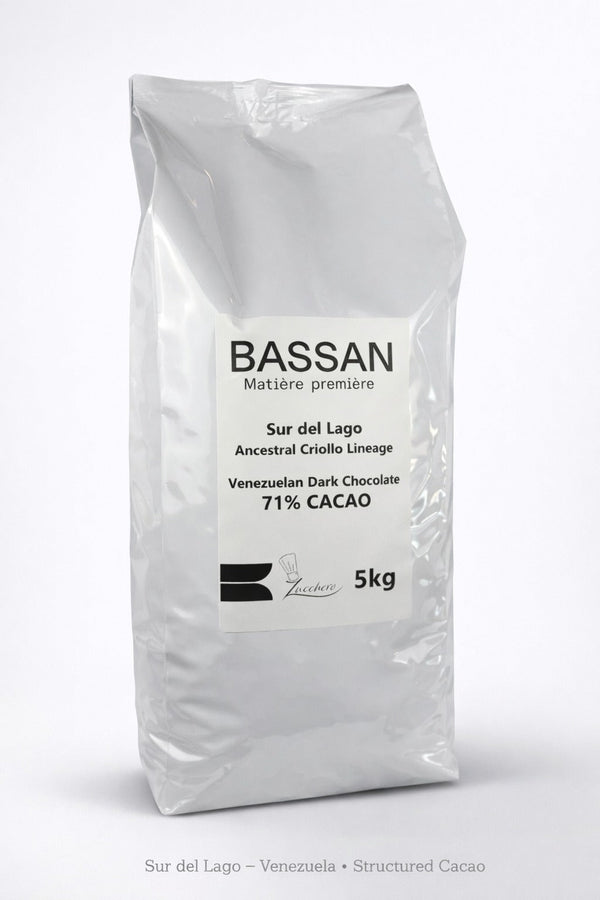 Bassan ChocolateChocolat noir Sur del Lago Ancestral Criollo Lineage 71%From $69.95 CADView product →
For professionals
Equipping a chocolate shop, bakery or kitchen?
Tell us what you produce and how much. We will recommend the right machine, moulds and ingredients, and send you a quote.
For home bakers
Professional tools for your own kitchen
The same European moulds, tools and ingredients the professionals use.
5% off orders over $500 CAD, applied automatically at checkout.
Keep reading

Laisser un commentaire
Tous les commentaires sont modérés avant d'être publiés.
Ce site est protégé par hCaptcha, et la Politique de confidentialité et les Conditions de service de hCaptcha s’appliquent.