
Chocolate Curls vs Shavings: The Difference and How to Make Each
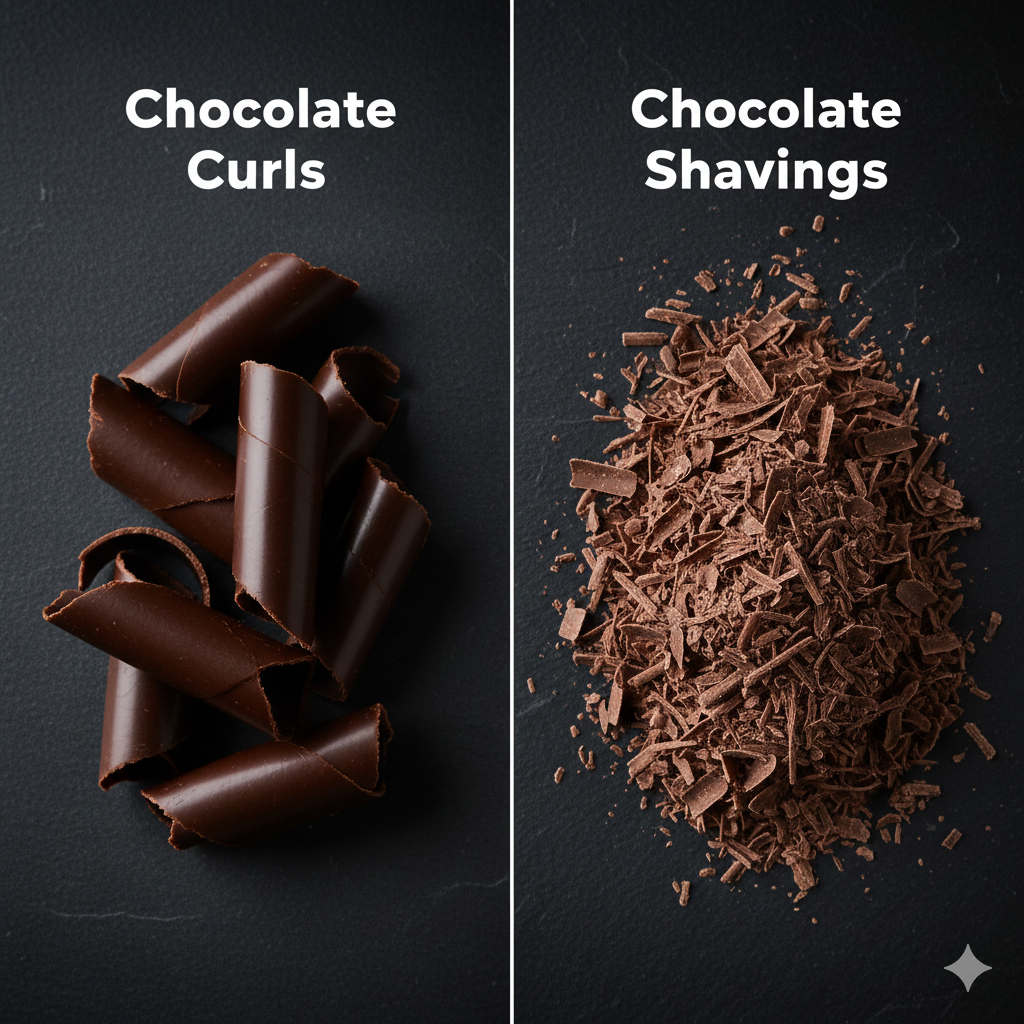
Short answer: chocolate curls are rolled from a thin layer of tempered chocolate: spread it about 2 mm (1/16 in) thick on marble, let it set, then push a knife or metal scraper away from you at a 45° angle so the chocolate rolls up. Chocolate shavings are scraped or peeled straight off a solid bar at room temperature, with a vegetable peeler or a metal scraper. The chocolate's temperature decides the shape: as pastry author Flo Braker puts it, a cool surface gives large shavings, while a slightly warm one curls into long, thin cigarettes.
| Your need | What we recommend | Price |
|---|---|---|
| Push curls and scrape shavings | Martellato professional chocolate scraper, stainless blade 145 mm | $36.95 |
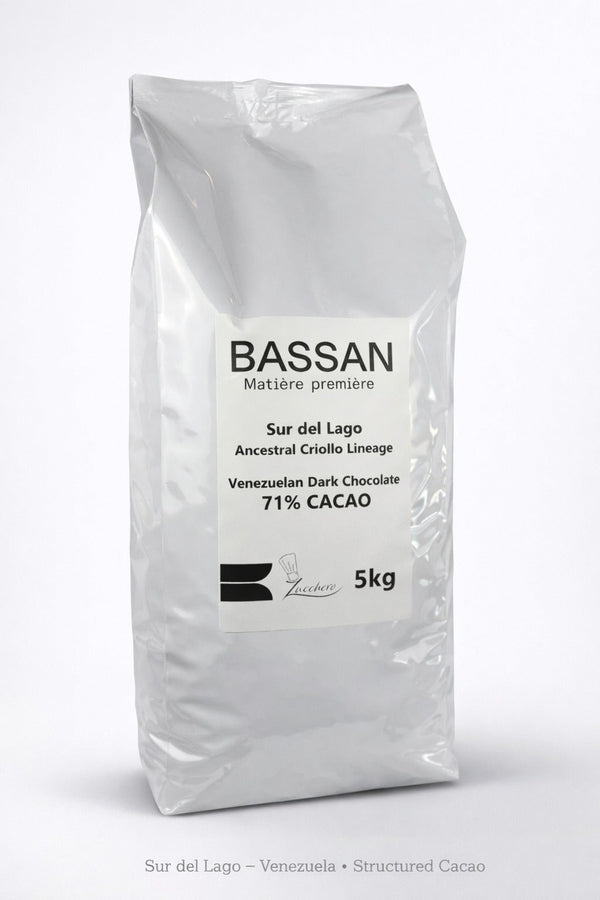
| Dark couverture for curls and bars to shave | Bassan Sur del Lago 71% dark couverture, 5 kg | $273.00 |
| Check the tempering temperature | Martellato digital thermometer for chocolate 50T001 | $29.95 |
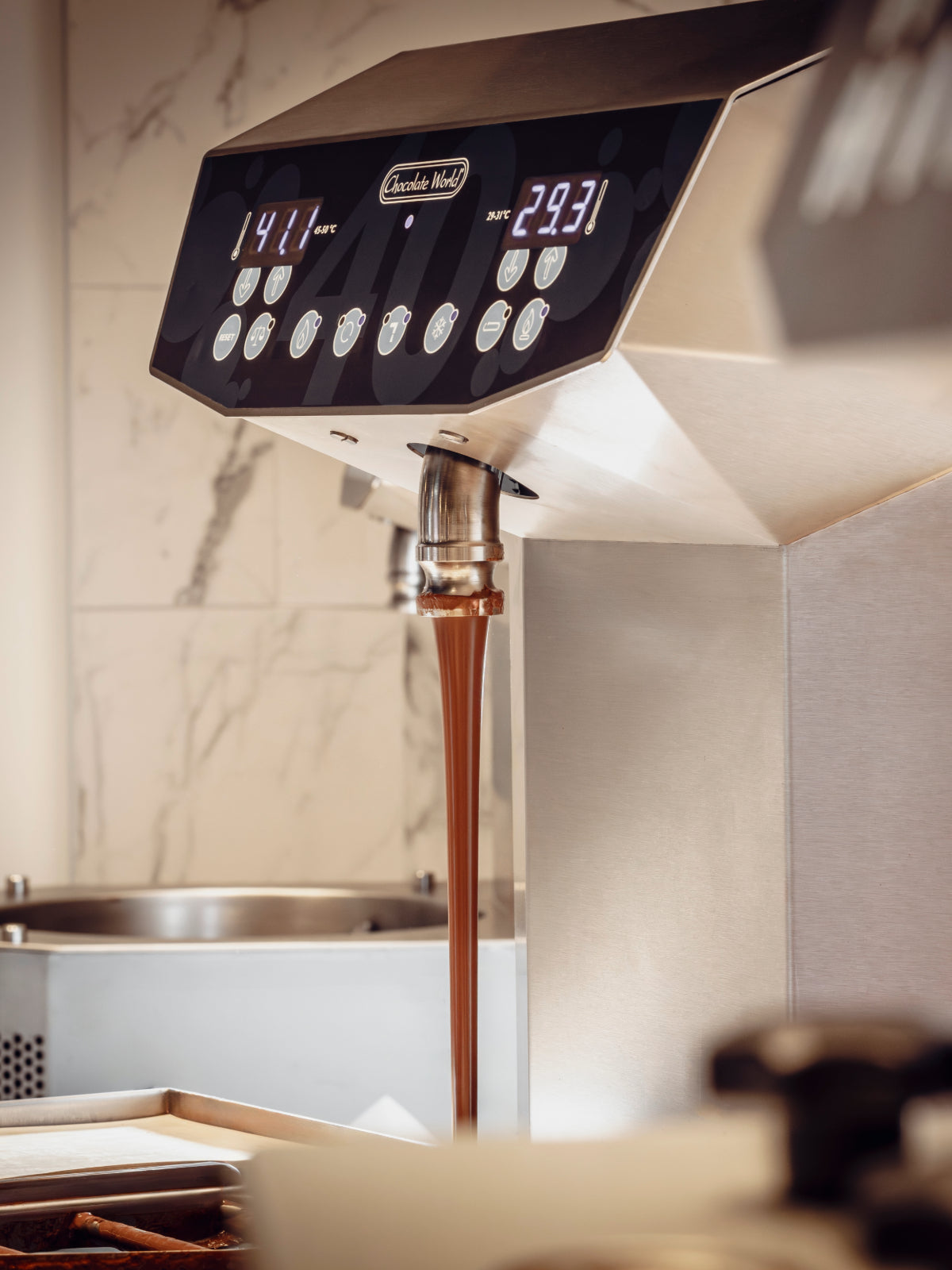
| Keep tempered chocolate ready for a day of decorations | Martellato Meltinchoc Digital melter 3.6 L | $1,150.00 |
Chocolate curls vs shavings: the difference
Curls start from a thin layer of chocolate that you spread and let set; shavings start from a solid bar. Everything else follows from that.
| Chocolate curls (cigarettes, copeaux) | Chocolate shavings | |
|---|---|---|
| Starting point | Tempered chocolate spread about 2 mm (1/16 in) thick on marble, granite or smooth hardwood | A solid bar or block |
| Tool | Long knife, palette knife or metal scraper, pushed away from you at 45° | Vegetable peeler, or a metal pastry scraper pulled toward you |
| State of the chocolate | Set but not hard; Bo Friberg gives a room at about 20°C (68°F) as ideal | Room temperature; a cool surface gives large shavings, a slightly warm one long thin cigarettes |
| Shape you get | Rolled cylinders, as long as the strip is wide | Flakes and shavings of varying size |
Want more decoration ideas for a whole cake? See our guide on how to make chocolate garnish for cake.
How to make chocolate curls
To make chocolate curls, spread a thin strip of tempered chocolate, let it set, and push a blade through it at 45° so each slice rolls up. This is the method Bo Friberg teaches in The Professional Pastry Chef:
- Pour a strip of tempered chocolate onto marble or a perfectly smooth hardwood surface and spread it about 2 mm (1/16 in) thick, or as thin as you can while still covering the surface. Make the strip a little wider than the length you want for the curls.
- As soon as the chocolate has set, trim both long edges with a knife so the strip is exactly as wide as the finished curls.
- Hold a long knife or palette knife at a 45° angle to the surface and push it away from you, cutting off about 2.5 cm (1 in) of the strip at a time so it curls.
William Curley (Couture Chocolate) makes the same copeaux with a metal scraper: he spreads a thin layer of tempered chocolate on marble or granite with a stepped palette knife, lets it almost set, pushes the scraper at an angle to form thin cigar shapes, then leaves them a few minutes on the surface before lifting them off with the scraper.
Friberg's notes on temperature:
- A room at about 20°C (68°F) is ideal; the further the room is from that, in either direction, the harder the chocolate is to work.
- Too soft: the chocolate smears and sticks to the knife instead of curling. Wait a few seconds for it to set further; if the room or the surface is too warm, place a chilled sheet pan on top for a moment.
- Too hard: the chocolate breaks when you try to curl it. Soften it with a hair dryer, being careful with tempered chocolate, or, if it is spread thin, rub your hand over the top as you work down the strip.
A straight, rigid blade makes the work easier; Friberg prefers a long slicing knife to a chef's knife because its width is uniform. Our Martellato chocolate scraper has a short, rigid stainless-steel blade (145 × 80 mm) and a handle that encloses it completely.
View the Martellato professional chocolate scraper → $36.95 CAD
How to shave chocolate for garnish
To shave chocolate, work on a solid bar at room temperature and draw a peeler or a metal scraper down its side; the bar's surface temperature decides whether you get flakes or thin rolls.
With a vegetable peeler
Ricardo Cuisine's method: hold the bar in one hand, press the peeler deep into the chocolate with the other, and slide it down the side of the bar. Keep the bar at room temperature.
With a metal scraper
Flo Braker (The Simple Art of Perfect Baking) sets the bar in front of her, perpendicular to the edge of the counter, with one end braced against her body. Grip a metal pastry scraper firmly in both hands, tilt the blade toward you almost parallel to the bar, and scrape down the bar, pulling toward yourself.
- Cool surface: large shavings.
- Slightly warm surface: the chocolate curls into long, thin cigarettes.
Make your own bar to shave
To shave, you need a block. Bassan's 71% couverture, for example, comes as pistoles (15 mm and 28 mm) and baker's sticks, not as a thick bar. Temper it and mould a bar in a tablet mould, and you have a block made from the chocolate you actually serve.
View chocolate bar and tablet moulds →
Curls and shavings: quick fixes
| Problem | Cause | Fix |
|---|---|---|
| Chocolate smears and sticks to the blade | Too soft | Wait a few seconds; cool the surface with a chilled sheet pan (Friberg) |
| Chocolate breaks instead of curling | Too hard | Warm briefly with a hair dryer, carefully if tempered, or with your hand on a thin layer (Friberg) |
| You get flakes but wanted rolls | Bar surface too cool | Let the surface warm slightly; it then curls into thin cigarettes (Braker) |
| You get rolls but wanted shavings | Bar surface slightly warm | Work on a cooler surface for large shavings (Braker) |
Which chocolate to use
For curls, use real chocolate that you temper, or a coating chocolate. Curley insists that the chocolate must be tempered for all decorations; Friberg also accepts melted coating chocolate for curls. The difference matters: couverture is high-quality chocolate with extra cocoa butter, and its sheen and firm snap come from that cocoa butter combined with proper tempering, while compound coating replaces the cocoa butter with another hard fat and needs no tempering (BCcampus).
- Bassan Sur del Lago 71%: dark couverture made in Canada from Venezuelan Trinitario cacao with ancestral Criollo lineage. Bassan's data: melt at 50°C (122°F) maximum, temper to 30–32°C (86–90°F), let it crystallise at 16–18°C (61–64°F).
- FCH 55% Venezuela: dark chocolate from fermented Venezuelan Trinitario cacao, 10 kg box. Its curve: melt 45–50°C (113–122°F), crystallisation 28–29°C (82–84°F), tempering 31–32°C (88–90°F).
- View Bassan Sur del Lago 71%, 5 kg → $273.00 CAD
- View FCH 55% Venezuela, 10 kg → $299.00 CAD
New to tempering? Start with how to temper chocolate.
How to store chocolate curls and shavings
Store them like any pure chocolate product: cool, dry and sealed. BCcampus gives 18–20°C (64–68°F) at 60% relative humidity as the ideal for chocolate, protected from odours and humidity, in sealed containers; the refrigerator is not the ideal place. Bassan recommends 16–20°C (61–68°F) below 50% relative humidity for its couverture and warns that temperature swings cause bloom.
White or grey marks on stored decorations? Learn to tell chocolate bloom from mould.
Other chocolate decorations from the same tempered chocolate
If you need many identical pieces, combs give you shapes in one movement. Martellato's stainless-steel decorating combs, designed by pastry chef Frank Haasnoot, make 8 decorations at a time: leaves 60 mm high with the Leaf Comb, feathers 80 mm high with the large Feather Comb.
- View the Martellato Leaf Comb → $105.50 CAD
- View the Martellato Feather Comb, large → $113.99 CAD
View all decorating combs and scrapers →
How AI can help your production
Ask an AI assistant to turn your decoration plan into a prep list: how many curls or how much shaved chocolate each cake or plated dessert needs, how much couverture to temper for the day, and in which order to make the pieces. Give it your room and chocolate temperatures each morning and ask it to keep a simple log next to the results, so you can see which conditions give your best curls. Use it to write a one-page procedure for new staff from the steps above.
AI organises the information; tasting and the final decision stay with your chef.
Chocolate decoration tools and couverture at Zucchero Canada
We are an authorized distributor of Martellato and carry Bassan couverture, which ships across Canada from Calgary. Each product has its own job in decoration work:
- Curls and shavings: the Martellato professional chocolate scraper, with a rigid 145 mm stainless-steel blade.
- Tempering and holding: the Martellato digital thermometer, and the Meltinchoc Digital melter, which holds dark chocolate at 31°C (88°F) after seeding with its preset program.
- Repeat shapes: Martellato decorating combs by Frank Haasnoot.
- The chocolate itself: Bassan Sur del Lago 71% and FCH 55%, both from Venezuelan cacao.
View the Meltinchoc Digital 3.6 L → $1,150.00 CAD
Supplying a pastry shop, hotel or caterer? Contact our team for volume pricing on couverture and tools, or call 587-774-8873 (toll free 877-741-8251).
Chocolate scrapers & combs | Chocolate decorations | Dark couverture | Chocolate garnish for cake | Best chocolate for melting
This article is for information only. Every business is different: draw your own conclusions based on your own expectations, budget and goals, and talk to qualified experts before you decide or invest.
Sources: B. Friberg, The Professional Pastry Chef, "Chocolate Curls (Cigarettes)" and "Chocolate Curls Using Tempered or Coating Chocolate"; W. Curley, Couture Chocolate (2011), chocolate shavings (copeaux); F. Braker, The Simple Art of Perfect Baking (1984), "Large Chocolate Shavings or Long Cigarettes"; Ricardo Cuisine, "4 ways the vegetable peeler can bring elegance to a recipe"; BC Cook Articulation Committee, Understanding Ingredients for the Canadian Baker (BCcampus), §7.3, §7.4 and §7.8; Martellato Digital Meltinchoc handbook; Bassan Chocolate and FCH product data; Martellato product data.
Good to know
Frequently asked questions
What is the difference between chocolate curls and chocolate shavings?
Curls are rolled from a thin layer of tempered chocolate spread about 2 mm (1/16 in) thick and pushed with a blade at 45°, so they come out as cylinders. Shavings are scraped or peeled from a solid bar at room temperature, so they come out as flakes. The temperature of the chocolate's surface decides the shape: cool gives large shavings, slightly warm gives long thin cigarettes (Flo Braker).
How do you make chocolate curls?
Spread a strip of tempered chocolate about 2 mm (1/16 in) thick on marble, let it set, trim the edges, then push a long knife, palette knife or metal scraper away from you at a 45° angle so each slice rolls up (Bo Friberg). A room at about 20°C (68°F) is ideal.
How do you shave chocolate for garnish?
Use a solid bar at room temperature. Press a vegetable peeler deep into the chocolate and slide it down the side of the bar, or scrape down the bar with a metal pastry scraper held in both hands, its blade tilted toward you almost parallel to the bar.
Why does my chocolate break instead of curling?
It is too hard. Bo Friberg softens it with a hair dryer, carefully if the chocolate is tempered, or rubs a hand over a thin layer as he works. If the chocolate smears and sticks to the knife instead, it is too soft: wait a few seconds or cool the surface with a chilled sheet pan.
Do I need tempered chocolate for chocolate curls?
William Curley tempers the chocolate for all decorations; Bo Friberg also accepts melted coating chocolate for curls. Couverture gets its shine and snap from cocoa butter plus proper tempering, while compound coating uses another fat and needs no tempering.
Does chocolate qualify for free shipping?
No. Chocolate is excluded from free shipping, and food products, including chocolate, ship within Canada only. Free shipping on orders of $300 CAD or more applies to selected products within Canada; remote areas and the territories pay the actual carrier rate. Orders over $500 CAD get 5% off automatically at checkout.
Shop this article
Products mentioned in this guide
 MartellatoProfessional Chocolate Scraper 145 mm - Zucchero – 50RAS5ZUC$36.95 CADView product →
 Bassan ChocolateSur del Lago Ancestral Criollo Lineage Dark Chocolate 71%From $69.95 CADView product →
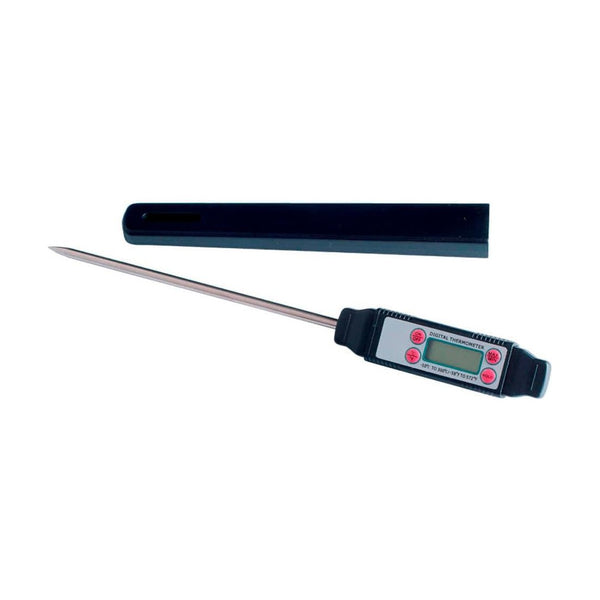 MartellatoDigital Thermometer for Chocolate 50T001$29.95 CADView product →
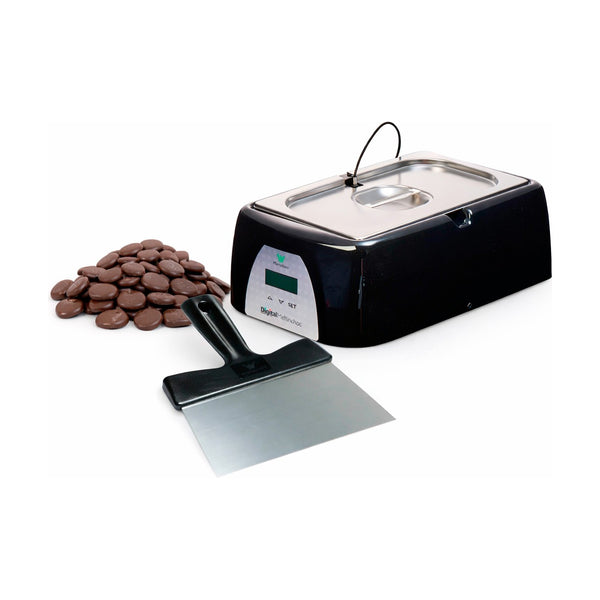 MartellatoMeltinchoc Digital Melter 3.6 L – MCD101110V$1,150.00 CADView product →
For professionals
Equipping a chocolate shop, bakery or kitchen?
Tell us what you produce and how much. We will recommend the right machine, moulds and ingredients, and send you a quote.
For home bakers
Professional tools for your own kitchen
The same European moulds, tools and ingredients the professionals use.
5% off orders over $500 CAD, applied automatically at checkout.
Keep reading


Leave a comment
All comments are moderated before being published.
This site is protected by hCaptcha and the hCaptcha Privacy Policy and Terms of Service apply.