







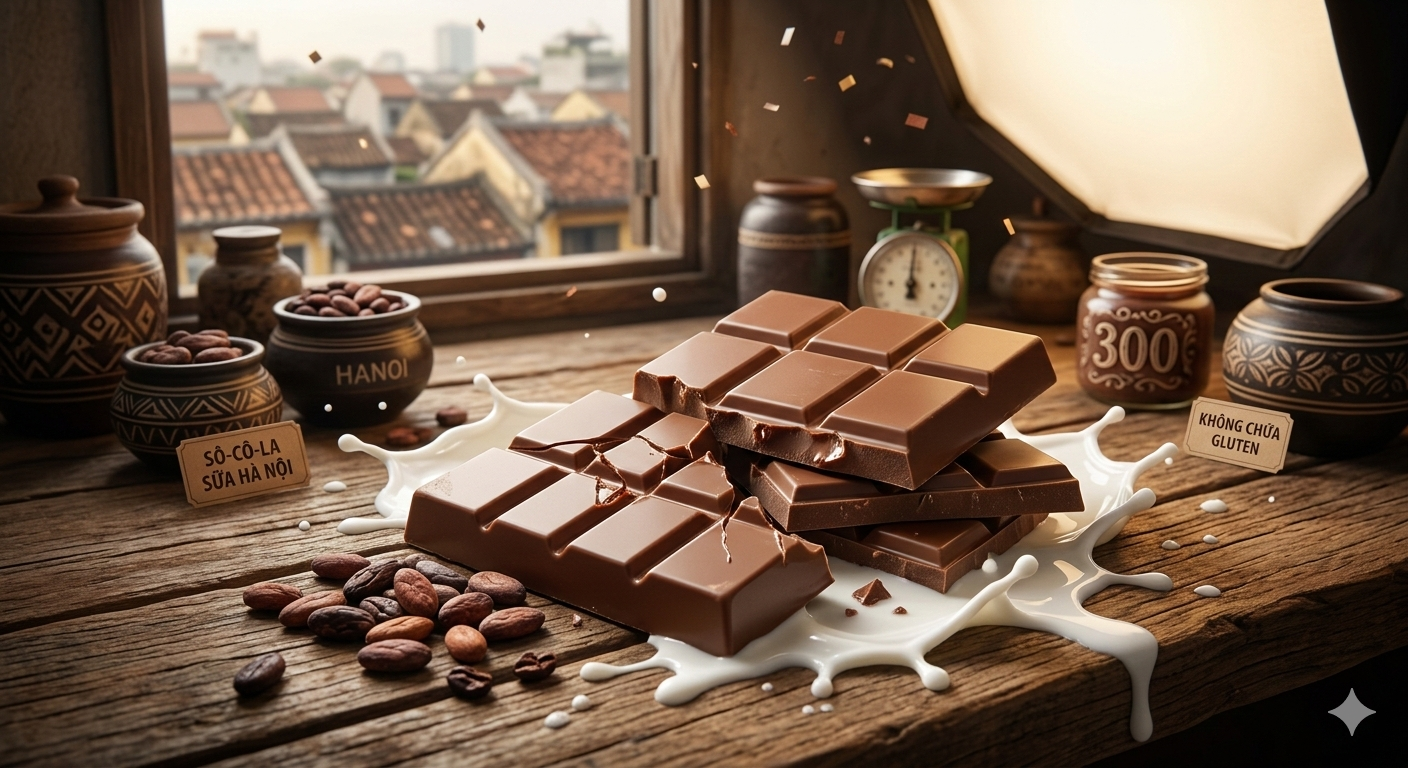
Savoir si le chocolat au lait contient du gluten est crucial pour les personnes atteintes de la maladie cœliaque, d'une sensibilité au gluten ou celles qui suivent un régime sans gluten. La question de savoir si le chocolat au lait est sans gluten n'a pas de réponse simple par oui ou par non, car les ingrédients et les processus de fabrication varient considérablement entre les marques et les produits. Ce guide complet examine la composition du chocolat au lait, les sources potentielles de gluten, les sélections de marques sûres et comment choisir en toute confiance le chocolat qui répond à vos besoins alimentaires.
Comprendre le gluten dans les produits chocolatés
Le gluten est une protéine naturellement présente dans le blé, l'orge, le seigle et le triticale. Le chocolat pur fabriqué à partir de fèves de cacao, de beurre de cacao et de sucre ne contient absolument pas de gluten. Cependant, le chocolat au lait contient des ingrédients supplémentaires au-delà des composants de base du chocolat qui peuvent introduire du gluten dans le produit final. La complexité ne vient pas du chocolat lui-même, mais des additifs, des arômes et de la contamination croisée pendant la fabrication.
Ingrédients du chocolat au lait pur
Le chocolat au lait traditionnel contient des solides de cacao, du beurre de cacao, du lait en poudre ou du lait concentré, du sucre et de la lécithine comme émulsifiant. Aucun de ces ingrédients de base ne contient naturellement de gluten. Le chocolat au lait de qualité provenant de marques réputées utilise des listes d'ingrédients simples axées sur la saveur du chocolat sans additifs inutiles. Lorsque les fabricants s'en tiennent à ces composants de base, le chocolat au lait qui en résulte est intrinsèquement sans gluten.
La teneur en cacao du chocolat au lait varie généralement de vingt-cinq à quarante pour cent, le reste étant composé de solides de lait, de sucre et de beurre de cacao. Comprendre les pourcentages de chocolat vous aide à choisir des options de meilleure qualité qui sont moins susceptibles de contenir des additifs problématiques pouvant contenir du gluten.
Sources courantes de gluten dans le chocolat au lait
Le gluten entre dans le chocolat au lait par plusieurs voies que les consommateurs doivent comprendre pour faire des choix sûrs. Les variétés aromatisées présentent le risque le plus élevé, car des ingrédients tels que des morceaux de biscuits, des bretzels, des couches de gaufrettes ou des arômes de malt contiennent du gluten. De nombreuses barres chocolatées populaires incorporent ces composants contenant du gluten, ce qui les rend inadaptées aux régimes sans gluten.
L'extrait de malt d'orge ou l'arôme de malt apparaît dans certaines formulations de chocolat au lait comme édulcorant ou exhausteur de goût. Cet ingrédient est dérivé de l'orge et contient des protéines de gluten qui peuvent déclencher des réactions chez les personnes sensibles. Lisez toujours attentivement les étiquettes des ingrédients, car le malt peut se cacher sous divers noms, notamment le sirop de malt, la farine d'orge maltée ou simplement le malt.
Les installations de fabrication qui transforment des produits sans gluten et des produits contenant du gluten créent des risques de contamination croisée. Les équipements partagés, les lignes de production ou les zones de stockage peuvent transférer des traces de gluten à un chocolat autrement pur. Pour les personnes atteintes de la maladie cœliaque qui réagissent même à de minuscules quantités de gluten, cette contamination croisée représente une préoccupation sérieuse nécessitant des installations dédiées sans gluten.
|
Source de gluten |
Niveau de risque |
Produits courants |
Ce qu'il faut rechercher |
|
Morceaux de biscuits/gaufrettes |
Élevé |
Barres chocolatées, chocolats fourrés |
Morceaux visibles, vérifier la liste des ingrédients |
|
Arôme de malt |
Élevé |
Certains chocolats au lait, variétés maltées |
"Malt", "malt d'orge" sur l'étiquette |
|
Contamination croisée |
Modéré |
Chocolats produits en masse |
Mentions "peut contenir" |
|
Arômes naturels |
Faible |
Divers produits |
Contacter le fabricant pour clarification |
|
Chocolat au lait pur |
Aucun |
Tablettes de chocolat au lait nature |
Liste d'ingrédients simple |
Comment identifier le chocolat au lait sans gluten
La lecture attentive des étiquettes constitue votre première ligne de défense pour déterminer si le chocolat au lait est sans danger pour les régimes sans gluten. Recherchez une certification explicite sans gluten auprès d'organisations reconnues comme la Gluten-Free Certification Organization (GFCO) ou des organismes similaires. Ces certifications indiquent des tests rigoureux et une conformité à des normes strictes sans gluten, exigeant généralement que les produits contiennent moins de dix parties par million de gluten.
Décrypter les étiquettes de chocolat
Les listes d'ingrédients apparaissent par ordre décroissant de poids, les ingrédients les plus prévalents étant énumérés en premier. Le chocolat au lait pur doit indiquer la masse de cacao ou la liqueur de chocolat, le beurre de cacao, le sucre, le lait en poudre et la lécithine sans additifs préoccupants. Évitez les produits listant la farine de blé, le malt d'orge, l'extrait de malt ou les ingrédients marqués de notes entre parenthèses comme "contient du blé" ou "fabriqué à partir d'orge".
Les déclarations de fabrication fournissent des informations cruciales sur les risques de contamination croisée. Des expressions telles que "fabriqué dans une installation qui traite également le blé" indiquent une exposition potentielle même si les ingrédients sont sans gluten. Pour les personnes très sensibles qui réagissent à la moindre quantité de gluten, ces avertissements sont très importants. Choisissez des produits provenant d'installations dédiées sans gluten lorsque cela est possible afin de minimiser les risques de contamination croisée.
Les arômes naturels et artificiels nécessitent un examen minutieux, car ces termes génériques peuvent masquer des ingrédients contenant du gluten. Bien que les réglementations exigent la divulgation des principaux allergènes, y compris le blé, l'orge et le seigle ne sont pas toujours clairement identifiés. En cas de doute, contactez directement les fabricants pour vous renseigner sur la teneur en gluten de leurs systèmes d'aromatisation.
Marques et options de chocolat au lait sans gluten
Plusieurs fabricants de chocolat proposent des options de chocolat au lait sans gluten fiables grâce à une sélection rigoureuse des ingrédients et à des pratiques de production dédiées. Les chocolatiers européens haut de gamme maintiennent souvent des normes plus élevées en matière de pureté des ingrédients et d'isolement de la production, ce qui rend leurs produits plus sûrs pour les consommateurs sensibles au gluten.
Chocolat professionnel pour la pâtisserie
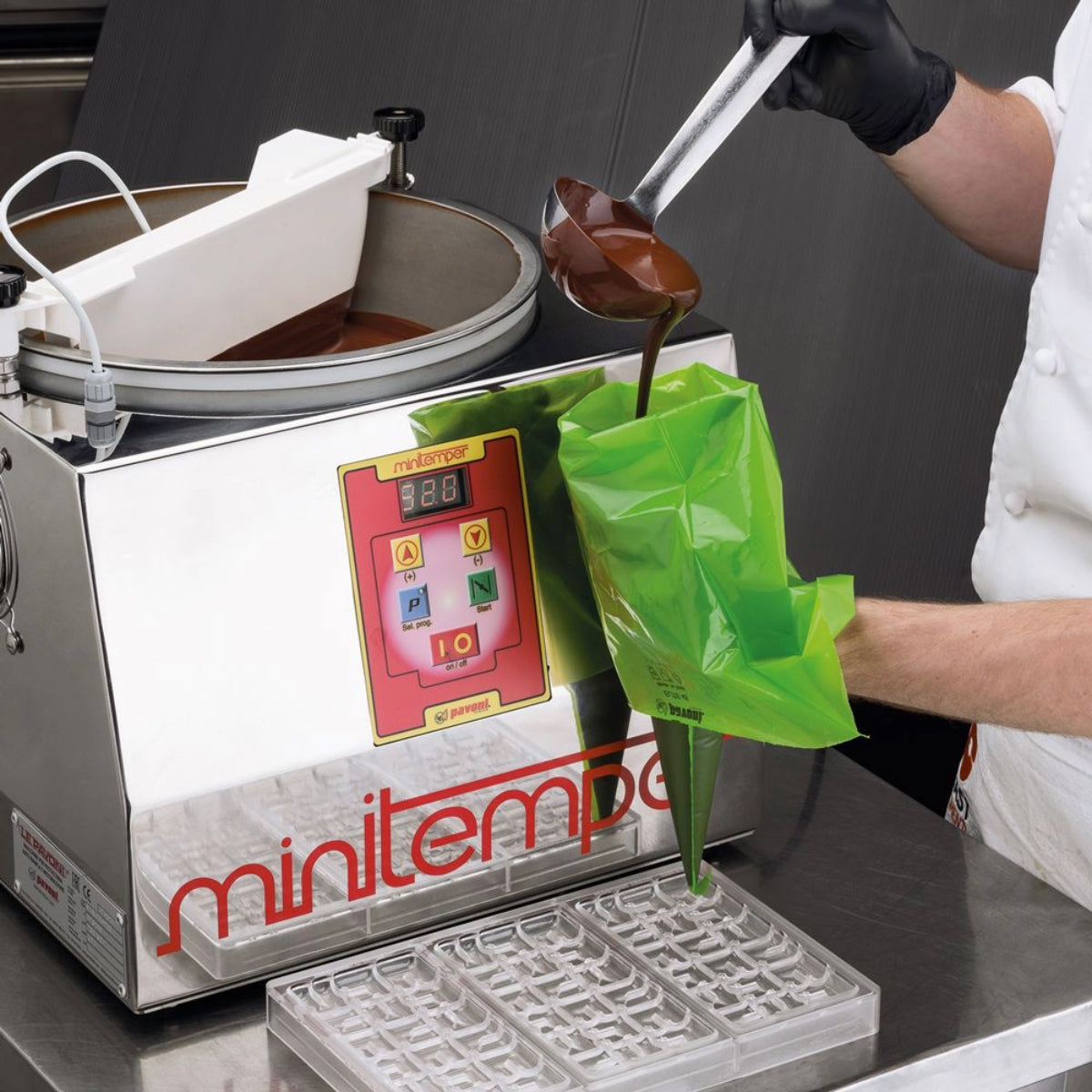
Lors de l'utilisation de chocolat au lait pour la pâtisserie ou la confiserie, le choix d'options de qualité professionnelle garantit à la fois la qualité et la sécurité. Le chocolat Callebaut produit des callets de chocolat au lait spécialement conçus pour le tempérage et le moulage qui ne contiennent aucun ingrédient à base de gluten. Ces produits professionnels conservent des formulations simples axées sur la saveur pure du chocolat sans additifs inutiles.
Le chocolat de pâtisserie de qualité provenant de fabricants réputés privilégie la pureté des ingrédients et des résultats constants. Pour les pâtissiers amateurs qui travaillent avec des moules à chocolat ou qui créent des confiseries personnalisées, le choix d'un chocolat certifié sans gluten empêche la contamination croisée dans votre cuisine. Parcourez les collections de chocolat professionnel pour des options sûres et de haute qualité adaptées à tous les besoins alimentaires.
Fabriquer son propre chocolat au lait sans gluten
Créer son propre chocolat au lait maison vous donne un contrôle total sur les ingrédients et élimine les problèmes de contamination croisée. Commencez par du beurre de cacao pur, du cacao en poudre, du lait en poudre et du sucre, tous des ingrédients naturellement sans gluten. Comprendre l'équipement de fabrication de chocolat vous aide à sélectionner les outils appropriés pour une production en petite quantité à la maison.
Faites fondre le beurre de cacao au bain-marie, puis incorporez le cacao en poudre, le lait en poudre et le sucre jusqu'à obtenir une consistance lisse. Le mélange nécessite un mélange minutieux pour obtenir la consistance crémeuse caractéristique du chocolat au lait de qualité. Versez dans des moules en silicone et laissez prendre à température ambiante. Cette approche maison garantit des résultats sans gluten tout en vous permettant de personnaliser la douceur et l'intensité de la saveur.

Risques de contamination croisée dans la fabrication du chocolat
Les environnements de fabrication influencent considérablement la question de savoir si le chocolat au lait reste vraiment sans gluten malgré des ingrédients sûrs. Les grandes usines de chocolat produisent souvent plusieurs gammes de produits, y compris des biscuits, des gaufrettes et d'autres produits de boulangerie contenant de la farine de blé. Les particules de farine en suspension dans l'air se déposent sur les équipements, les tapis roulants et les matériaux d'emballage, contaminant un chocolat autrement pur.
Comprendre les déclarations du fabricant
Les mentions d'avertissement telles que "peut contenir du blé" ou "traité dans une installation qui manipule du gluten" ne sont pas légalement obligatoires, mais les fabricants les incluent pour limiter leur responsabilité. Ces avertissements indiquent un potentiel réel de contamination croisée qui varie selon les pratiques de l'établissement. Certains fabricants maintiennent des lignes de production séparées pour les produits sans gluten, tandis que d'autres nettoient simplement l'équipement entre les cycles – une pratique qui peut ne pas éliminer toutes les traces.
Pour les personnes atteintes de la maladie cœliaque qui présentent des symptômes même à partir de cinq à dix parties par million de gluten, ces mentions d'avertissement signalent des produits à éviter. Celles qui présentent une sensibilité au gluten plus légère pourraient tolérer des traces de contamination croisée, faisant de l'évaluation des risques une décision personnelle basée sur les niveaux de tolérance individuels.
Normes de test et de certification
La certification sans gluten par une tierce partie offre le plus haut niveau de confiance aux consommateurs ayant besoin d'un évitement strict du gluten. La Gluten-Free Certification Organization exige que les produits soient testés à moins de dix parties par million de manière constante, avec des inspections régulières des installations garantissant une conformité continue. Cette norme est plus stricte que les réglementations de la FDA, qui autorisent les produits étiquetés sans gluten à contenir jusqu'à vingt parties par million.
Interpréter les symboles de certification
Recherchez les symboles de certification reconnus sur l'emballage, y compris le cercle avec coche de la GFCO, le symbole de l'épi barré de Coeliac UK, ou des marques similaires d'organisations nationales de la maladie cœliaque. Ces symboles indiquent des tests complets et une vérification des installations au-delà d'un simple examen des ingrédients. Les fabricants qui investissent dans la certification démontrent leur engagement à servir les consommateurs sans gluten en toute sécurité.
Les produits sans certification ne sont pas nécessairement dangereux, mais ils manquent de vérification indépendante de leur statut sans gluten. La lecture attentive des listes d'ingrédients et le contact avec les fabricants concernant les pratiques de production deviennent essentiels en l'absence de certification. De nombreux chocolatiers artisans produisant en petites quantités fabriquent des produits naturellement sans gluten sans certification formelle en raison des coûts des tests.
Chocolat au lait vs autres types de chocolat
La comparaison du risque de gluten entre les différentes variétés de chocolat aide les consommateurs à prendre des décisions éclairées. Le chocolat noir présente généralement un risque de gluten plus faible que le chocolat au lait car il contient globalement moins d'ingrédients. Le chocolat noir pur se compose uniquement de liqueur de chocolat, de beurre de cacao et de sucre – sans solides de lait ni ingrédients supplémentaires susceptibles d'introduire du gluten.
Le chocolat blanc présente des considérations similaires à celles du chocolat au lait puisque les deux contiennent du lait en poudre et des additifs similaires. Cependant, le chocolat blanc ne contient pas de liqueur de chocolat ni de solides de cacao, étant principalement composé de beurre de cacao, de lait et de sucre. La liste d'ingrédients simplifiée dans le chocolat blanc de qualité signifie moins d'opportunités d'introduction de gluten.
|
Type de chocolat |
Ingrédients de base |
Niveau de risque de gluten |
Préoccupations courantes |
|
Chocolat noir |
Cacao, beurre de cacao, sucre |
Faible |
Variétés aromatisées, contamination croisée |
|
Chocolat au lait |
Cacao, beurre de cacao, sucre, lait en poudre |
Modéré |
Additifs, arôme de malt, installations partagées |
|
Chocolat blanc |
Beurre de cacao, lait en poudre, sucre |
Modéré |
Additifs, biscuits/gaufrettes dans certaines variétés |
|
Chocolat de couverture |
Huiles végétales, cacao, sucre, lait |
Modéré-Élevé |
Plus d'additifs, d'adjuvants technologiques |
Utilisation sûre du chocolat pour les régimes spéciaux
Les personnes suivant un régime sans gluten pour des raisons médicales doivent aborder la consommation de chocolat de manière stratégique afin d'éviter une exposition involontaire. L'achat de tablettes de chocolat entières plutôt que de morceaux emballés individuellement réduit le risque de contamination croisée due aux équipements d'emballage partagés. Conservez le chocolat sans gluten séparément du chocolat ordinaire pour éviter le contact croisé dans votre cuisine.
Lorsque vous préparez des pâtisseries ou des desserts au chocolat, utilisez des ustensiles et des équipements dédiés aux préparations sans gluten. Même des traces de farine sur une spatule ou dans un bol peuvent contaminer un chocolat autrement sûr. Les outils de pâtisserie professionnels désignés exclusivement pour le travail sans gluten éliminent cette préoccupation dans les opérations de cuisson sérieuses.
Chocolat pour les fêtes et les cadeaux
La sélection de cadeaux chocolatés appropriés pour les personnes atteintes de la maladie cœliaque ou d'une sensibilité au gluten exige un soin particulier. Choisissez des options certifiées sans gluten ou contactez les fabricants pour vérifier les pratiques de production avant d'offrir du chocolat en cadeau. Les moules à chocolat saisonniers vous permettent de créer des chocolats personnalisés à la maison en utilisant du chocolat sans gluten vérifié, garantissant des cadeaux sûrs et attentionnés pour les personnes ayant des restrictions alimentaires.
Fabriquer des chocolats maison témoigne d'une attention aux besoins de santé des destinataires tout en permettant une personnalisation créative. Utilisez des vitrines pour présenter vos créations maison de manière professionnelle, en montrant le soin et l'effort investis dans la création de friandises sûres et délicieuses.

Lire entre les lignes des étiquettes
Les fabricants utilisent divers termes et expressions qui nécessitent une interprétation lors de l'évaluation de la teneur en gluten. La mention "sans gluten" sur les étiquettes signifie que le produit répond aux normes réglementaires, mais vérifiez les normes du pays qui s'appliquent, car elles varient à l'échelle internationale. Les réglementations de la FDA des États-Unis diffèrent des exigences de l'Union européenne, ce qui affecte ce qui est admissible à l'étiquetage sans gluten.
"Pas d'ingrédients à base de gluten" indique que la recette n'inclut pas de blé, d'orge ou de seigle, mais ne traite pas de la contamination croisée pendant la fabrication. Cette distinction est extrêmement importante pour les personnes très sensibles qui réagissent à des traces. L'absence d'ingrédients à base de gluten n'offre pas une protection suffisante pour les personnes atteintes de la maladie cœliaque, à moins que le fabricant ne confirme également qu'aucune contamination croisée ne se produit.
"Fabriqué dans une installation dédiée sans gluten" offre la plus grande assurance pour une consommation sûre. Ces déclarations indiquent que le fabricant exploite des espaces de production séparés pour les produits sans gluten, éliminant les risques d'équipement partagé. Priorisez les produits portant cette désignation lorsque l'évitement absolu du gluten est nécessaire pour des raisons médicales.
Comprendre si le chocolat au lait est sans gluten nécessite une évaluation minutieuse des ingrédients, des pratiques de fabrication et des niveaux de sensibilité individuels. Le chocolat au lait pur fabriqué à partir d'ingrédients de base ne contient naturellement pas de gluten, mais des additifs comme l'arôme de malt et la contamination croisée pendant la production peuvent introduire du gluten dans les produits finis. Lire attentivement les étiquettes, rechercher des certifications tierces et choisir des produits provenant d'installations dédiées sans gluten garantit une consommation de chocolat sûre pour les personnes atteintes de la maladie cœliaque ou de sensibilité au gluten. Pour un contrôle absolu des ingrédients et une tranquillité d'esprit, envisagez de fabriquer votre propre chocolat au lait à la maison en utilisant des outils professionnels et des ingrédients purs de Zucchero Canada, où qualité et sécurité se rencontrent pour répondre à tous vos besoins en matière de fabrication de chocolat.
Références :
Celiac Disease Foundation. (2024). Gluten-free diet guide. Celiac Disease Foundation.
FDA. (2023). Gluten-free labeling of foods. U.S. Food and Drug Administration.
Gluten-Free Certification Organization. (2024). GFCO certification standards. GFCO.
Thompson, T. (2023). Gluten contamination in the food supply. Journal of the Academy of Nutrition and Dietetics, 123(4), 612-625.








Laisser un commentaire
Tous les commentaires sont modérés avant d'être publiés.
Ce site est protégé par hCaptcha, et la Politique de confidentialité et les Conditions de service de hCaptcha s’appliquent.